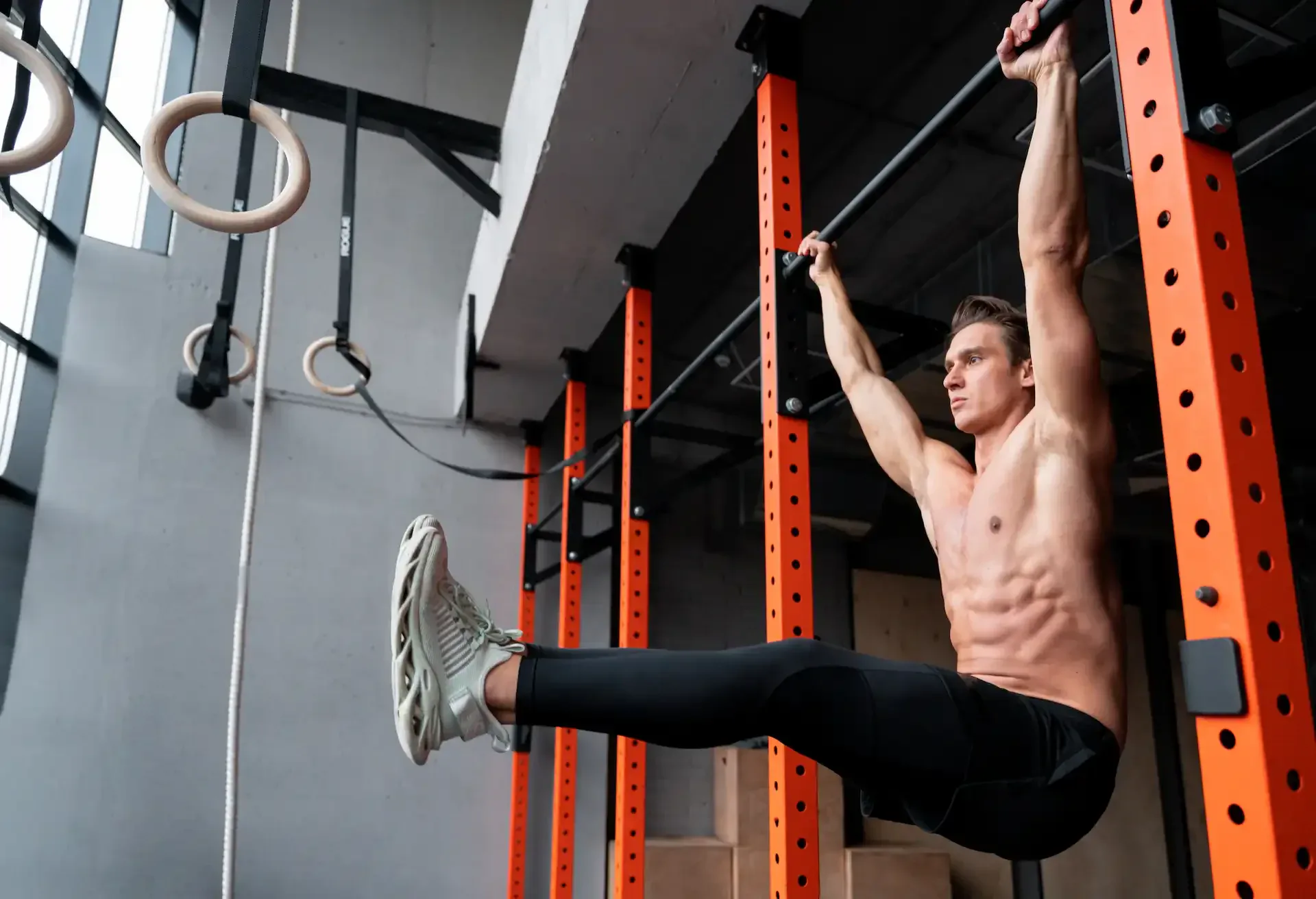
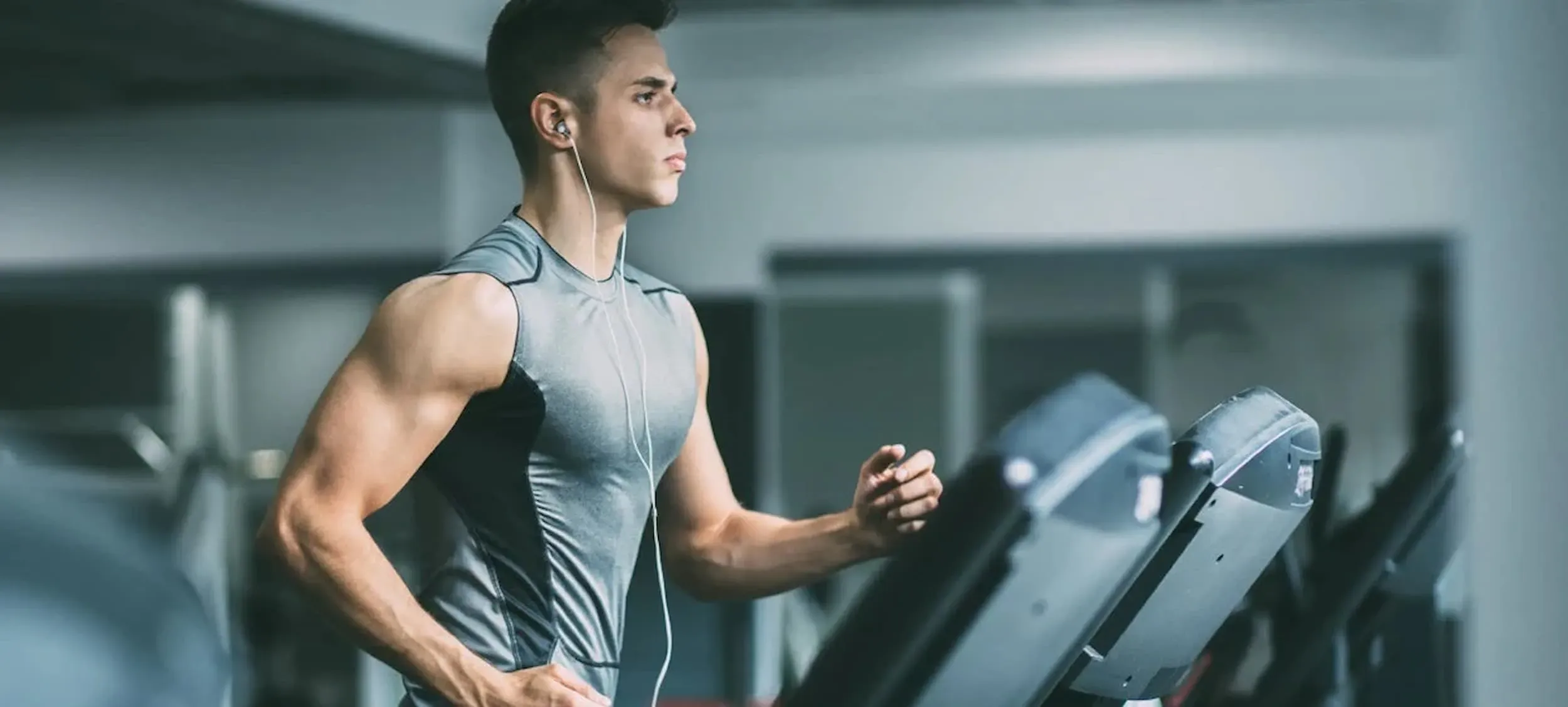
How to Choose the Right Workout Socks for Exercise
Find the perfect athletic socks. Learn about materials, tech & styles that prevent blisters and boost performance.
Ever stopped to think about how the wrong sock can totally mess up your workout? Poor sock choice causes blisters, discomfort, and can even lead to injuries that sideline you for weeks.
Studies show that 78% of runners have dealt with blisters caused by inadequate socks, and many don't even realize their socks were the culprit.
In this complete guide, you'll discover exactly how to choose the perfect sock for every type of exercise. I'll show you which materials actually work, what sock height to use, and how to avoid the most common mistakes that cost you comfort and performance.


Summary
- Why the Right Sock Makes a Real Difference
- Materials: Polyamide vs Cotton and Other Fibers
- Sock Height: Which to Choose For Your Exercise
- Compression Technology: When It's Worth It
- Running Socks: Essential Features
- Gym and Weight Training Socks
- How to Choose the Correct Size
- Care Tips That Extend Sock Life
- Frequently Asked Questions
- Conclusion
Why the Right Sock Makes a Real Difference
Too many people overlook sock choice and then complain about discomfort during workouts. The truth is, your feet are the foundation of any movement—a small problem there compromises your entire performance.
An inadequate sock doesn't just feel uncomfortable. It can cause painful blisters that keep you from training for days, increase risk of fungal infections from moisture buildup, and even contribute to injuries from lack of stability inside your shoes.
Problems You Avoid With the Right Sock
The right choice goes way beyond basic comfort. It directly impacts your health and performance:
Blister and callus prevention: Exercise-specific socks reduce friction between foot and footwear by up to 60%. This happens because technical materials transfer the sliding motion between sock and shoe, protecting your skin.
Temperature control: Feet that sweat excessively create the perfect environment for fungi. Quality socks maintain ideal temperature through strategic ventilation and rapid sweat evaporation.
Enhanced stability: The correct fit prevents your foot from sliding inside the shoe during quick movements. This improves balance and reduces chance of ankle rolls by 40%.
Faster recovery: Models with light compression promote blood circulation and reduce lactic acid buildup. Your muscles recover better between workouts.
The difference between regular socks and quality athletic socks might seem subtle in the store, but becomes obvious after 30 minutes of intense training. Once you try them, you'll rarely go back to casual socks.
Materials: Polyamide vs Cotton and Other Fibers
Sock material is the most important factor in your choice. It determines how much you'll sweat, whether you'll get blisters, and how long the product will last.
Why Cotton Doesn't Work For Exercise
Many people wear regular cotton socks out of habit. The problem is cotton is hydrophilic—it absorbs sweat and keeps moisture in direct contact with your skin.
Cotton is naturally soft and comfortable for everyday wear, but synthetic materials like polyester and nylon outperform natural fabrics when it comes to moisture-wicking, quick drying, and odor resistance.
This softens your skin and multiplies friction. The result is predictable: painful blisters that appear after 20-30 minutes of intense activity. Plus, cotton socks take hours to dry completely.
If you work out in the morning, that cotton sock will still be damp in the afternoon. This creates the ideal environment for bacteria that cause bad odor and fungal infections.
Polyamide: The Ideal Material For Exercise
Polyamide (also called nylon) is a hydrophobic synthetic fiber that revolutionized the athletic apparel market. Unlike cotton, it doesn't absorb moisture—it transports sweat to the sock's outer layer where it evaporates quickly.
How it works in practice: During your workout, feet release up to 7 ounces of sweat. Polyamide captures this moisture and conducts it through microchannels in the fiber to the outer surface. There, air circulating inside the shoe evaporates this liquid in seconds.
Your feet stay dry even during hour-long runs or intense weight training sessions. This constant dryness drastically reduces blister risk and keeps your feet at a comfortable temperature.
Proven advantages:
- Drying up to 5 times faster than cotton
- Soft touch and comfort even after multiple washes
- Superior resistance to tears and friction wear
- Extreme lightness you barely feel on your foot
- Durability of 6 to 12 months with regular use
If you're serious about your gym workouts for muscle gain, investing in quality polyamide socks should be a priority.
The Importance of Elastane in the Composition
You'll find most athletic socks with a composition of 95-97% polyamide and 3-5% elastane (also known as spandex or Lycra). This small percentage of elastane makes all the difference.
Materials like polyester, nylon, and spandex are lightweight and flexible, providing stretch that allows socks to keep their shape.
Elastane ensures the sock fits perfectly to your foot's anatomical shape. It stays snug without squeezing, following each movement without sliding down to your heel or forming wrinkles.
Ideal proportions by activity:
- 97% polyamide + 3% elastane: Maximum lightness for running
- 95% polyamide + 5% elastane: More elasticity for functional training
- 93% polyamide + 7% elastane: Light compression for recovery
Socks with less than 2% elastane tend to slip during intense exercise. Those with more than 8% can squeeze too tight, affecting blood circulation.
Material | Absorption | Drying | Durability | Ideal For |
|---|---|---|---|---|
100% Cotton | High | Slow (3-4hr) | Low | Casual use |
Polyamide + Elastane | Low | Fast (30min) | High | All exercises |
Polyester + Elastane | Low | Medium (1hr) | High | Budget option |
Merino Wool | Medium | Slow (2-3hr) | Medium | Cold weather |
You can find excellent supplements to boost your workout performance, and the right socks are just as important for training success.

Sock Height: Which to Choose For Your Exercise
Sock height directly impacts ventilation, protection, and style. Each activity benefits from a specific length.
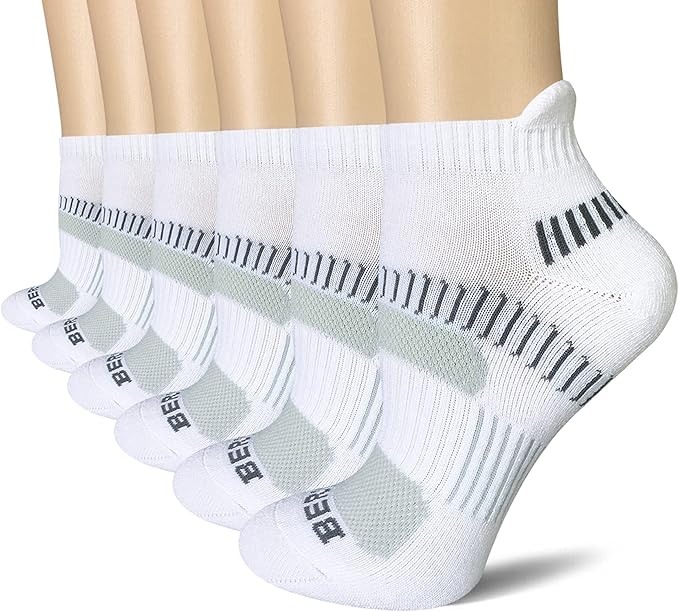
No-Show: Discreet and Maximum Ventilation
No-show socks barely peek above your shoes. They're the right choice when you prioritize ventilation and want a more discreet look.
Work best for: Gym training in air-conditioned environments, light walks, and short runs on hot days. The greater ankle exposure allows superior air circulation.
Necessary precautions: Check that the elastic at the edge is strong enough. Cheap models tend to slip inside the shoe during intense movements, creating discomfort.
Ankle: Balance Between Protection and Ventilation
Ankle socks just cover your ankles. They represent the perfect balance for most physical activities.
Ideal for: Weight training, functional workouts, runs up to 6 miles, and CrossFit exercises. They offer adequate protection against friction from the shoe collar without overheating.
The extra height protects the Achilles tendon against irritation caused by repetitive rubbing with footwear. If you regularly practice weight training exercises, this is your model.
Crew: Additional Protection
Crew-length socks rise to mid-calf. This extra height brings specific benefits for certain activities.
When to use: Court sports like volleyball and basketball, moderate to high-impact training, and cooler days. The additional coverage reduces risk of scrapes and offers a slight compression sensation many athletes appreciate.
Knee-High: For Compression and Cold Weather
Knee-high socks are mainly used for two reasons: therapeutic compression or thermal protection in cold climates.
Specific applications: Long runs over 10 miles where compression helps with muscle fatigue, winter sports, and post-workout recovery. For everyday gym use, they're usually too warm.
The right choice varies according to your personal comfort and type of exercise. Try different heights to discover what works best for you.
Compression Technology: When It's Worth It
Compression socks have gained popularity among athletes, but do you really need them? The answer depends on your training type and intensity.
How Compression Works
Compression socks apply graduated pressure on the legs. The pressure is strongest at the ankle and progressively decreases toward the calf. This helps venous blood return to the heart more efficiently.
Research shows compression socks provide significant and meaningful improvement in recovery variables 24-48 hours following maximal exercise, with values 34.6-42.3% better at 24 hours and 40.3-61.4% better at 48 hours compared to regular socks.
Scientifically proven benefits:
- Reduction of muscle vibration during runs by up to 30%
- Improved muscle oxygenation in prolonged exercise
- Decreased lactic acid accumulation post-workout
- Muscle recovery up to 24 hours faster
These benefits are real but appear mainly in activities over 40 minutes of continuous duration.
When Compression Really Helps
Compression makes a noticeable difference in specific situations. If you fit any of these profiles, it's worth considering:
Long-distance runners: Races over 6 miles benefit from reduced muscle fatigue. Compression minimizes repetitive impact on muscle fibers.
Triathletes: The combination of swimming, cycling, and running overloads the legs. Compression during and after training accelerates recovery.
People with poor circulation history: If you easily feel tired legs or have varicose veins, compression offers valuable circulatory support during exercise.
High-volume training: If you train 5 or more times per week, recovery between sessions becomes more important. Using compression socks in the first 2 hours post-workout helps.
For those interested in optimizing recovery, check out quality melatonin supplements to improve sleep quality—another crucial recovery factor.
When Compression Is Unnecessary
For traditional 45-60 minute gym workouts, regular polyamide socks are more than sufficient. Compression won't improve your performance in weight training sets or spinning classes.
Light walks and runs up to 3 miles also don't justify the extra investment. In these cases, comfort and breathability matter more than compression.
Running Socks: Essential Features
Running is the sport that demands the most from socks. Each stride generates repetitive impact and friction that can cause blisters within minutes with the wrong sock.
Reinforcement in High-Impact Areas
Running-specific socks have strategic reinforcement in three critical zones: heel, toe, and ball of foot. These points receive the greatest pressure during running.
The reinforcement is made with denser thread weave or an extra layer of terry cloth. This better distributes impact and reduces premature sock wear. A good running sock lasts 3 times longer than a regular one.
Flat or Seamless Seams
The characteristic that most prevents blisters is the absence of protruding seams. Quality socks use seamless technology or imperceptible flat seams.
Athletic socks with seamless toe construction and blister tabs can truly change your running experience, with many runners reporting zero blisters across thousands of training miles.
Check especially the toe area. Thick seams there are the main cause of blisters between toes and at the tip of the foot. If you feel any ridge when running your finger over the seam, skip that model.
Strategic Ventilation
Your feet release a lot of sweat during runs. Technical socks have increased ventilation zones on the top of the foot, where perspiration is most intense.
This is done through more open weave or micro-perforations in the fabric. The result is immediate heat evacuation and feet that stay at ideal temperature even in summer runs.
Specific Anatomical Fit
Notice that good running socks are sold with right and left markings. They follow each foot's anatomical shape, offering a perfect fit.
The anatomical heel fits precisely, preventing the sock from rotating inside the shoe. The elastic band on the top of the foot keeps everything in place without squeezing. This millimeter-precise fit is what separates a good sock from an exceptional one.
For those looking to improve performance through nutrition, the right sock is equally important.
Gym and Weight Training Socks
Gym training has different requirements from running. You need stability, protection, and comfort in multidirectional movements.
Cushioning on the Ball of the Foot
Exercises like squats, deadlifts, and jumps generate intense vertical pressure. Socks with extra terry cloth on the ball of the foot absorb part of this impact.
This not only increases comfort but also protects joints long-term. The toweled layer works like a mini shock absorber between your foot and the shoe insole.
Ideal for: Leg workouts, plyometric exercises, and jump classes. If you do gym exercises to lose weight that include lots of jumping, this cushioning makes a difference.
Lateral Stability
Weight training involves sudden direction changes and lateral movements. Gym socks have reinforced elastic band in the midfoot that offers additional support to the plantar arch.
This extra stability prevents the foot from rolling excessively inward or outward during unilateral exercises like lunges and split squats. It improves your balance and reduces risk of ankle rolls.
Versatility of Use
The great advantage of gym socks is they work for practically any indoor activity. You can use the same sock for functional training, spinning, or traditional weight training.
Look for models with ankle to crew height in polyamide that offer good fit without excessive compression. They'll meet 90% of your training needs.
Pair your workout routine with a quality thermal bottle to stay properly hydrated throughout your session.
Feature | Running | Gym | CrossFit |
|---|---|---|---|
Ideal height | Ankle/Crew | Ankle/No-show | Crew |
Cushioning | Heel + Toe | Ball of foot | Full |
Compression | Recommended (>6mi) | Optional | Light |
Priority | Anti-blister | Stability | Durability |
How to Choose the Correct Size
Wrong size negates all the benefits of a quality sock. A sock that's too large forms wrinkles that cause blisters. Too tight affects circulation and creates discomfort.
Standard Size Chart
Most brands follow similar sizing. The most common sizes are:
- S (Small): US 5-7
- M (Medium): US 8-10
- L (Large): US 11-13
- XL (Extra Large): US 14-16
Some brands offer intermediate sizes or divide by gender. Always check the specific manufacturer's chart before buying.

Pro Tip: Consider Foot Swelling
Your feet swell during intense exercise. This is a completely normal phenomenon caused by increased blood flow and fluid accumulation.
In long runs or workouts over 60 minutes, swelling can reach half a size, which is why many athletes prefer socks one size larger than they would wear daily.
Simple test: If the sock leaves deep marks on your ankle after 30 minutes of use, it's too tight. Switch to a larger size.
Fit in Critical Areas
A correctly sized sock should:
- Hug the heel without gaps
- Stay in place without squeezing the ankle
- Completely cover the ball of the foot without excess fabric at the toe
- Allow free movement of toes
If you feel any point of excessive pressure or areas where the sock is loose, the size isn't ideal for you. It's worth trying another brand with different fit.
Consider pairing your new socks with appropriate workout clothes for complete comfort during training.
Care Tips That Extend Sock Life
Quality athletic socks cost more than regular socks. With proper care, they last 12 months or more maintaining all technical properties.
Proper Washing
Wash your socks after each use. The accumulation of sweat and bacteria degrades fibers and causes permanent bad odor that won't come out even with subsequent washings.
Correct procedure:
- Turn socks inside out before washing
- Use cold or warm water, never hot above 104°F
- Prefer mild soap or gentle detergent
- Avoid bleach that damages synthetic fibers
- Put inside delicates bag in the machine
Proper Drying
How you dry socks directly influences durability.
- Avoid electric dryer, as excessive heat breaks elastic fibers
- Don't wring forcefully
- Dry in shade and well-ventilated location
- Never iron
These simple precautions preserve elasticity, compression, and sweat absorption capacity.
For more comprehensive health and fitness guidance, explore our complete vitamins guide to optimize your nutrition.
Frequently Asked Questions
Can I use regular socks for training?
You can, but it's not ideal. Regular socks retain more sweat, increase friction, and promote blisters, bad odor, and even fungal infections.
Are compression socks mandatory?
No. They're useful for long runs, muscle recovery, and people who spend a lot of time on their feet. For short workouts, they're not essential.
How many pairs of athletic socks should I have?
Ideally have at least 3 to 5 pairs to rotate during the week, avoiding using socks still damp with sweat.
Thin or thick sock: which to choose?
Depends on the exercise and footwear. For running, thinner technical socks reduce friction. For weight training, medium socks offer more comfort and protection.
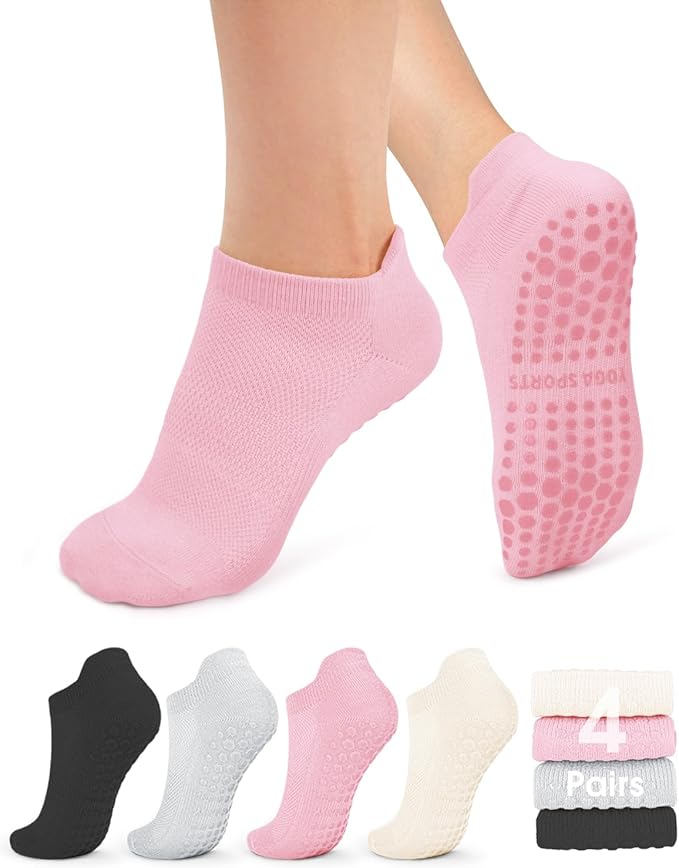
Are non-slip socks worth it?
Yes, especially for functional training, Pilates, yoga, and barefoot or minimal footwear exercises.
To complement your fitness journey, check out helpful resources on sleep importance for proper recovery.

Conclusion
Choosing the right socks for physical exercise goes way beyond aesthetics. Adequate material, good fit, correct height, and technologies like compression make a real difference in comfort, performance, and injury prevention.
Investing in good athletic socks is investing in safer, more hygienic, and more efficient training. At the end of the day, comfort in your feet reflects in better performance throughout your entire body.
Whether you're into cardio exercises, strength training, or HIIT workouts, the right socks are a fundamental piece of your training gear that deserves careful consideration.