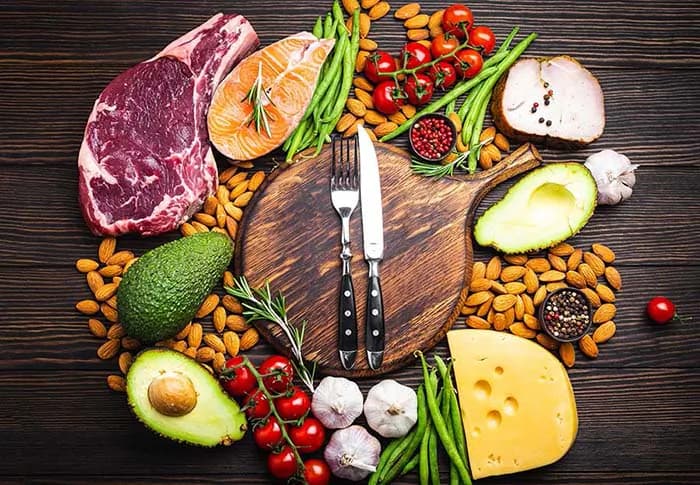
HIIT Training: Lose Weight & Get Fit in Just 15 Minutes
Learn how HIIT training can transform your body in 15-30 minutes a day. Burn fat for up to 24 hours after your workout.
Ever felt frustrated spending hours at the gym without seeing results on the scale? The good news is there's a scientifically proven method that burns more fat in just 15 minutes than 60 minutes of traditional cardio.
HIIT training (High Intensity Interval Training) has revolutionized the fitness world in recent years. And for good reason: studies show this method can improve your cardiovascular fitness and help with fat loss in shorter sessions compared to traditional moderate-intensity exercise.
In this complete guide, you'll discover exactly how HIIT training works, the best protocols for beginners and advanced practitioners, and how to structure your sessions to lose weight and gain conditioning without losing muscle mass. Get ready to transform your body while spending less time at the gym.
Summary
- What Is HIIT Training and Why It Works
- The Science Behind Fat Burning
- Main HIIT Training Protocols
- HIIT Training for Beginners: How to Start
- Intermediate and Advanced HIIT Training
- The Best Exercises for HIIT
- Fatal Mistakes That Prevent Results
- How to Combine HIIT With Other Workouts
- Frequently Asked Questions
- Conclusion
What Is HIIT Training and Why It Works
HIIT training is a method that alternates short periods of very high-intensity exercise with brief recovery moments. Unlike traditional cardio, where you maintain a constant pace for long periods, HIIT pushes your body to its maximum limit in explosive bursts.
The magic is in the intensity. During peak effort, you work between 80% and 90% of your maximum heart rate. This metabolic stress forces your body to tap into fat stores, not just during the workout, but for hours afterward.
Why HIIT Is So Efficient
When you train at high intensity, your body enters a unique metabolic state. During intense periods, it primarily uses carbohydrates as fuel. But here's the secret: after depleting these reserves, your body continues burning fat for up to 24 hours.
This phenomenon has a name: EPOC (Excess Post-Exercise Oxygen Consumption). EPOC boosts your metabolic rate, helping burn more calories for hours after your workout, with studies suggesting approximately 6 to 15 percent of the total energy used during exercise.
Research published indicates that HIIT is as effective as moderate-intensity continuous training in promoting weight loss despite requiring shorter training sessions, with comparable side effects and dropout rates. In real numbers: if you burned 300 calories during the workout, you'll eliminate an extra 20 to 45 calories "for free" the next day.
Advantages of HIIT over traditional workouts:
- Sessions of just 15-30 minutes are enough for results
- Preserves muscle mass while burning fat
- Improves cardiovascular capacity more quickly
- Speeds up metabolism for an extended period
- Can be done anywhere, with or without equipment
For those with busy schedules, HIIT is the perfect solution. You get superior results investing less than half the time you'd spend at a conventional gym.
If you're looking to optimize your results even further, check out our guide to smartwatches for monitoring heart rate during workouts. You might also want to explore quality supplements to support your training.

The Science Behind Fat Burning in HIIT Training
Understanding how your body burns fat during and after HIIT helps you train smarter and get faster results.
How Metabolism Works During HIIT
When you start high-intensity exercise, your body needs immediate energy. In the first seconds, it uses ATP (adenosine triphosphate) and phosphocreatine stored in muscles. These reserves last only 10-15 seconds.
After that, the anaerobic system kicks in. Your body breaks down glucose without using oxygen, generating fast energy but producing lactic acid. That's why your muscles "burn" during intense sets.
Here's the interesting part: since HIIT alternates intense periods with rest, you force your body to work in both anaerobic and aerobic systems. This alternation creates a "metabolic confusion" that keeps your metabolism revved up for hours.
| Energy System | Duration | Energy Source | Use in HIIT |
|---|---|---|---|
| ATP-CP | 0-10 seconds | Phosphocreatine | Maximum effort peaks |
| Anaerobic | 10-120 seconds | Glucose/Glycogen | Intense periods |
| Aerobic | Above 2 minutes | Fat/Glucose | Recovery periods |
The EPOC Effect: Burning Calories While Resting
The biggest benefit of HIIT happens after the workout. When you stop exercising, your body doesn't immediately return to its resting state. It needs to:
- Replenish oxygen in muscles and blood
- Remove accumulated lactic acid
- Repair muscle micro-tears
- Normalize body temperature
- Restore hormone levels
All these tasks consume energy. Research shows that EPOC is about 7 percent of the calorie expenditure of an exercise session, so if you burn 500 calories during a workout, you'll burn about 35 more calories in the hours following your training.
In practical terms: imagine you burned 350 calories in 25 minutes of HIIT. Over the next 24 hours, your body could burn an additional 25 to 50 calories just recovering. It may seem small, but over a month, that's 750 to 1,500 extra calories eliminated without additional effort.
Why HIIT Preserves Muscle Mass
Unlike long cardio sessions that can lead to muscle loss, HIIT protects your muscles. The high intensity signals to your body that muscle mass is necessary to generate explosive force.
Additionally, HIIT stimulates production of anabolic hormones like testosterone and growth hormone. These hormones aid in recovery and muscle maintenance, even in a calorie deficit. For optimal recovery, consider creatine supplementation to support your muscle gains.
Compare the physique of a marathon runner with a 100-meter sprinter. The sprinter, who does short, intense interval training, maintains much more muscle mass. That's the difference HIIT makes.

Main HIIT Training Protocols
There are several methods to structure a HIIT workout. Each protocol has specific characteristics and adapts to different goals and fitness levels.
Tabata Protocol: 4 Minutes of Maximum Intensity
Tabata is the most famous and intense protocol. Created by Japanese researcher Izumi Tabata in 1996, it was developed to train Olympic speed skating athletes.
Tabata Structure:
- 20 seconds of exercise at 170% VO2 max (maximum intensity)
- 10 seconds of passive rest
- Repeat 8 times
- Total: 4 minutes of pure training
It sounds short, but these 4 minutes are among the most challenging you'll face. Tabata's original study showed this protocol increased anaerobic capacity by 28% and aerobic capacity by 14% in just 6 weeks.
Ideal for: People with good fitness who want to maximize results in minimal time. Not recommended for absolute beginners.
30-30 Protocol: Balance Between Effort and Recovery
This is one of the most popular protocols for those starting out or looking for an intense but sustainable workout.
30-30 Structure:
- 30 seconds of intense exercise (80-85% of maximum capacity)
- 30 seconds of active or passive rest
- Repeat 10-15 times
- Total: 10-15 minutes of training
The 1:1 ratio between effort and recovery allows you to maintain high intensity for longer without compromising technique. It's perfect for sustained fat burning.
Pyramid Protocol: Progressive Variation
The pyramid protocol adds variety to training, preventing adaptation and boredom.
Pyramid Structure:
- Round 1: 20 sec effort / 40 sec rest
- Round 2: 30 sec effort / 30 sec rest
- Round 3: 40 sec effort / 20 sec rest
- Round 4: 30 sec effort / 30 sec rest
- Round 5: 20 sec effort / 40 sec rest
- Repeat cycle 2-3 times
This method is excellent for developing progressive resistance and keeping your brain engaged during training.
| Protocol | Total Duration | Intensity | Best For |
|---|---|---|---|
| Tabata | 4-20 minutes | Maximum | Advanced, quick burn |
| 30-30 | 10-15 minutes | High | Beginners/intermediate |
| Pyramid | 15-25 minutes | Variable | All levels, variety |
| 4x4 | 16-20 minutes | Very High | Cardio conditioning |
4x4 Protocol: Developing Aerobic Endurance
This protocol was developed to specifically improve VO2 max, which is your maximum capacity to consume oxygen during exercise.
4x4 Structure:
- 4 minutes of exercise at 85-95% maximum heart rate
- 3 minutes of active recovery (walking or light movement)
- Repeat 4 times
- Total: 28 minutes
Despite being longer, the 4x4 is extremely effective for developing cardiovascular endurance. Studies show improvements of up to 10% in VO2 max in 8 weeks.
Strategic tip: Choose the protocol based on your main goal. For maximum fat burning in little time, Tabata is unbeatable. For building solid cardiovascular base, the 4x4 is superior. For balance and sustainability, go with the 30-30.

HIIT Training for Beginners: How to Start Without Getting Hurt
If you're sedentary or returning to training after a long time off, jumping straight into Tabata is a recipe for injury and frustration. HIIT requires preparation.
Before Starting: Essential Assessment
Before your first HIIT workout, consider these points:
Consult a doctor if you:
- Are over 40 and sedentary
- Have a history of heart problems
- Are more than 30 pounds over your ideal weight
- Have recent joint or muscle injuries
- Suffer from uncontrolled high blood pressure
HIIT puts significant stress on the cardiovascular system. Better safe than sorry.
Preparation Phase: Weeks 1-2
Before jumping into real HIIT, build a minimum fitness base. For 2 weeks, do:
Preparation workout:
- 3-4 sessions of 20-30 minutes per week
- Brisk walking, light cycling, or swimming
- Moderate intensity (you can talk but with some difficulty)
- Add 5-10 minutes of bodyweight exercises
This prepares your heart, joints, and muscles for what's coming.
Your First HIIT Workout: Beginner Protocol
Start conservative. It's better to find it easy and progress than to get hurt right away.
Structure for beginners:
- Warm-up: 5 minutes of walking or light jumping jacks
- Protocol: 20 seconds of exercise + 40 seconds of rest
- Exercises: 4-5 simple movements
- Rounds: 3-4 complete cycles
- Cool-down: 5 minutes of slow walking and stretching
Recommended exercises for beginners:
- Bodyweight squat
- Wall or knee push-ups
- Jumping jacks
- Stationary high-knee march
- Modified plank (knees supported)
Do each exercise for 20 seconds giving your max, then rest 40 seconds. Repeat the sequence 3-4 times. Total: 12-16 minutes of training.
For nutrition support around your workouts, check out our pre and post-workout nutrition tips. Consider keeping a thermal bottle handy to stay hydrated during intense sessions.

Smart Progression: Weeks 3-8
Don't rush to increase intensity. Progress gradually:
Weeks 3-4: Reduce rest to 35 seconds, keeping 20 seconds of effort.
Weeks 5-6: Go to 25 seconds of effort with 35 seconds of rest. Add 1-2 more exercises to the rotation.
Weeks 7-8: Reach the classic 30-30 protocol. Increase to 5-6 complete cycles.
Signs you can progress:
- You complete all rounds with good technique
- You recover well until next workout (24-48 hours)
- You don't feel excessive joint or muscle pain
- Your heart rate returns to normal within 5-10 minutes after training
Signs you need to slow down:
- Persistent joint pain
- Extreme fatigue lasting more than 48 hours
- Insomnia or excessive irritability
- Loss of appetite or nausea after workouts
Remember: HIIT is cumulative. Results come from consistency, not maximum intensity from day one.

Intermediate and Advanced HIIT Training
When the 30-30 protocol becomes comfortable, it's time to challenge your body in new ways. Intermediate and advanced practitioners need progressively more intense stimuli.
Intermediate Protocol: Intensifying Results
If you've been training consistently for 2-3 months, you can adopt more demanding protocols.
Intermediate HIIT Training - Complete Structure:
Warm-up (5 minutes):
- 2 minutes of light jog
- 1 minute of joint rotation
- 2 minutes of dynamic exercises (jumping jacks, walking lunges)
Main Part (20 minutes):
- 30-30 protocol with 6 exercises
- 5 complete rounds
- Alternating between upper body, lower body, and core
Exercise sequence:
- Full burpees (30 sec)
- Active rest - walking in place (30 sec)
- Mountain climbers (30 sec)
- Active rest (30 sec)
- Jump squats (30 sec)
- Active rest (30 sec)
- Push-ups (30 sec)
- Active rest (30 sec)
- Sprint in place (30 sec)
- Active rest (30 sec)
- Plank with shoulder taps (30 sec)
- Complete rest (60 sec)
Repeat the circuit 5 times.
Cool-down (5 minutes):
- Progressively slower walking
- Static stretches for major muscle groups
Advanced HIIT Training: Modified Tabata
For experienced athletes or those who've mastered the intermediate level, modified Tabata offers maximum challenge.
Advanced Tabata Structure:
- 8 different exercises
- 20 seconds each at maximum intensity
- 10 seconds of transition/rest
- 4 rounds of the complete circuit
- Total: approximately 24 minutes
Elite Tabata Circuit:
- Burpees with push-up
- Jump squats
- Accelerated mountain climbers
- Explosive push-ups (clap)
- Sprints in place
- Plank with jump (feet together/apart)
- Alternating lunge with jump
- Spider climbers
Perform each movement for 20 seconds at maximum speed and technique. Rest only 10 seconds between exercises. After completing the 8 movements, rest 1 minute and repeat 3 more times.
This workout is no joke. You should reach 85-95% of your maximum heart rate. If you're not sweating profusely and breathless, it's not true Tabata.
HIIT With Equipment: Raising the Challenge
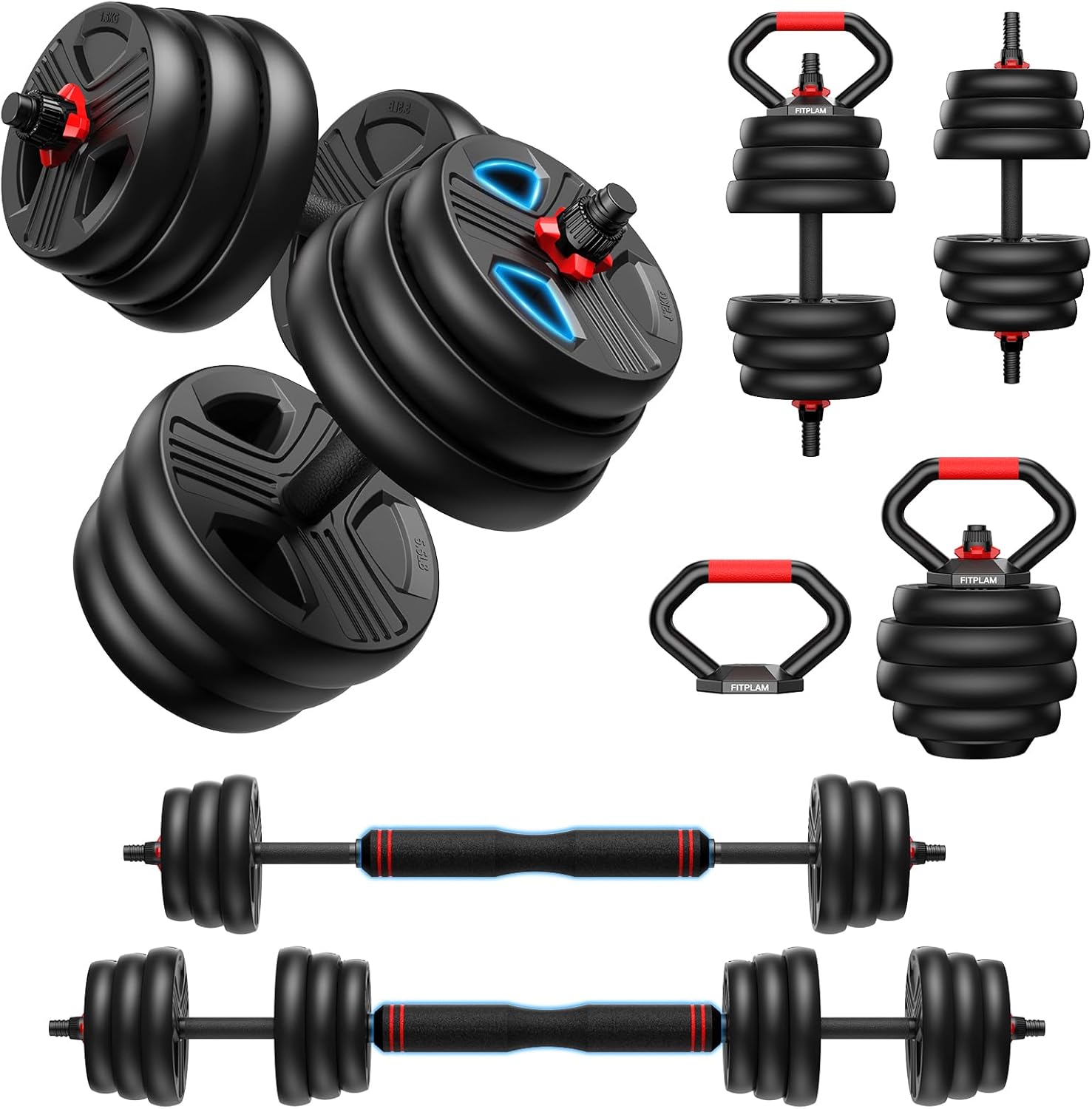
Adding equipment can intensify your results even further.
Equipment options:
- Kettlebell: swings, snatch, clean and press
- Jump rope: maximum speed sprints
- Medicine ball: slams, wall balls, Russian twists
- Dumbbells: thrusters, renegade rows, man makers
- Pull-up bar: pull-ups, muscle-ups for very advanced
Example of kettlebell HIIT (advanced level):
- 40 sec: Kettlebell swings
- 20 sec: rest
- 40 sec: Goblet squats
- 20 sec: rest
- 40 sec: Alternating kettlebell press
- 20 sec: rest
- 40 sec: Alternating kettlebell snatch
- 60 sec: complete rest
Repeat 5-6 rounds.
Periodization: Avoiding Plateaus and Overtraining
Even advanced athletes shouldn't do maximum HIIT all the time. Your body needs variation.
Weekly periodization model:
- Monday: Tabata HIIT (20 min)
- Tuesday: Traditional strength training or active rest
- Wednesday: Moderate 30-30 HIIT (15 min)
- Thursday: Strength training or yoga
- Friday: Long 4x4 HIIT (30 min)
- Saturday: Recreational activity (sports, long walk)
- Sunday: Complete rest
Every 4-6 weeks, take a "deload week" where you reduce volume and intensity by 40-50%. This allows deep recovery and prevents burnout.
For muscle recovery support, consider proper supplementation. Check out our complete guide to creatine. Quality whey protein can also help with post-workout recovery.
The Best Exercises for HIIT Training
Not every exercise works well in HIIT format. The best movements are those that recruit large muscle groups, can be performed quickly, and allow maximum intensity safely.
Full-Body Exercises: Maximum Calorie Burn
Compound movements involving the whole body are the kings of HIIT. They burn more calories and develop functional conditioning.
Burpees - The King of HIIT: The burpee is possibly the most complete exercise for HIIT. Each rep works legs, core, chest, shoulders, and arms.
How to perform correctly:
- Start standing, feet shoulder-width apart
- Squat and place hands on floor
- Jump feet back into plank position
- Do a push-up (optional for beginners)
- Pull feet back to hands
- Jump vertically with arms overhead
Variations:
- Beginner: No push-up and no jump
- Intermediate: With push-up, no jump
- Advanced: With push-up and maximum jump
- Elite: Burpee box jump (jump onto elevated box)
Mountain Climbers: Excellent for core, shoulders, and cardiovascular conditioning.
Execution:
- High plank position with extended arms
- Bring right knee toward chest
- Return quickly and bring left knee
- Alternate at accelerated pace like running
Keep hips stable and core contracted throughout the movement.

Lower Body Exercises: Power and Explosion
Your legs contain the largest muscles in your body. Working lower body intensely generates greater caloric expenditure.
Jump Squats: Combines strength, power, and endurance in one movement.
Correct execution:
- Squat until thighs are parallel to floor
- Explode upward jumping as high as possible
- Land softly with bent knees
- Immediately return to squat position
Key points: Always land with knees aligned with feet, never let knees go too far past toes.
Alternating Lunge with Jump: Develops unilateral strength and dynamic balance.
Execution:
- Lunge position with right leg forward
- Jump switching leg positions in air
- Land with left leg forward
- Continue alternating explosively

Core Exercises: Stability and Power
A strong core is essential for transferring force and preventing injuries during intense HIIT.
Plank with Shoulder Taps: Challenges stability while keeping heart rate elevated.
Execution:
- High plank position
- Lift right hand and touch left shoulder
- Return to floor and repeat with left hand
- Continue alternating quickly
Keep hips completely stable, no rotation.
Spider Climbers: Advanced version of mountain climbers with emphasis on obliques.
Execution:
- High plank position
- Bring right knee toward right elbow (on outside)
- Return and repeat with left leg
- Alternate quickly
Pure Cardiovascular Exercises
Sprints in Place: Simple but devastatingly effective. Run in place lifting knees as high as possible, as fast as you can.
Pro tip: Clap hands overhead with each step to engage upper body.
Explosive Jumping Jacks: The childhood version is left behind. Perform jumping jacks at maximum speed, jumping high and fully opening legs and arms.
| Exercise | Main Muscles | Calories/Min | Level |
|---|---|---|---|
| Burpees | Full body | 12-15 | All |
| Jump Squats | Legs, glutes | 10-14 | Intermediate+ |
| Mountain Climbers | Core, shoulders | 8-12 | All |
| Kettlebell Swings | Posterior, core | 13-16 | Intermediate+ |
| Sprints in Place | Legs, cardio | 10-13 | All |
Building Your Perfect Circuit
When creating a HIIT workout, follow this formula:
- Start with full body (burpees or similar)
- Alternate upper and lower body to distribute fatigue
- Include at least one core exercise
- End with pure cardiovascular movement
Example of balanced circuit (8 exercises):
- Burpees
- Jump squats
- Mountain climbers
- Push-ups
- Alternating lunges
- Plank with shoulder taps
- Jump squats
- Sprints in place
This sequence works the whole body, allows partial muscle recovery between similar exercises, and keeps heart rate elevated.
Fatal Mistakes That Prevent Results in HIIT Training
Even dedicated people make mistakes that limit or nullify HIIT benefits. Avoid these common traps.
Mistake 1: Insufficient Intensity
The biggest mistake is simply not training intensely enough. HIIT means truly high intensity, not a comfortable pace.
How to know if intensity is correct:
- You should be breathless at the end of each interval
- Speaking complete sentences should be difficult or impossible
- Heart rate should reach 80-90% of maximum
- You should feel muscles burning
- At the end, you should be genuinely exhausted
If you can maintain normal conversation during work intervals, it's not HIIT. Increase speed, add weight, or choose more challenging exercises.
Mistake 2: Training HIIT Every Day
More isn't always better. HIIT is extremely demanding and requires adequate recovery.
Training daily at high intensity leads to:
- Overtraining and chronic fatigue
- Increased cortisol (stress hormone)
- Loss of muscle mass
- Weakened immune system
- Overuse injuries
- Stagnation or loss of results
Solution: Limit true HIIT to 3-5 times per week. On other days, do traditional strength training, yoga, walking, or rest completely.
Mistake 3: Technique Sacrificed for Speed
When you're exhausted and trying to maintain frantic pace, technique is usually the first victim. This is a recipe for injury.
Common HIIT injuries from poor technique:
- Knees caving inward during squats and jumps
- Hyperextended lower back in burpees and planks
- Protracted shoulders in push-ups and mountain climbers
- Hard landings with locked knees
Solution: If you can't maintain correct form, reduce speed or choose an easier variation of the exercise. Quality always beats quantity.
Mistake 4: Skipping Warm-Up and Cool-Down
Going straight to maximum sprints with cold muscles is asking to get hurt. Warm-up prepares your body physiologically and neurologically.
Proper warm-up (5-8 minutes):
- Increases body temperature and blood flow
- Lubricates joints
- Activates nervous system
- Prepares muscles for explosive contractions
Proper cool-down (5 minutes):
- Removes accumulated lactic acid
- Reduces delayed muscle soreness
- Gradually normalizes heart rate
- Prevents dizziness or nausea
Never skip these steps, even when in a hurry.
Mistake 5: Inadequate Nutrition
Training on prolonged fast or without sufficient carbs compromises performance and results.
HIIT depends on muscle glycogen. Without adequate fuel:
- You can't reach necessary intensity
- Risk of muscle catabolism increases
- Recovery is compromised
- Immune system weakens
Solution: Eat a meal with carbs 1-2 hours before training or a small snack 30-45 minutes before. After training, consume protein + carbs within 2 hours.
See details in our training nutrition guide. Diet books can also provide helpful meal planning strategies.
Mistake 6: Expecting Immediate Results
HIIT is efficient, but not magic. Consistent results take time.
Realistic results timeline:
- Weeks 1-2: Improvement in muscular endurance, neural adaptation
- Weeks 3-4: Noticeable increase in cardiovascular capacity
- Weeks 5-8: First visible changes in body composition
- Weeks 9-12: Significant results in fat loss and definition
- Months 4-6: Complete transformation with consistent dedication
Giving up after 2 weeks because you didn't see dramatic change wastes all the method's potential.
Solution: Take photos and measurements every 2 weeks. Compare only with yourself. Celebrate small victories like doing one more rep or recovering faster.
How to Combine HIIT With Other Workouts
HIIT doesn't need to be your only type of exercise. In fact, combining it strategically with other methods can accelerate results.
HIIT + Weight Training: The Power Duo
Combining strength training with HIIT offers the best of both worlds: you build muscle mass while burning fat efficiently.
Weekly split model:
- Monday: Strength Training - Chest and Triceps
- Tuesday: HIIT 20 minutes (30-30 protocol)
- Wednesday: Strength Training - Back and Biceps
- Thursday: HIIT 15 minutes (Tabata)
- Friday: Strength Training - Legs and Shoulders
- Saturday: HIIT 25 minutes (4x4) or recreational activity
- Sunday: Complete rest
Golden rule: Never do intense HIIT on the same day as heavy leg training. Your quads and glutes need to be fresh to generate power in jumps and sprints.
If training strength and HIIT on the same day, do strength first when you have more energy. HIIT can come after as a metabolic finisher.
HIIT + Running: Enhancing Performance
Runners can use HIIT to improve speed and movement economy without adding excessive volume.
For distance runners:
- 2-3 long run sessions per week
- 1 HIIT session (short sprints 20-40 sec)
- 1 technical or regenerative training session
HIIT improves VO2 max and anaerobic threshold, allowing you to run faster for longer. Learn more about choosing the right running shoes for your training.
For speed runners:
- 3-4 specific HIIT sessions (sprints, plyometrics)
- 1-2 moderate running sessions for aerobic base
- 2 strength training sessions
HIIT + Yoga/Pilates: Perfect Balance
The combination of explosive HIIT with mobility and stabilization practices creates a functional and resilient body.
Benefits of the combination:
- Yoga/Pilates improve flexibility needed for full-range HIIT movements
- HIIT develops cardiovascular capacity that yoga doesn't offer
- Yoga promotes active recovery between intense sessions
- Pilates strengthens deep core essential for stabilization
Routine suggestion:
- Monday: HIIT 25 min
- Tuesday: Vinyasa Yoga 45 min
- Wednesday: Rest or walking
- Thursday: HIIT 20 min
- Friday: Pilates 40 min
- Saturday: Light HIIT 15 min + stretching
- Sunday: Complete rest
For better sleep and recovery between sessions, check our guide to improving sleep quality. Melatonin supplements can also support your recovery.
HIIT For Team Sports Athletes
Soccer, basketball, volleyball, and other sports require short bursts of speed followed by recovery. HIIT perfectly replicates this pattern.
Specific HIIT training for team sports:
- 10-30 meter sprints with direction changes
- Maximum vertical and horizontal jumps
- Medicine ball exercises (explosive throws)
- Speed ladder drills
- Sprints starting from different positions
Do 2-3 sessions per week during preparation period. During competitive season, reduce to 1 maintenance session.

Frequently Asked Questions
How long should I do HIIT training to lose weight?
Sessions of 15 to 30 minutes, performed 3 to 5 times per week, are enough to promote significant weight loss. HIIT doesn't require hours of training, just maximum intensity during effort periods. Consistency is key—stick with it for at least 8-12 weeks to see substantial results.
Does HIIT training burn fat even after the workout?
Yes. HIIT training creates the EPOC effect (excess post-exercise oxygen consumption), making your body burn up to 7-15% more calories in the 24 hours following your workout, even at rest. This "afterburn effect" is one of HIIT's biggest advantages over steady-state cardio.
Can I do HIIT training every day?
It's not recommended. HIIT is extremely intense and requires adequate muscle recovery. The ideal is to train 3 to 5 times per week, with at least one rest day between sessions to avoid overtraining and injuries. Your body gets stronger during recovery, not during the workout itself.
What's the difference between HIIT and regular cardio?
HIIT alternates short periods of maximum effort with brief rests, while traditional cardio maintains constant moderate intensity. HIIT burns more calories in less time and speeds up metabolism for longer after the workout. Studies show HIIT can be as effective for weight loss as moderate-intensity continuous training but in significantly less time.
Can beginners do HIIT training?
Yes, but they should start slow. Begin with 15-minute sessions, alternating 20 seconds of exercise with 40 seconds of rest. As your conditioning improves, gradually increase intensity and duration. Listen to your body and progress at your own pace.
Do I need equipment to do HIIT training?
Not necessarily. You can do effective HIIT using only bodyweight with exercises like burpees, jumping jacks, squats, and mountain climbers. Equipment like dumbbells or ropes are optional and add variety, but they're not required for excellent results.
Does HIIT training reduce belly fat?
HIIT is extremely effective for reducing abdominal fat. It speeds up metabolism, burns overall body fat, and when combined with balanced eating, can significantly reduce measurements in the belly area. Remember, you can't spot-reduce fat, but HIIT is one of the most effective methods for overall fat loss.
For maintaining proper hydration during intense workouts, consider using a quality thermal bottle to keep water cold throughout your session. Check out our comprehensive weight loss guide for more tips on achieving your fitness goals.
Conclusion
HIIT training has proven to be one of the most efficient methods for losing weight, gaining conditioning, and transforming your body. With sessions of just 15 to 30 minutes, you get results superior to an hour of traditional cardio, saving time without compromising quality.
The secret lies in intensity and consistency. Following the correct protocols, respecting your recovery, and progressing intelligently, you'll see significant changes in 8 to 12 weeks. The EPOC effect ensures your body continues burning calories for up to 24 hours after each session, maximizing your results.
Start today, respecting your current fitness level. Whether beginner or advanced, there's a perfect HIIT protocol for you. The important thing is to take the first step and maintain consistency. Your future body will thank you for the effort you're making now.
For optimal results, consider supporting your training with proper nutrition and recovery strategies. Explore muscle-building workout programs and learn how to balance cardio with strength training for maximum fitness gains. Quality cooking recipe books can help you plan nutritious meals to fuel your intense workouts.