Workout Clothes Guide - How to Pick the Right Gear
Learn how to choose fitness apparel that boosts performance, comfort, and motivation with the right fabrics.
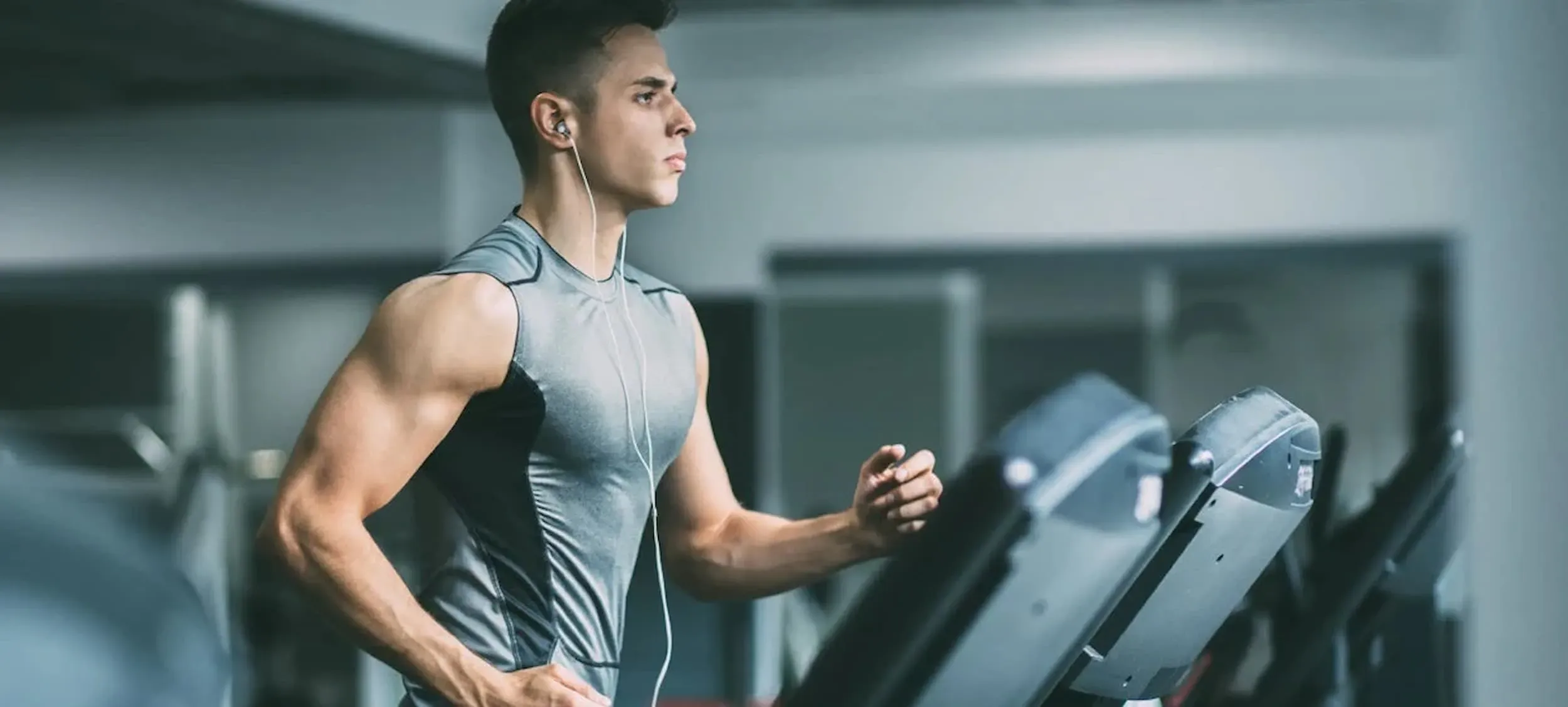
Ever noticed how the wrong clothes can completely wreck your workout? That uncomfortable seam digging in, sweat that never dries, and feeling like you're wearing a potato sack when you should be focused on crushing your sets.
Truth is, 68% of people who start working out wear inappropriate clothing, and it directly impacts their motivation and results. Training in the wrong gear can cause skin irritation, limit your movements, and even lead to injuries.
In this complete guide, you'll discover exactly how to choose fitness apparel that actually makes a difference. I'll show you which fabrics to pick for each type of workout, how to spot quality, and avoid wasting money on pieces that fall apart after a few months.
Get ready to transform your gym experience with smart choices that combine comfort, performance, and style.


Summary
- Why the Right Clothes Boost Your Performance
- Fitness Fabrics: Complete Guide to Get It Right
- How to Choose Clothes for Each Type of Workout
- Essential Pieces for Your Fitness Wardrobe
- Colors and Fitness Trends 2025
- Costly Mistakes When Shopping for Workout Gear
- How to Care for Your Gear to Make It Last
- Frequently Asked Questions
- Conclusion
Why the Right Clothes Boost Your Performance
Lots of people think workout clothes are just about looks. Reality shows that wearing the right gear can improve your performance by up to 15%, according to sports biomechanics studies.
When you wear clothes specifically designed for physical activity, your body works better. Tech fabrics regulate temperature, reduce friction, and improve blood circulation through strategic compression.
Real Impact on Your Body
The right clothing isn't a luxury—it's workout equipment. Here's how it directly affects your results:
Efficient temperature regulation: Fabrics like polyamide and polyester absorb sweat and allow rapid evaporation. This keeps your body temperature stable, preventing overheating that causes early fatigue and reduces performance by 20-30%.
Injury prevention: Clothes with proper compression reduce muscle vibration during impact. Studies show this decreases the risk of muscle injuries by 27% in runners and people doing high-impact exercises.
Range of motion: Stretchy fabrics let you execute complete movements without restrictions. This is crucial for deep squats, stretches, and functional exercises where limited movement compromises technique.
Psychological comfort: Feeling good in what you're wearing boosts confidence and motivation. Research indicates people who like their workout clothes have 43% more consistency in their exercise routine.
How Inappropriate Clothes Hurt You
Wearing wrong clothes isn't just uncomfortable—it's harmful:
Regular cotton retains up to 400% of its weight in water. During a 1-hour workout, your shirt can get 10 oz heavier just from sweat. This causes extreme discomfort and increases chances of catching a cold post-workout.
Clothes that are too tight without compression technology restrict circulation. This reduces muscle oxygenation and can cause tingling, cramps, and even thrombosis in extreme cases.
Poorly positioned seams or rough fabrics cause friction. In long workouts like 6-mile runs, this results in painful chafing that can keep you away from activity for days.
If you're looking to improve performance in cardio exercises, starting with the right clothes is essential. For those who train at home, check out our guide on home workouts for weight loss to maximize results.
Fitness Fabrics: Complete Guide to Get It Right
Understanding fabrics is the first step to making smart choices. Each material has specific characteristics that work better for certain types of training and weather conditions.
Polyamide: The Queen of the Gym
Polyamide (also called nylon) is considered the most premium synthetic fabric. Created in the 1930s, it revolutionized the fitness industry by combining extreme lightness with high strength.
How it works in practice: Polyamide fiber is excellent at absorbing and evaporating moisture, keeping your body dry and cool during workouts. After that, it facilitates evaporation, keeping you dry even during intense 90-minute training sessions.
Main benefits:
- 40% lighter than conventional fabrics
- Soft, silky feel that doesn't irritate sensitive skin
- Wicks sweat 3x faster than cotton
- Doesn't pill even after 200 washes
- Dries completely in 2-3 hours naturally
Ideal for: Intense training, running, HIIT, spinning, and any activity with high perspiration. Perfect for hot climates and summer. Those practicing HIIT training will love the comfort of this fabric.
Feature | Polyamide | Polyester | Cotton |
|---|---|---|---|
Sweat Absorption | Excellent | Good | High (but retains) |
Drying Time | 2-3 hours | 1-2 hours | 6-8 hours |
Durability | High (2-3 years) | Very High (3-4 years) | Medium (1-2 years) |
Thermal Feel | Cool | Neutral/Warm | Cool |

Polyester: Proven Durability
Polyester is the most widely used fabric in sportswear worldwide. While less premium than polyamide, it offers important advantages, especially in terms of cost-effectiveness.
Main benefits:
- Superior mechanical resistance—polyester can handle frequent stretching, washing, and intense activity without losing shape or color
- Maintains vibrant color even after 300 washes
- Retains body heat (great for winter)
- Up to 40% cheaper than pure polyamide
- Never wrinkles (perfect for gym bag)
When mixed with elastane: It gains elasticity while keeping all advantages. This combination is ideal for leggings and shorts that need firm but comfortable fit.
Ideal for: Weightlifting, outdoor training on cold days, winter morning runs, and anyone looking for durable clothes with good value. Check out quality supplements to complement your training.
Elastane: The Power of Stretch
Elastane (also called lycra or spandex) is rarely used alone. It's mixed with other fabrics to give that essential elasticity allowing full range of motion.
What it does: Can stretch up to 600% of its original size and bounce back perfectly. This is what lets leggings fit your body perfectly without squeezing too hard.
Ideal proportions:
- 10-15% elastane: Moderate stretch for shirts
- 15-20% elastane: Ideal for sports bras and shorts
- 20-30% elastane: Perfect for high-compression leggings
Always check the percentage on the label. Less than 10% offers little stretch. More than 30% might be uncomfortably tight.
Dry Fit: Cutting-Edge Technology
Dry Fit isn't a fabric but a treatment technology applied to polyester and polyamide. It boosts the fabric's moisture-wicking capacity.
How it works: Chemical treatments or special weave structures pull sweat from skin to the fabric's outer surface where it evaporates quickly. You dry 50% faster.
Ideal for: Very intense training, extremely hot days, spinning, CrossFit, and any situation where you sweat a lot. Essential for anyone following a gym workout for weight loss.
How to Choose Clothes for Each Type of Workout
Each physical activity has specific demands. The ideal outfit for yoga doesn't work for running, just like the perfect look for weightlifting won't work for swimming.
Weightlifting and Strength Training
For weightlifting, you need clothes that allow full range of motion and don't interfere with exercise execution.
For men:
- Tank top or polyester shirt with wide armhole cut
- Shorts or light sweatpants (not too hot)
- Ideal short length: 2 inches above the knee
For women:
- Sports bra with proper support for bust size
- Medium compression legging (polyamide + 20% elastane)
- Avoid very thick leggings that get too hot
Why compression helps: Compression leggings are designed to boost blood flow to lower body muscles during exercise, delivering more oxygen where it's needed. This improved circulation enhances muscle oxygenation, helping you work out more efficiently with less fatigue. For those looking to gain muscle, this makes a real difference in results.
Running and Cardio Workouts
Runners need ultralight clothes that don't restrict repetitive movements and manage heavy sweat well.
Running essentials:
- Polyamide shirt or tank (max 5 oz weight)
- Shorts with inner liner preventing chafing
- Legging with flat seams (no friction)
- Fabrics with antibacterial treatment (prevents odor)
Crucial detail: Check that there are no seams in the armpits and crotch. These are the highest-friction areas during running. Seams in these spots cause painful wounds on runs over 5 miles.
Pro tip: For early morning or evening runs, choose pieces with reflective details. This increases your visibility and traffic safety by up to 300%. If you're following the benefits of walking, these tips apply too. Don't forget proper hydration with a good thermal bottle.

Yoga and Pilates
These practices require extreme range of motion and clothes that don't slip or move during poses.
What works best:
- High-waisted, super stretchy leggings
- Long tops that don't ride up during inversions
- Fabrics with grip on palms and feet
- Avoid very loose clothes that block instructor's view
Ideal material: Polyamide with 25-30% elastane offers the perfect balance between elasticity and shape recovery. Compression should be firm but not restrictive.
Functional Training and CrossFit
These modalities combine strength, cardio, and mobility. Clothes need to be versatile and extremely durable.
Recommendations:
- Medium to high compression clothing
- Reinforced fabrics at knees and elbows
- Shorts with inner layer that doesn't ride up
- Fabrics with anti-abrasion protection
Why durability matters: Movements like burpees, box jumps, and rope climbs create extreme friction. Regular fabrics tear or develop holes in 2-3 months. Invest in CrossFit-specialized brands that last 10x longer. Check out our calisthenics training guide for bodyweight alternatives.
Workout Type | Ideal Fabric | Compression | Priority |
|---|---|---|---|
Weightlifting | Polyester + Elastane | Medium | Range |
Running | Polyamide Dry Fit | Low-Medium | Lightness |
Yoga/Pilates | Polyamide + 25% Elastane | Medium-High | Elasticity |
CrossFit | Reinforced Polyester | High | Durability |
Essential Pieces for Your Fitness Wardrobe
You don't need 20 different pieces. A functional fitness wardrobe has 10-12 strategic items you can mix and match multiple ways.
Complete Basic Kit
This is the minimum you need to train comfortably throughout the week:
3 leggings or shorts: One basic black (goes with everything), one colorful, and one patterned. Rotate them so they last longer. Always choose quality fitness shorts with good elasticity.
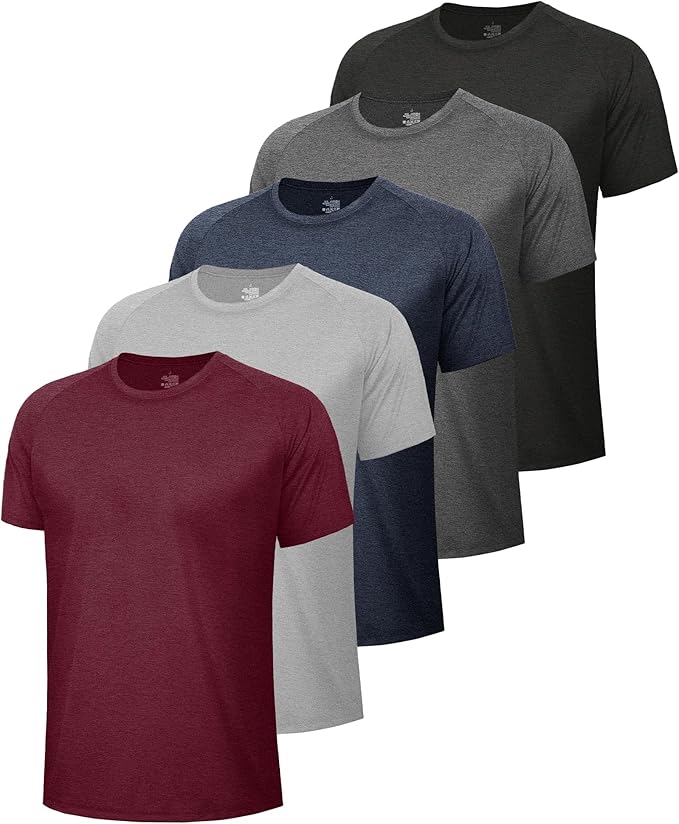
5 sports bras or shirts: To train 5x a week without repeating. Prefer neutral colors (black, gray, white) that match any leggings. Invest in at least 2 tops with Dry Fit technology.
2 specific sneakers: One for weightlifting (flatter sole) and another for running (with cushioning). Using the wrong sneakers increases injury risk by 45%. Check out our guide on how to choose running shoes.
3 pairs of socks: Essential to prevent blisters and absorb impact. Avoid cotton socks that retain moisture. Check our article on how to choose workout socks.
1 windbreaker jacket: For outdoor training or strong gym AC. Choose one that can be folded and stored in your bag.
Sports Bras: How to Choose Yours
Choosing the right sports bra makes all the difference in comfort during high-intensity training.
Support level needed:
- Low impact (yoga, Pilates): Triangle bra without padding
- Medium impact (weightlifting, cycling): Bra with removable padding
- High impact (running, HIIT): Bra with compression and reinforced support
How to know if it's right: The bra should hold firmly without restricting breathing. Do the test: jump 10x in place. If there's excessive movement, support is insufficient.
Popular 2025 models:
- Bras with asymmetric cuts (strong trend)
- Models with cross-back straps
- Longline bras (cover to hip)
- Versions with mesh cutouts for ventilation

Leggings: Investment That's Worth It
A good pair of leggings costs between $30-80, but lasts 2-3 years with heavy use. Cheap $12-16 leggings last only 3-6 months and lose elasticity quickly.
Quality signs:
- Opaque fabric even when squatting (test before buying)
- Reinforced seams in tension areas
- Wide waistband (3-4 inches) that doesn't roll
- Internal pocket for keys (extra functionality)
Available lengths:
- Capri (to calf): Ideal for those with shorter legs
- 7/8 (to ankle): More modern and universal
- Traditional full-length: Better for cold days
Proper compression: Leggings should squeeze lightly but allow full movement. If they leave deep red marks on skin for more than 5 minutes after taking off, they're too tight.
Colors and Fitness Trends 2025
Fitness fashion in 2025 combines functionality with sophisticated aesthetics. Trends reflect the search for versatility: clothes that go from gym to casual outings.
Dominant Color Palette
This year's colors move beyond basic black and bring sophistication through earthy tones and strategic vibrant shades.
Trending earthy tones:
- Mocha mousse (Pantone's 2025 Color of the Year): Elegant brown that goes with everything
- Military green: Conveys strength and confidence
- Caramel and sand: Sophisticated neutrals
- Terracotta: Vibrant yet understated
Energetic colors:
- Vibrant yellow: Boosts motivation and visibility
- Coral and orange: Tropical energy
- Lime green: Bold and modern
- Royal blue: Sophisticated alternative to black
How to combine: Use earthy tones as base and add one vibrant piece as accent. Example: brown leggings + yellow top creates a balanced, modern look.
Monochromatic Looks: Minimalist Elegance
Same-color outfits continue dominating for being practical and sophisticated. The "clean girl" concept has solidified in fitness fashion.
Why it works: Visual elongation, easy mixing, and premium appearance even in basic pieces. A $60 monochromatic set looks more expensive than separate $80 pieces.
Featured colors for monochromatic looks:
- Black: Timeless classic
- Gray: Modern and versatile
- Beige/nude: Discreet elegance
- Military green: Strong 2025 trend
Athleisure: From Gym to Coffee Shop
The athleisure concept (athletic + leisure) has strengthened, with fitness clothes now accepted in casual environments like cafés, stores, and even remote work.
How to create athleisure looks:
- Pair leggings with oversized shirt or blazer
- Wear chunky sneakers instead of technical ones
- Add accessories like structured bags
- Choose sophisticated colors (avoid neon)
Key athleisure pieces:
- Stylish sweatsuit sets
- High-waisted leggings in faux leather
- Longline tops that look like blouses
- Fitness bomber jackets
This versatility means you wear your clothes 3x more, justifying investment in higher-quality pieces. Don't forget to fuel properly—check out quality whey protein and creatine options.
Costly Mistakes When Shopping for Workout Gear
Choosing fitness clothing only by appearance is one of the biggest mistakes—and also the most common. These slip-ups directly impact your comfort, performance, and even your health.
1. Buying Based Only on Price
Very cheap clothes usually use low-quality fabrics with little elasticity and poor breathability. The result? See-through fabric, quick odor development, and wear in just a few months.
Rule of thumb: if the piece costs way less than market average, something was cheapened—almost always the fabric.
2. Ignoring Workout Type
Leggings perfect for weightlifting might be terrible for running or yoga. Each modality requires specific characteristics like compression, elasticity, or ventilation.
👉 Always ask yourself: "What workout will I use this for?"
3. Not Testing Transparency and Fit
Simple test at the store or home:
- Squat in front of mirror
- Stretch fabric with your hand
- Check if it shows too much or becomes translucent
If it fails any of these, pass on it.
4. Buying Wrong Size "To Lose Weight"
Workout clothes that are too tight don't help weight loss—they just limit movements, hurt circulation, and increase chafing risk.
Right clothes fit your current body, not your future body.
5. Falling for Non-Functional Fads
Excessive cutouts, shiny fabrics, or unnecessary details might look pretty but often compromise comfort and durability.
Functionality comes before aesthetics. Always.
How to Care for Your Gear to Make It Last
With proper care, quality fitness clothes last years while maintaining elasticity, color, and performance.
Proper Washing
- Wash always after use
- Use cold water
- Prefer mild detergent
- Turn pieces inside out
🚫 Avoid:
- Fabric softener (clogs tech fibers)
- Hot water
- Mixing with jeans or towels
Drying and Storage
- Dry in shade
- Never use dryer
- Don't hang by waistband (deforms piece)
Store folded in ventilated place. Constant compression (like stacking weight on top) reduces elastane lifespan. For better recovery after training, consider melatonin to improve sleep quality.
Replacement Frequency
Even with good care:
- Leggings and sports bras: 18–36 months
- Dry fit shirts: 12–24 months
If it lost elasticity, became see-through, or has persistent odor, time to retire it.
Frequently Asked Questions
What's the best fabric for workout clothes?
Polyamide (nylon) is considered the best fabric for gym wear because it's lightweight, breathable, and wicks sweat effectively. For intense workouts, combining polyamide with elastane offers elasticity and a perfect body-hugging fit.
Tight or loose clothes: which is better for working out?
Compression clothing is ideal for weightlifting and running as it improves circulation and reduces muscle vibration. Looser-fitting clothes work better for yoga, Pilates, and functional training that requires full range of motion.
Can I wear cotton to work out?
It's not recommended. Cotton absorbs sweat but doesn't evaporate it quickly, leaving your clothes heavy and damp. This can cause discomfort and skin irritation during longer or more intense workouts.
What's the difference between polyamide and polyester?
Polyamide is lighter, softer, and wicks sweat better—ideal for summer and intense training. Polyester is more durable, retains heat, and dries quickly, making it better for winter and outdoor workouts.
How much should I invest in quality fitness clothes?
A basic quality set (leggings + sports bra + sneakers) costs between $80-200. The investment pays off since they last 2-3 years, while cheap clothes need replacing every 6 months.
How do I wash workout clothes properly?
Wash after each use with cold water and mild detergent. Skip fabric softener as it clogs breathable fibers. Air-dry in the shade and never use a dryer—heat damages elastic and tech fibers.
Are dark or light colors better for working out?
Dark colors hide sweat and are more versatile for mixing and matching. Light colors reflect sunlight, making them better for outdoor summer workouts. Ideally, have both in your fitness wardrobe.
Conclusion
Choosing the right fitness clothing goes way beyond aesthetics. Proper fabrics, good fit, functionality for your workout type, and correct care directly impact your performance, comfort, and motivation.
In 2025, fitness fashion proves you can combine performance, durability, and style, especially with the rise of athleisure and sophisticated monochromatic looks.
👉 Quick recap:
- Prioritize tech fabrics (polyamide + elastane)
- Choose pieces suited to your workout
- Invest in quality, not quantity
- Take good care to make them last
- Use trends to your advantage without sacrificing comfort
When you feel good in what you're wearing, working out stops being a chore and becomes a habit. And habits build results—in your body, mind, and self-esteem.
Want to level up your nutrition game too? Check out our guides on protein, carbs, and pre and post-workout nutrition. Browse diet books and healthy recipe books for meal planning inspiration.