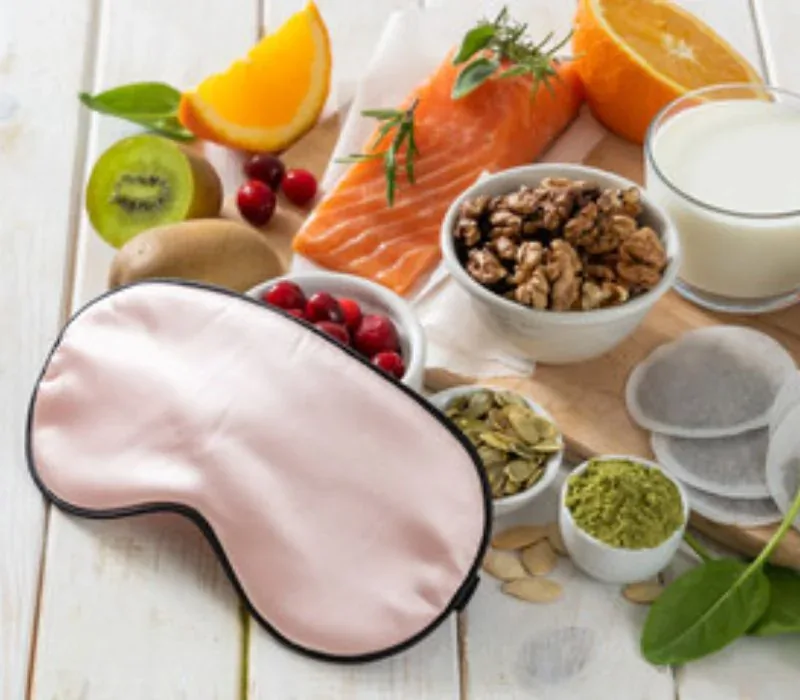
Complete Protein Guide: What They Are and Why You Need Them
Everything about proteins: functions, best sources, daily needs, and how to boost your health with proper intake.
Ever wonder why everyone obsesses over protein when talking about fitness and health? It's not just gym hype.
Proteins are literally keeping you alive right now. From growing your hair to fighting off that cold, these molecules work 24/7 behind the scenes. But here's the thing: most people don't really understand what they are or how much they actually need.
In this guide, I'll break down everything you need to know about proteins in simple terms. You'll discover what they do, which sources are best, and exactly how to make sure you're getting enough for your goals. Let's dive in.


Summary
- What Proteins Actually Are
- 9 Critical Functions Proteins Perform Daily
- Animal vs Plant Proteins Explained
- Best Food Sources for Maximum Protein
- How Much You Really Need Each Day
- Warning Signs You're Not Getting Enough
- Simple Ways to Increase Your Intake
- Proteins and Exercise Performance
- Frequently Asked Questions
- Conclusion
What Proteins Actually Are
Think of proteins as microscopic construction workers. They're made from smaller building blocks called amino acids, which link together like chains to form different structures.
Your body uses 20 different amino acids. Here's the catch: you can only produce 11 of them naturally. The other 9 are called essential amino acids, and you must get them from food.
These molecules exist in every single cell of your body. Your muscles, skin, bones, organs, even your hair and nails are built from proteins. Without them, your body simply couldn't function.
What makes each protein unique is how these amino acids connect. Different combinations create different shapes, and each shape has a specific job to do. It's like having specialized tools in a toolbox, where each one serves a distinct purpose.

9 Critical Functions Proteins Perform Daily
They Build and Repair Your Tissues
Proteins form the foundation of your muscles, bones, skin, and organs. When you exercise and create tiny muscle tears, proteins rush in to fix and strengthen those areas. This is why building muscle mass requires adequate protein intake.
They Speed Up Chemical Reactions
Enzymes are special proteins that act like catalysts. They make chemical reactions happen faster in your body. Without them, digestion, metabolism, and energy production would crawl to a halt.
They Regulate Your Hormones
Many hormones come from proteins. Insulin controls your blood sugar. Growth hormone helps you develop properly. These protein-based messengers coordinate almost everything happening inside you.
They Protect You From Disease
Antibodies are protein soldiers fighting infections. When viruses or bacteria invade, these defenders identify and destroy them. Your immune system depends entirely on having enough protein to manufacture these weapons.
They Transport Essential Substances
Hemoglobin, a protein in your blood, carries oxygen from your lungs to every cell. Other proteins shuttle nutrients, vitamins, and minerals where they need to go throughout your body.
They Provide Backup Energy
While not their main job, proteins can convert to energy when carbs and fats run low. Each gram delivers 4 calories, helping fuel your activities when needed.
They Balance Your Body Fluids
Proteins help control water distribution inside and outside cells. This fluid balance is crucial for proper cell function and preventing dangerous swelling.
They Keep Your Blood pH Stable
Acting as natural buffers, proteins maintain your blood's pH level within the narrow range necessary for survival. Even small pH changes can be life-threatening.
They Keep You Looking Good
Collagen and keratin are proteins giving your skin elasticity, your hair strength, and your nails durability. As you age, maintaining protein intake becomes even more important for appearance. For better overall wellness, check out our guide on improving sleep quality naturally.

Animal vs Plant Proteins Explained
The protein debate isn't about which is "better." It's about understanding what each type offers so you can make smart choices.
Animal Proteins Pack Complete Nutrition
Animal sources contain all nine essential amino acids in perfect proportions. Your body absorbs and uses them efficiently without much work.
Top sources include: beef, chicken, turkey, fish, eggs, milk, cheese, and yogurt.
The good stuff: complete amino acid profile, high bioavailability, excellent source of B12, easily absorbed iron, and zinc.
The downsides: often contains saturated fat and cholesterol, especially in fattier cuts. Choose lean options when possible.
Plant Proteins Bring Unique Benefits
Plant proteins may lack some amino acids individually, but they come packed with fiber, antioxidants, and other health-boosting compounds.
Top sources include: beans, lentils, chickpeas, tofu, tempeh, quinoa, nuts, seeds, and whole grains.
The good stuff: high in fiber, cholesterol-free, rich in antioxidants, lower environmental footprint, and less saturated fat.
The downsides: usually missing one or more essential amino acids, and often lack B12. But smart combinations solve this easily.

Mix and Match for Best Results
You don't need all amino acids in every meal. Eating different protein sources throughout the day covers all your bases. The classic rice and beans combo is perfect because rice has amino acids beans lack, and vice versa.
If you're cutting back on meat or going vegetarian, understanding proper combinations is key. For more nutritional strategies, explore our ketogenic diet guide or learn about low-carb eating approaches.
Best Food Sources for Maximum Protein
Knowing where to get quality protein makes hitting your targets way easier. Here are the richest, most practical options for your daily routine.
Animal-Based Powerhouses
Chicken breast: 31g per 100g serving, lean and versatile for any meal.
Greek yogurt: 10g per 100g serving, plus probiotics for gut health.
Eggs: 6g per large egg, contains all essential amino acids plus healthy fats.
Salmon: 25g per 100g serving, packed with omega-3 fatty acids for heart health. Learn more about omega-3 benefits for overall wellness.
Cottage cheese: 11g per 100g serving, perfect for snacks or before bed.
Plant-Based Champions
Lentils: 9g per 100g cooked, plus tons of fiber and iron.
Chickpeas: 8g per 100g cooked, great for hummus or salads.
Quinoa: 8g per 100g cooked, one of few plant proteins with all amino acids.
Almonds: 21g per 100g serving, excellent for snacking between meals.
Tofu: 8g per 100g serving, absorbs flavors beautifully in any dish.
When Supplements Make Sense
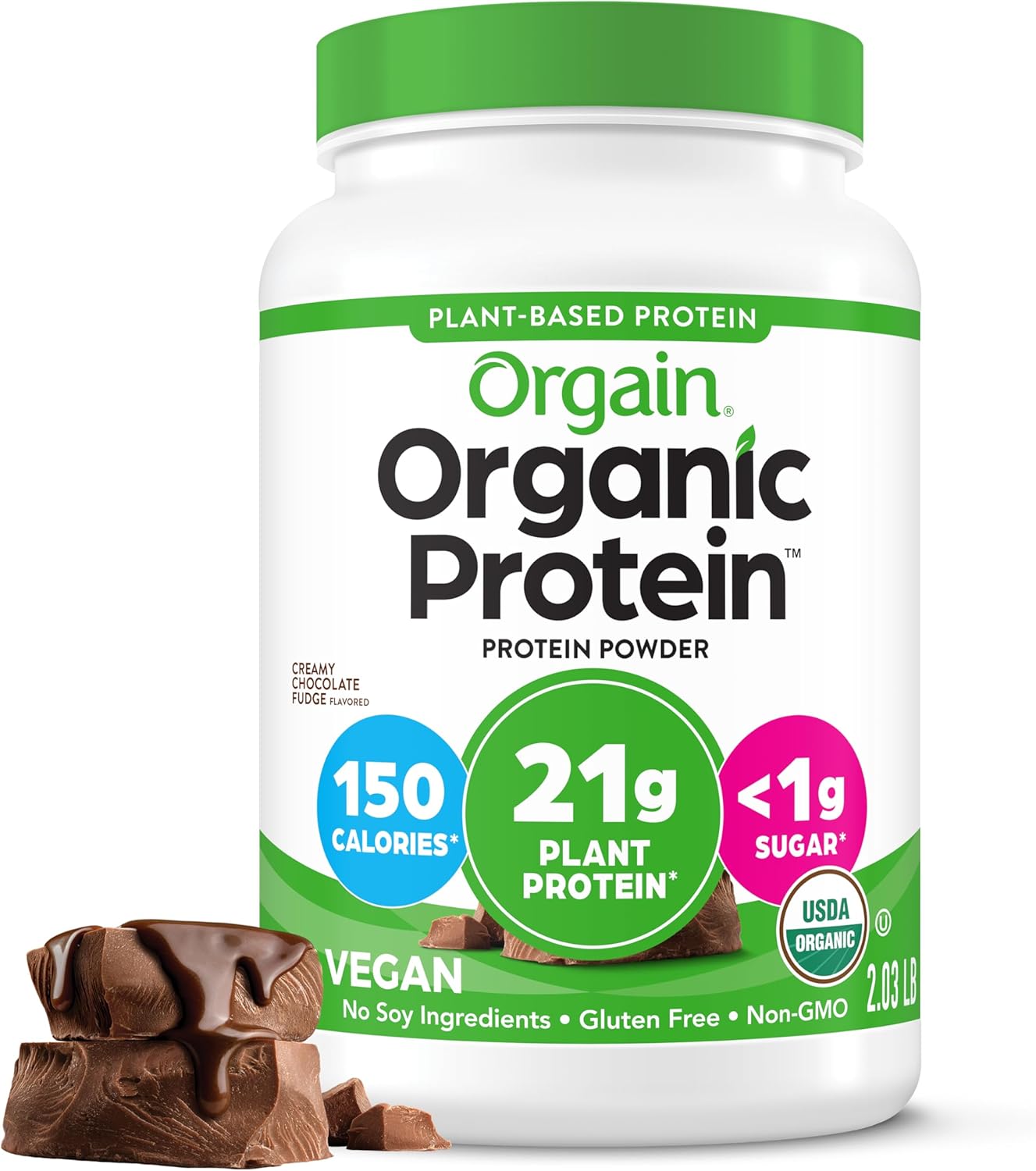
For athletes, busy professionals, or anyone struggling to hit protein goals with food alone, supplements can help. Quality options are available that fit different needs and preferences.
Popular choices include:
- Whey protein: fast-absorbing, ideal post-workout
- Casein protein: slow-release, great before bed
- Plant-based blends: perfect for vegans and vegetarians
For those serious about fitness, combining proper nutrition with quality supplements can accelerate results. Check out our guide on the best supplement brands available today.
How Much You Really Need Each Day
There's no magic number that works for everyone. Your ideal protein intake depends on multiple factors including age, weight, activity level, and specific goals.
General Guidelines for Most Adults
The baseline recommendation is 0.8g per kilogram of body weight. For a 150-pound person, that's about 55g daily. But this is the bare minimum to prevent deficiency, not optimize health.
Active individuals and athletes typically need 1.2-2g per kilogram. Someone training regularly at 150 pounds should aim for 80-135g daily for best results.
Adjusting for Your Goals
Building muscle: If you're focused on gains, aim for the higher end around 1.6-2g per kilogram. Combine this with proper training strategies for maximum results.
Losing weight: During calorie restriction, maintaining higher protein intake (1.2-1.6g per kilogram) helps preserve muscle mass while burning fat.
Aging adults: After 50, your body's protein synthesis slows down. Slightly higher intake around 1-1.2g per kilogram helps maintain muscle mass and strength.
Spread It Throughout the Day
Don't dump all your protein into one meal. Your body can only use so much at once. Aim for 20-40g per meal, distributed across breakfast, lunch, dinner, and snacks.
This approach maximizes protein synthesis and keeps you feeling satisfied longer, making it easier to stick with your nutrition plan.
Warning Signs You're Not Getting Enough
Severe protein deficiency is rare in developed countries, but inadequate intake causes subtle problems that often go unnoticed for years.
Watch for These Red Flags
Muscle wasting: Gradual loss of muscle mass even without changes in activity is often the first sign something's wrong.
Constant exhaustion: Feeling drained all the time might mean your body lacks amino acids needed for energy production and cellular repair.
Wounds heal slowly: Cuts, scrapes, or bruises that linger for weeks indicate your body can't manufacture enough proteins for proper healing.
Hair and nail problems: Brittle nails that break easily, hair falling out, or weak strands all point to insufficient protein intake.
Getting sick frequently: When colds and infections hit you constantly, your immune system probably lacks proteins needed to make antibodies.
Mood swings: Unexplained irritability, brain fog, or difficulty concentrating can relate to inadequate protein affecting neurotransmitter production.
Who's at Higher Risk
Certain groups need extra attention to protein intake:
- Vegetarians and vegans without proper planning
- Older adults with reduced appetite
- People following extreme restrictive diets
- Those recovering from surgery or illness
- Anyone with eating disorders
If you recognize multiple symptoms, reassess your diet immediately. Consider tracking your intake for a week to see where you actually stand.
Simple Ways to Increase Your Intake
Boosting protein doesn't require complicated meal prep or expensive ingredients. These practical strategies make hitting your targets effortless.
Start Your Morning Right
Scrambled eggs with cheese: Quick, delicious, and packs 20-25g of complete protein to fuel your day.
Greek yogurt parfait: Layer with granola, berries, and nuts for 25-30g protein plus healthy fats and fiber.
Protein smoothie: Blend frozen fruit, milk or plant milk, protein powder, and nut butter for a convenient 30-40g protein breakfast.
Smart Snacking Strategies
Keep high-protein snacks accessible throughout the day:
- Mixed nuts and seeds (6-8g per handful)
- String cheese with apple slices (7-8g)
- Hard-boiled eggs prepared in advance (6g each)
- Cottage cheese with berries (15-20g per cup)
- Natural peanut butter with celery (8g per 2 tablespoons)

Level Up Your Main Meals
Double the protein: Add an extra chicken breast, fish fillet, or serving of beans to lunch and dinner.
Mix protein sources: Combine animal and plant proteins in one dish, like chicken with black beans or salmon with quinoa.
Meal prep efficiently: Cook proteins in bulk on weekends. Grilled chicken, baked fish, and cooked lentils last 3-4 days refrigerated.
Get Creative With Recipes
Quality cookbooks and resources can transform boring protein into delicious meals you actually want to eat. Check out nutrition books on Amazon for inspiration and evidence-based meal planning.
Understanding how different nutrients work together is crucial. Explore our guides on carbohydrates and whole foods nutrition for a complete picture.
Proteins and Exercise Performance
The relationship between protein and exercise determines whether you see results or spin your wheels. Timing and amount both matter significantly.
When to Eat Protein for Best Results
Pre-workout (1-2 hours before): A balanced meal with 20-30g protein provides amino acids during training. Learn more about pre and post-workout nutrition strategies.
Post-workout (within 2 hours): This is your golden window. Fast-absorbing proteins like whey or eggs maximize muscle protein synthesis when muscles are most receptive.
Before bed: Slow-digesting proteins like casein or cottage cheese support overnight recovery and prevent muscle breakdown during sleep.
Different Training Demands Different Approaches
Strength training: Heavy lifting creates significant muscle damage requiring 1.6-2g protein per kilogram bodyweight daily for optimal repair and growth.
Cardio training: Endurance activities need less protein (1-1.2g per kilogram), but adequate intake still supports recovery and prevents muscle loss. Understand the differences between cardio and weight training for smarter programming.
Mixed training: Combining both requires balanced protein strategy around 1.4-1.8g per kilogram depending on intensity and volume.
Supplements That Actually Work
Beyond protein powder, these evidence-based supplements can enhance results:
- Creatine: Improves strength, power, and muscle gains
- Omega-3s: Natural anti-inflammatory supporting recovery
- Vitamin B12: Critical for vegetarians and older adults
Quality matters. Invest in reputable brands with third-party testing. Browse fitness supplements that meet high standards.
Don't Forget Hydration
Increased protein intake requires more water. Your kidneys need extra fluid to process and eliminate protein metabolism byproducts. Aim for at least 8-10 glasses daily, more if you're training hard.
For those serious about tracking progress, check out our guide on best fitness smartwatches to monitor everything from workouts to recovery.
Frequently Asked Questions
How much protein should I eat daily?
Most adults need 0.8-1g of protein per kilogram of body weight. Active people and athletes may need 1.2-2g per kilogram, depending on their training intensity and goals.
Can I get enough protein from plant sources only?
Yes! By combining different plant proteins throughout the day like beans with rice, lentils with quinoa, or nuts with whole grains, you can get all essential amino acids your body needs.
What happens if I don't eat enough protein?
Protein deficiency can lead to muscle loss, constant fatigue, slow wound healing, weakened immunity, hair loss, and brittle nails. Long-term deficiency seriously impacts overall health.
Is protein powder necessary for building muscle?
Not necessary, but convenient. You can meet all protein needs through whole foods. Supplements are helpful for busy schedules, post-workout nutrition, or when food intake is difficult.
What's better: animal or plant protein?
Both have benefits. Animal proteins contain all essential amino acids and are easily absorbed. Plant proteins offer fiber, antioxidants, and lower environmental impact. A balanced mix is ideal for most people.

Conclusion
Proteins are the foundation of everything your body does. From building muscle and repairing tissues to producing hormones and fighting disease, these molecules work constantly to keep you healthy and functioning optimally.
For more comprehensive health strategies, explore our articles on foods that reduce stress and coffee's health benefits. If you're interested in meditation and stress management, check out meditation resources to complement your wellness journey.