Best Gym Exercises to Lose Weight Fast
Discover the most effective fat-burning gym workouts with proven strategies to shed pounds and build lean muscle.
Ever spent hours at the gym without seeing real results on the scale? Here's the deal: 67% of people choose the wrong exercises when their goal is to lose weight.
The truth is, not every exercise burns fat with the same efficiency. While some can torch up to 800 calories per hour, others barely hit 200. And worse: training the wrong way can actually hinder your weight loss by causing excessive fatigue without results.
In this complete guide, you'll discover the 12 most powerful exercises to burn fat at the gym in 2025. I'll show you exactly how to perform them, how much time to dedicate to each one, and how to combine different modalities to maximize your results.
Get ready to transform your body with science-backed strategies approved by thousands of people who've successfully lost weight in a healthy and lasting way.






Summary
- Why the Gym Is Essential for Weight Loss
- Weight Training vs Cardio: What Actually Works
- HIIT: The Workout That Burns Fat for 48 Hours
- Metabolic Weight Training: Lose Fat While Building Muscle
- Spinning: Burn Up to 540 Calories in 60 Minutes
- Functional Training: Real-Life Movement Exercises
- Treadmill Running: How to Do It Right
- How to Build Your Ideal Weekly Workout Plan
- Mistakes That Keep You From Losing Weight
- Frequently Asked Questions
- Conclusion
Why the Gym Is Essential for Healthy Weight Loss
A lot of folks think losing weight is just about eating less. But recent studies from Stanford University show that exercise accounts for 60-75% of success in sustainable fat loss.
The gym offers something no diet alone can achieve: permanent metabolism acceleration. When you gain muscle mass, your body starts burning more calories 24 hours a day, even while you're sleeping or watching Netflix.
What Happens to Your Body When You Train
During exercise, your body doesn't just burn calories. It activates a set of metabolic processes that keep working hours after the workout ends.
Extended calorie burn: Intense weight training elevates your metabolism for up to 72 hours after the session through a phenomenon called EPOC. This means you're burning extra calories for up to 3 days after training.
Muscle preservation: Unlike restrictive diets that make you lose muscle along with fat, gym training ensures you lose only fat while maintaining or even increasing your lean mass.
Hormonal regulation: Exercise improves insulin sensitivity, regulates cortisol, and increases fat-burning hormones like GH and testosterone.
Body composition change: On the scale, you might not see a dramatic drop initially, but your body will be swapping fat for muscle, which results in a more defined look and looser-fitting clothes.
The complete structure of a gym allows you to vary exercises, intensity, and training volume in ways impossible at home. This versatility is crucial to avoid plateaus and maintain consistent results month after month. To further enhance your results, consider using appropriate gear like insulated water bottles to stay properly hydrated during intense workouts.
Weight Training vs Cardio: Which Burns More Fat?
This is probably the most common question among people wanting to lose weight. The answer might surprise you: weight training wins long-term, but both are important.
A 2023 Stanford University study tracked 186 overweight individuals for 9 months. Results showed that those who only did weight training lost more body fat than those who only did cardio.
How Weight Training Transforms Your Metabolism
Weight training works differently than cardio. Instead of burning lots of calories during the workout, it permanently changes how your body functions.
Muscle mass gain: Every pound of muscle you gain burns an extra 30-50 calories per day at rest. Sounds small, but over a year that's 10,950-18,250 extra calories burned, equivalent to 3-5.5 lbs of fat lost automatically.
Extended EPOC effect: An intense weight training session keeps your metabolism elevated for 48-72 hours. During this period, you burn 15-20% more calories than normal, even doing nothing.
Yo-yo effect prevention: When you lose weight with just diet and cardio, you lose muscle too. This slows your metabolism and makes weight regain easier. Weight training prevents this problem.
The Role of Cardio in Weight Loss
Cardio has its place and shouldn't be ignored. It's unbeatable when you need an immediate, large caloric deficit.
During an hour of moderate running, you burn 600-800 calories. With weight training, you'd burn 200-400 calories in the same period. For those who have a lot of weight to lose quickly, the aerobic component is fundamental.
When to prioritize cardio: If you have more than 45 lbs to lose, start emphasizing cardio (60% of training) to accelerate initial loss. As you slim down, flip the ratio.
When to prioritize weight training: If you want to lose 10-30 lbs and get defined, put 70% of your effort into weight training. It'll sculpt your body while you slim down.
Aspect | Weight Training | Cardio |
|---|---|---|
Calories per hour | 200-400 | 600-800 |
Post-workout burn | Up to 72hrs | 6-12hrs |
Metabolism impact | Permanent | Temporary |
Preserves muscle | Yes | No |
Defines body | Excellent | Moderate |
The best strategy combines both. Use weight training as your training base (3-4x weekly) and add cardio strategically (2-3x weekly) to accelerate results. To boost your energy during workouts, consider supplementing with quality supplements that aid performance and recovery. You can also check out our guide on pre and post-workout nutrition for optimal fueling strategies.
HIIT: The Workout That Burns Fat for 48 Hours Straight
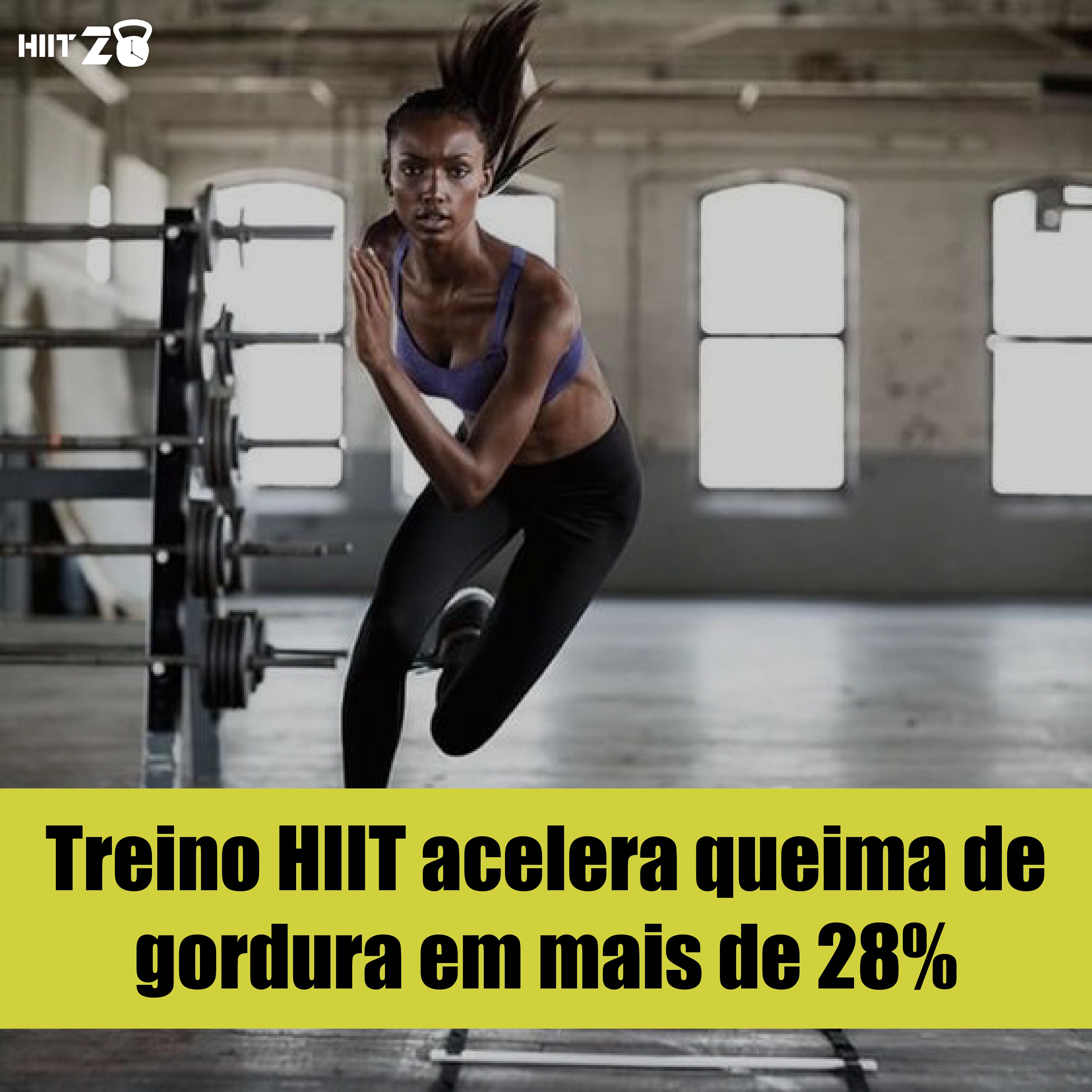
HIIT is considered by experts the most efficient training method for weight loss in 2025. And for good reason: in just 20-30 minutes, you get the same results as 60 minutes of moderate cardio.
HIIT stands for High-Intensity Interval Training. The concept is simple: you alternate short bursts of max-effort exercise (30-90 seconds) with active recovery periods (1-2 minutes at light pace).
How HIIT Burns Fat Differently
The big advantage of HIIT lies in what happens after the workout. While traditional cardio stops burning calories right after you finish, HIIT keeps your metabolism revved for up to 48 hours.
Explosive calorie burn: During a 30-minute HIIT session, you burn between 250-400 calories. But in the following 48 hours, your body burns an extra 200-300 calories while recovering. Total: 450-700 calories from a single half-hour workout.
Direct attack on belly fat: Studies show HIIT is especially effective at reducing visceral fat, the kind that sits around internal organs and is most dangerous to health.
Maximum muscle preservation: Unlike long cardio sessions, HIIT doesn't consume muscle mass as energy. It forces your body to use fat as the primary fuel source.
Basic HIIT Protocol for Beginners
If you've never done HIIT, start with this protocol 2-3 times per week:
Warm-up (5 minutes): Light cardio on treadmill, bike, or elliptical to prep your body.
Intervals (15 minutes):
- 30 seconds at maximum effort (90-95% of max heart rate)
- 90 seconds at recovery pace (60-70% capacity)
- Repeat 10 times
Cool-down (5 minutes): Gradual return to calm with light cardio and stretching.
Recommended exercises: Treadmill running, stationary bike, jump rope, burpees, jumping jacks, or any movement that gets your heart racing quickly.
You can progress by increasing max-effort time (up to 60-90 seconds) and decreasing recovery time as your conditioning improves. To maximize results, combine training with whey protein that supports muscle recovery and growth. Learn more about exercise intensity in our HIIT training benefits guide.
Metabolic Weight Training: Lose Fat While Building Muscle Simultaneously

Metabolic weight training is the evolution of traditional hypertrophy training. It combines strength exercises with HIIT principles, resulting in massive calorie burn during and after the workout.
In an hour of metabolic weight training, you burn between 300-500 calories immediately. But the real benefit comes in the following 72 hours, when your body continues burning extra calories to repair damaged muscle fibers.
Differences Between Traditional and Metabolic Weight Training
In traditional weight training, you focus on heavy loads with complete rest between sets (2-3 minutes). This is great for gaining strength and mass but doesn't optimize calorie burn.
In metabolic weight training, you use moderate loads (60-75% of max) with short intervals (45-90 seconds) between sets. This keeps your heart rate elevated the entire time, transforming the workout into a hybrid of strength and cardio.
Key characteristics:
- Focus on compound exercises that recruit multiple muscle groups
- Extended time under tension (30-60 seconds per set)
- Supersets and circuits without pause
- High volume with moderate-high intensity
Most Effective Exercises for Metabolic Weight Training
Prioritize movements that work large muscle groups simultaneously. They burn way more energy than isolation exercises.
For lower body:
- Squats (barbell or Smith machine): Works quads, glutes, hamstrings, and core. Burns up to 50% more calories than leg extension or leg curl machines.
- Dumbbell lunges: Besides burning calories, improves balance and core stabilization.
- Leg press: Allows heavy load with less central nervous system fatigue.
For upper body:
- Flat or incline bench press: Engages chest, shoulders, and triceps simultaneously.
- Bent-over or one-arm rows: Activates the entire posterior chain (back, traps, biceps, and lower back).
- Military press: Works shoulders, triceps, and core in an integrated way.
For core and stabilization:
- Plank with variations: Powerful isometric for abs and lower back.
- Mountain climbers: Combines core with intense cardio.
A complete metabolic training example could be: 4 sets of each exercise in circuit format, 12-15 reps, 60 seconds rest between complete circuits. This creates a 45-60 minute extremely efficient workout. To optimize muscle recovery after intense training, many athletes use creatine supplements that accelerate the process. For more insights, read our muscle hypertrophy explained article.
Spinning: Burn Up to 540 Calories in a 60-Minute Class
If you think stationary bikes are boring, you've never tried a real spinning class. This modality transforms indoor cycling into an explosive and addictive workout.
Spinning combines motivating music, variable intensity, and group energy to create a unique experience. In an hour, you burn between 400-540 calories, depending on class intensity and your body weight.
How a Spinning Class Works
Classes last between 45-60 minutes and simulate different terrains and cycling situations: steep climbs, flat sprints, quick descents, and recovery intervals.
Typical class structure:
- Warm-up (5-10 minutes): Light pedaling to prepare muscles and joints
- High-intensity intervals (30-40 minutes): Alternation between sprints, seated and standing climbs
- Cool-down (5-10 minutes): Gradual intensity reduction and stretching
The instructor adjusts intensity through three variables: bike resistance, pedaling speed, and position (seated or standing). You control your own intensity, making the modality suitable for all levels.
Specific Spinning Benefits for Weight Loss
Spinning offers unique advantages that make it ideal for those wanting to lose weight without stressing joints.
Low joint impact: Unlike running, spinning doesn't cause impact on knees, ankles, and hips. Perfect for overweight people or those with old injuries.
Lower body strengthening: While losing weight, you tone and strengthen quads, hamstrings, glutes, and calves. This creates defined and firm legs.
Cardiovascular capacity: Spinning drastically improves your cardiovascular endurance. In 4-6 weeks of regular training, you'll notice significant difference in daily activities.
Motivating social component: Group training increases exercise adherence by 40%. Collective energy pushes you beyond what you'd do alone.
For optimal results, take 2-3 classes per week, always on alternate days to allow adequate recovery. Combine with weight training on other days to maximize muscle definition. And don't forget to use nutrition guides to support your training efforts. Check out our cardio vs weight training comparison for more workout strategies.
Functional Training: Real-Life Movement Exercises

Functional training is one of the fastest-growing modalities in American gyms over the past few years. And the reason is simple: it delivers real results while improving your quality of life day-to-day.
Unlike exercises that isolate specific muscles, functional training works complete movements you use constantly: squatting to pick something up, pushing heavy objects, rotating your torso, jumping obstacles.
Why Functional Training Is So Effective for Weight Loss
Functional training activates multiple muscle chains simultaneously. This means greater energy expenditure per movement and calorie burn superior to traditional isolation exercises.
High calorie burn: A 45-60 minute functional session burns between 350-550 calories, similar to HIIT but with lower joint impact.
Superior metabolic adaptation: By demanding coordination, balance, and strength simultaneously, functional training spends more neural energy, resulting in accelerated metabolism for longer after the workout.
Total versatility: Can be done with bodyweight, resistance bands, kettlebells, medicine balls, or any available equipment. This allows constant progression without stagnation.
Immediate functional improvement: You quickly notice it gets easier to climb stairs, carry groceries, and play with kids. This perception increases motivation to continue.
The 7 Most Powerful Functional Exercises to Lose Fat
These movements recruit maximum possible muscles, resulting in explosive calorie expenditure.
1. Burpees: The king of functional exercises. Works chest, arms, legs, abs, and drastically elevates heart rate. In 10 burpees, you already feel your heart racing. Burns approximately 10 calories per minute.
2. Jump squats: Combines leg strength with cardiovascular explosion. Strengthens quads, glutes, and calves while burning fat quickly.
3. Mountain climbers: Dynamic plank that works core, shoulders, and cardio simultaneously. Maintain a steady rhythm of 40-60 seconds for maximum effect.
4. Kettlebell swings: Power movement that works complete posterior chain (lower back, glutes, hamstrings) with intense cardiovascular component.
5. Push-ups with rotation: Traditional push-up followed by torso rotation with extended arm. Works chest, core, and shoulders in integrated fashion.
6. Lunges with twist: Traditional lunge combined with torso rotation. Excellent for core, legs, and high calorie burn.
7. Plank with shoulder taps: Front plank alternating touches to opposite shoulders. Challenges balance, core, and shoulders simultaneously.
Build circuits with 3-5 of these exercises, 40-60 seconds each, 3-5 rounds with 60-90 seconds rest between rounds. This creates a complete 30-45 minute highly effective workout. To better understand this approach's benefits, read our guide on bodyweight workouts that explains multi-stimulus training combinations.
Treadmill Running: How to Do It Right to Maximize Results
Running is probably the best-known exercise for weight loss. And with good reason: in an hour of moderate running, you burn between 600-800 calories, depending on your weight and speed.
But lots of people make treadmill mistakes that drastically limit results. Doing running the right way can double your calorie burn compared to incorrect techniques.
Steady-State vs Interval Running: Which to Choose?
There are two main approaches to treadmill running, each with specific advantages.
Steady-state running: You maintain the same pace for 30-60 minutes. Ideal for beginners or active recovery workouts. Burns calories consistently and improves baseline cardiovascular endurance.
Advantages: Lower injury risk, can be sustained longer, improves aerobic capacity.
Disadvantages: Lower calorie burn per minute, body adapts quickly, can get monotonous.
Interval running: Alternates high-intensity periods with active recovery. Example: 2 minutes running fast, 1 minute walking or slow jogging. Repeat for 20-30 minutes.
Advantages: 30-50% higher calorie burn, keeps metabolism elevated for hours after workout, more time-efficient.
Disadvantages: Greater physical wear, requires minimum cardiovascular base, can't be done every day.
Interval Running Protocol for Accelerated Weight Loss
This protocol is ideal for those with basic conditioning who want faster results:
Warm-up (5 minutes): Brisk walk gradually increasing to light jog.
Interval phase (20 minutes):
- 2 minutes running hard (80-85% max heart rate)
- 1 minute walking or light jogging (60-65% capacity)
- Repeat 6-7 times
Cool-down (5 minutes): Gradual speed reduction to slow walk and stretching.
Do this workout 2-3 times weekly, with at least one rest day or light training between sessions. On other days, focus on weight training or functional training for variety and active recovery.
Running Type | Average Duration | Calorie Burn | Best For |
|---|---|---|---|
Steady-state | 40-60 min | Medium | Beginners |
Interval running | 20-30 min | High | Intermediate/Advanced |
For additional guidance on building endurance, check our cardio exercises by age article.
How to Build Your Ideal Weekly Workout Plan to Lose Weight
The biggest mistake people make when trying to lose weight is focusing on just one type of training. Strategic combination generates much faster and more sustainable results.
Recommended Weekly Structure
Option for beginners (4x per week):
- 2x Metabolic weight training
- 1x Moderate cardio or spinning
- 1x Functional training
Intermediate option (5x per week):
- 2x Weight training
- 2x Cardio (1 HIIT + 1 steady-state run or spinning)
- 1x Functional
Advanced option (6x per week):
- 3x Weight training
- 2x Cardio (HIIT and interval running)
- 1x Functional or active recovery
The secret isn't training hard every day, but alternating stimuli and respecting recovery. For a comprehensive approach, explore our weight loss guide and muscle gain guide.
Mistakes That Keep You From Losing Weight at the Gym
Even while hitting the gym regularly, many don't lose weight because of these classic mistakes:
- Doing only cardio and ignoring weight training
- Always training at the same intensity
- Not progressing weights or challenges
- Compensating for workouts by overeating
- Sleeping too little and living stressed
- Training too much and recovering too little
Weight loss is the result of training + nutrition + rest. Support your efforts with healthy cooking guides and proper supplementation like melatonin for better sleep quality. Learn more in our sleep importance and stress-reducing foods articles.
Frequently Asked Questions
Does weight training really help with weight loss?
Yes. It increases daily caloric expenditure by raising basal metabolism and preserves muscle mass during caloric deficit.
How long does it take to start losing weight?
Typically between 2 and 4 weeks you can already notice measurement reduction, as long as there's consistency.
Can I lose weight just doing gym, without diet?
It's possible, but much slower. Adjusting nutrition dramatically accelerates results.
Does fasted training burn more fat?
Not necessarily. What matters is caloric balance throughout the day and week.
Conclusion
The gym is one of the most powerful tools for anyone wanting to lose weight healthily and lastingly. The combination of weight training, smart cardio, HIIT, and functional workouts accelerates fat burning, preserves muscle, and improves overall physical conditioning.
There's no magic exercise. There's consistency, strategy, and patience.
When the right training meets the right habits, weight loss stops being suffering and becomes a consequence.
For more comprehensive wellness strategies, explore our guides on best natural foods, vitamins guide, and water intake per day. Consider investing in air purifiers and water purifiers to create an optimal environment for health and recovery.