How to Improve Sleep Quality: Complete Guide
Learn natural techniques to sleep better and discover why sleep is crucial for your physical and mental health.
Did you know that one bad night's sleep affects your immunity, focus, and increases your risk of accidents? Recent data shows that about 60% of American adults don't get enough sleep, making insufficient sleep a serious public health concern.
Sleep isn't just about rest—it's when your body performs vital repair functions. During these hours, your body restores energy, strengthens immunity, and consolidates memories.
If you're struggling to get good sleep, this guide explains why sleep is crucial and how to naturally improve your nights. We'll explore everything from sleep mechanisms to practical strategies that actually work.


Summary
- Why Sleep Is Essential
- The 5 Sleep Stages
- Risks of Poor Sleep
- How Much Sleep Do You Need
- The Perfect Sleep Environment
- Habits That Improve Sleep
- Foods That Help or Hurt Sleep
- How to Boost Natural Melatonin
- Relaxation Techniques
- When to Seek Help
- FAQ
- Conclusion
Why Sleep Is Essential
During sleep, your body runs a complete "maintenance program." Tissues repair themselves, muscles recover, and your immune system produces essential defense cells.
The most impressive function is your brain's "cleaning crew." During deep sleep, your brain removes accumulated toxins, including proteins linked to Alzheimer's disease. Research shows that people sleeping less than 6 hours nightly have a 30% higher risk of dementia.
Sleep regulates essential hormones. Growth hormone, melatonin, leptin, and insulin peak during rest. According to the National Sleep Foundation's 2025 data, nearly 9 in 10 adults who get good sleep satisfaction are thriving in multiple areas of life.
Quality sleep also supports heart health. When you sleep, your heart rate slows down and blood pressure decreases, giving your cardiovascular system much-needed recovery time.

The 5 Sleep Stages
Your brain cycles through five stages throughout the night, each with specific functions:
Stage 1: Transition - The bridge between wakefulness and sleep. Muscles relax and breathing slows down.
Stage 2: Light Sleep - Disconnection from the external world. This represents about 45% of total sleep time.
Stage 3: Deep Sleep - The most restorative phase. Growth hormone release and immune strengthening occur here.
Stage 4: Intense Deep Sleep - Intense tissue and muscle recovery takes place.
Stage 5: REM Sleep - Active brain, vivid dreams. Critical for memory consolidation and emotional processing.
Your body completes this cycle 4-6 times per night. Constant interruptions mess up all these vital functions. If you're interested in understanding more about how sleep works, check out our detailed guide on sleep stages.
Risks of Poor Sleep
Chronic sleep deprivation causes serious health problems:
Metabolic Issues: Sleeping under 6 hours increases obesity and type 2 diabetes risk. Sleep loss disrupts hunger hormones and blood sugar regulation.
Cardiovascular Disease: Higher risk of hypertension, arrhythmias, and heart attacks. Your cardiovascular system can't properly recover.
Weakened Immune System: Reduces NK cells essential for defense. You get sick more often. Studies show that people who averaged under seven hours were about three times more likely to develop cold symptoms when exposed to viruses.
Mental Health Impact: Research demonstrates that improving sleep quality leads to significant improvements in depression, anxiety, and stress levels. Without adequate rest, you're more likely to feel irritable, anxious, or depressed.
For more information on how sleep affects your overall wellbeing, visit our mental health guide.

How Much Sleep Do You Need
According to the CDC, sleep needs change as you age:
- Babies (0-12 months): 12-16 hours
- Children (1-12 years): 9-13 hours
- Teens (13-18 years): 8-10 hours
- Adults (18-64 years): 7-9 hours
- Older Adults (65+ years): 7-8 hours
The most important indicator isn't quantity but how you feel during the day. If you wake up refreshed and maintain energy throughout the day, you're getting enough sleep. Consider tracking your sleep with one of the best fitness smartwatches available.
The Perfect Sleep Environment
Your bedroom should be a sleep sanctuary:
Light Control: Use blackout curtains or an eye mask. Even small amounts of light can interfere with melatonin production.
Ideal Temperature: Keep it between 64-70°F (18-21°C). An environment that's too warm prevents natural sleep onset.
Noise Control: Use earplugs or white noise machines to mask urban sounds. Consider investing in a quality air purifier that includes white noise features.
Comfort: Invest in a quality mattress and pillows. It's worth it—you spend a third of your life in bed. Check out our recommendations for best workout clothes that double as comfortable sleepwear.
Habits That Improve Sleep
Consistent Routine: Sleep and wake at the same time, including weekends. This strengthens your circadian rhythm.
Relaxation Ritual: Develop relaxing activities 1-2 hours before bed. Warm bath, meditation, or reading work great.
Blue Light Control: Turn off phones and tablets 1 hour before bedtime. Blue light suppresses melatonin production.
Regular Exercise: Regular physical activity promotes better sleep, but avoid intense workouts 4 hours before bed. Consider trying bodyweight workouts earlier in the day.
Limit Naps: If you nap during the day, keep it short. Research shows that keeping naps to about 20 minutes reduces fatigue without affecting nighttime sleep.
Foods That Help or Hurt Sleep
Foods That Promote Sleep:
- Tart cherries: natural source of melatonin
- Walnuts and almonds: magnesium and tryptophan
- Fatty fish: omega-3 and vitamin D
- Chamomile tea: calming properties
- Kiwi: shown to improve sleep quality
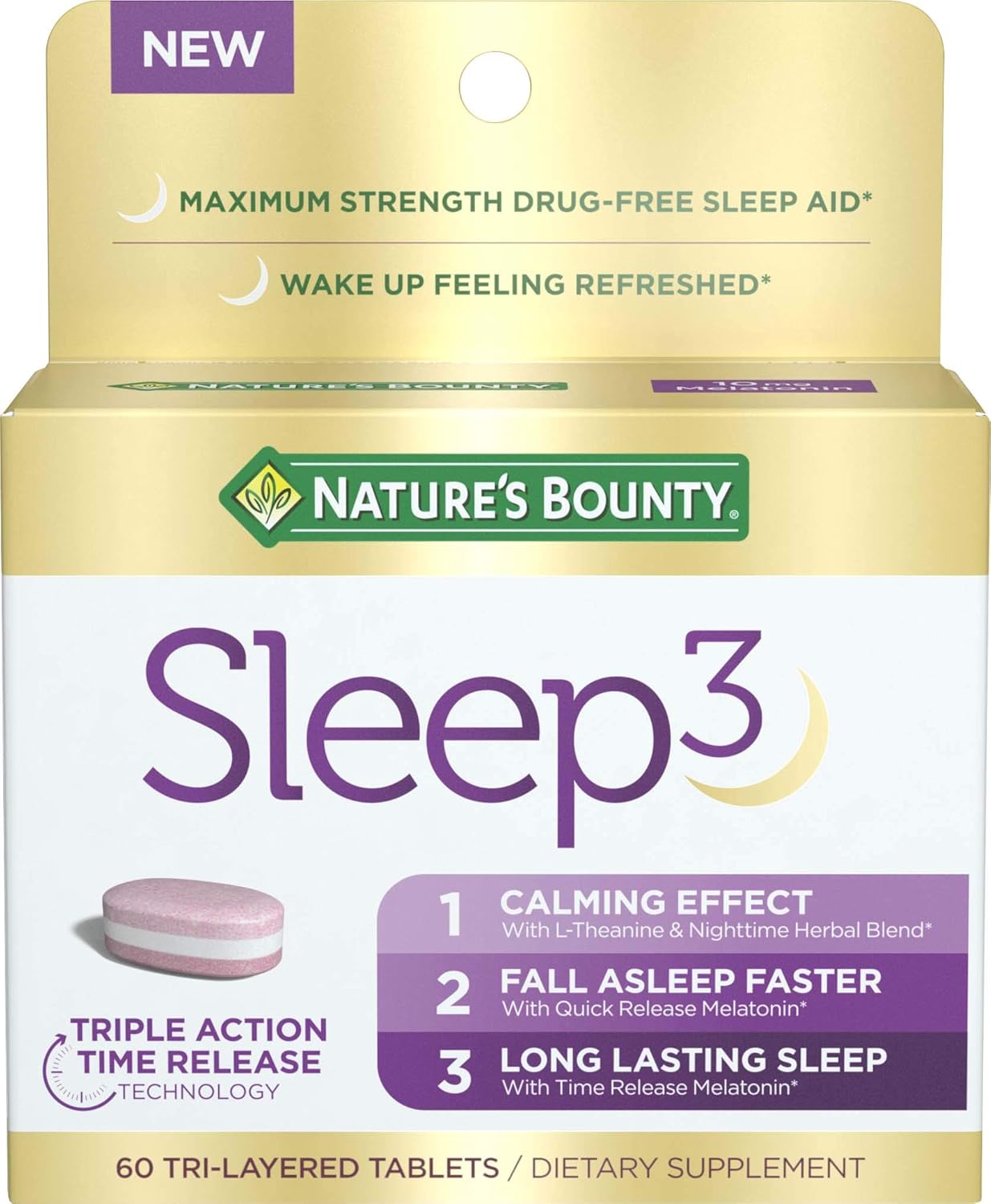
Check out quality supplements and melatonin options to support your sleep naturally.
Avoid:
- Caffeine after 2 PM
- Alcohol - fragments sleep quality
- Heavy meals 2-3 hours before bed
- Spicy or acidic foods
For more nutrition advice, explore our guide on best natural foods and pre and post-workout nutrition.

How to Boost Natural Melatonin
Melatonin is your "sleep hormone," controlled by light exposure.
Strategies to Increase Production:
- Get 15-30 minutes of morning sunlight exposure
- Dim lights 2 hours before bedtime
- Keep your bedroom completely dark
- Take a warm bath 1-2 hours before bed
Foods with Melatonin: Besides cherries, tomatoes, walnuts, oats, and rice contain small amounts. For additional support, consider diet books focused on sleep-promoting nutrition.
Supplements: While natural production is best, melatonin supplements can help when needed. Always consult your healthcare provider first. Learn more about melatonin health benefits.
Relaxation Techniques
4-7-8 Breathing: Inhale for 4, hold for 7, exhale for 8. Repeat 4 times. This activates your parasympathetic nervous system.
Progressive Muscle Relaxation: Tense and relax each muscle group for 5 seconds, working from feet to head.
Visualization: Imagine a peaceful place. Focus on sensory details—sounds, smells, sensations.
Gratitude Practice: List 3 things you're grateful for. This redirects thoughts to positive aspects of your day.
These techniques work even better when combined with other healthy habits. For stress management, check out our guides on stress-reducing foods and yoga health benefits.

When to Seek Help
The CDC recommends talking to your healthcare provider if you have:
- Insomnia lasting more than 3 weeks
- Loud snoring with breathing pauses
- Excessive daytime sleepiness
- Abnormal behaviors during sleep
- Significant impact on quality of life
Healthcare Professionals: Sleep medicine specialists, pulmonologists, psychologists trained in CBT for insomnia.
Treatments: Cognitive-behavioral therapy, CPAP devices for sleep apnea, medications when necessary.
Remember that about 70 million Americans are affected by sleep disorders, so you're not alone. Professional help can make a huge difference.
Frequently Asked Questions
How many hours of sleep do you need per day? Adults need 7-9 hours per night. Requirements vary by age: babies (12-16h), children (9-13h), teens (8-10h), and older adults (7-8h).
How do I create the ideal sleep environment? Keep your bedroom dark, quiet, and between 64-70°F. Use blackout curtains and invest in a comfortable mattress.
Which foods help you sleep better? Cherries, walnuts, almonds, fatty fish, and chamomile tea. Avoid caffeine after 2 PM and alcohol before bedtime.
When should I seek medical help for sleep problems? If you have insomnia for more than 3 weeks, loud snoring, excessive daytime sleepiness, or if problems affect your quality of life.
How can I boost natural melatonin production? Get morning sunlight exposure, dim lights 2 hours before bed, and keep your bedroom completely dark.

Conclusion
Good sleep isn't a luxury—it's a basic necessity for health and wellbeing. The strategies shared here are backed by solid science and tested by millions of people.
Start by implementing one or two techniques gradually. Incremental changes are more sustainable than radical transformations. Be patient—it can take several weeks for your body to adapt.
Quality sleep improves how you feel today and protects your long-term health. If problems persist, don't hesitate to seek professional help. Consider keeping a thermal bottle by your bedside with water at the right temperature, and explore our guide on foods that help you sleep better for additional support.
Want to learn more about optimizing your health? Check out our comprehensive weight loss guide, muscle gain guide, and tips on how to sleep better.
Sleep well, live better!