What Is Melatonin and Why It Matters for Your Health
Discover what melatonin is, how it works in your body, and why it's essential for regulating sleep naturally.
Wake up exhausted even after getting 8 hours of sleep? Take more than 30 minutes to fall asleep every single night? The problem might be your body's melatonin production.
Nearly two thirds of American adults have taken melatonin supplements, according to recent research. The good news? Understanding how melatonin works could be the key to transforming your nights and waking up refreshed every day.
In this complete guide, you'll discover exactly what melatonin is, how it regulates your biological clock, when supplementation makes sense, and the best ways to use this natural hormone. Get ready to sleep better starting in the next few weeks.


Summary
- What Is Melatonin: Your Sleep Conductor
- How Melatonin Works in Your Body
- Circadian Rhythm: The Clock That Runs Your Life
- Natural Production: Why It Declines Over Time
- Melatonin Benefits Beyond Sleep
- When Supplementation Makes Sense
- Types of Melatonin: Choosing the Right One
- How to Use Melatonin Correctly
- Frequently Asked Questions
- Conclusion
What Is Melatonin: Your Sleep Conductor
Melatonin is a natural hormone produced by the pineal gland, a small structure located in the center of the brain. Popularly known as the sleep hormone, it functions like a conductor coordinating the right moment for your body to rest.
But melatonin isn't just about falling asleep. It acts as a biological signal that tells your entire system it's time to slow down, preparing each system for the nighttime recovery period.
The Scientific Discovery
Melatonin was discovered back in 1958 when researchers identified it in the pineal gland of cattle. Since then, thousands of studies have revealed its fundamental role not just in sleep, but in health processes ranging from cellular protection to mood regulation.
The cool thing is that our bodies produce melatonin automatically and intelligently, responding directly to light and darkness cues from the environment. It's a perfect system that's evolved over millions of years.
Why It's Called the "Hormone of Darkness"
Unlike what many think, melatonin isn't exactly the "sleep hormone" — it's the "hormone of darkness". Its production kicks in when the absence of light is detected by your eye's retina.
This distinction matters: melatonin doesn't directly induce sleep, but facilitates it by creating ideal conditions. It lowers body temperature, reduces alertness, and creates the perfect internal environment for you to fall asleep naturally.
Primary functions of melatonin in the body:
- Regulates sleep-wake cycle and marks the start of biological night
- Syncs metabolic processes with the nighttime period
- Protects cells against oxidative damage during sleep
- Modulates body temperature to facilitate rest
- Influences secretion of other important hormones
How Melatonin Works in Your Body
The way melatonin acts is fascinating and involves a chain of perfectly synchronized events. It all starts with your eyes picking up decreased ambient light.
When the sun sets, specialized cells in the retina called photosensitive ganglion cells detect the change in brightness. This information travels through the optic nerve to a brain region called the suprachiasmatic nucleus — your body's true master clock.
The Path from Darkness to Sleep
Once your brain registers darkness, it sends signals to the pineal gland to start producing melatonin. This process typically begins between 8 PM and 9 PM for most people.
Melatonin then enters the bloodstream and spreads throughout your body. It binds to specific receptors in various organs and tissues, triggering a cascade of reactions that prepare you for sleep.
Peak blood concentration typically occurs between 2 AM and 3 AM. During this time, melatonin reaches its highest levels, keeping you in deep, restorative sleep.

How It Acts Throughout Your System
Melatonin doesn't work alone. It interacts with multiple body systems to ensure a quality night's sleep:
Body temperature reduction: Melatonin causes a slight drop in your core body temperature, about 0.5 to 1°F. This reduction is essential for initiating and maintaining deep sleep.
Suppression of alertness: It acts on neurons that keep you awake, reducing their activity. It's like gradually turning off your brain's surveillance systems.
Synchronizing biological rhythms: All organs follow activity cycles. Melatonin works like a spotlight marking the nighttime period, aligning all these cycles.
In the morning, when natural light hits your eyes, melatonin production is quickly suppressed. Your body then releases cortisol, the hormone that promotes alertness and prepares you for the day.
Time | Melatonin Level | Effect on Body |
|---|---|---|
6 AM - 6 PM | Very Low | Maximum alertness, high energy |
7 PM - 9 PM | Starting to Rise | Beginning sleep preparation |
10 PM - 2 AM | Maximum Peak | Deep, restorative sleep |
3 AM - 5 AM | Starting to Drop | Gradual preparation for waking |
Circadian Rhythm: The Clock That Runs Your Life
The circadian rhythm is your body's internal clock, a cycle of approximately 24 hours that regulates practically all physiological functions. And melatonin is the main gear in this clock.
This rhythm doesn't just control when you sleep and wake up. It influences your appetite, digestion, body temperature, blood pressure, hormone release, and even your mood throughout the day.
How Your Biological Clock Works
Your brain has a cluster of about 20,000 neurons grouped in the suprachiasmatic nucleus, which functions as the master clock. These neurons follow a pattern of electrical activity that repeats every 24 hours, even without light.
But the most impressive part is that virtually every cell in your body has its own molecular clock. Liver, muscle, heart, and intestine cells have independent activity and rest cycles.
Melatonin is the signal that synchronizes all these peripheral clocks with the master clock in the brain. When it's released at night, it informs all cells that the time has come to switch to "nighttime mode" of functioning.
What Happens When This Rhythm Gets Disrupted
Imagine working night shifts or frequently traveling across time zones. Your internal clock conflicts with external light and darkness signals, causing what we call circadian desynchronization.
The consequences go way beyond tiredness. Studies show that people with chronically dysregulated circadian rhythm have higher risk of developing obesity, type 2 diabetes, cardiovascular diseases, and even some types of cancer.
Signs your circadian rhythm is out of whack:
- Difficulty falling asleep at your desired time
- Frequent waking during the night
- Persistent tiredness even after sleeping 7-8 hours
- Hunger at unusual times or lack of morning appetite
- Unexplained mood changes throughout the day
- Difficulty concentrating during specific periods
The good news is that circadian rhythm can be reset. Strategic exposure to natural light in the morning, regular sleep routines, and when necessary, melatonin supplementation can restore your biological clock's harmony. For those looking to further improve sleep quality, check out our complete guide on sleep importance.

Natural Production: Why It Declines Over Time
Melatonin production isn't constant throughout life. It follows a characteristic curve that peaks in childhood and progressively declines as we age.
Kids around 10 years old hit maximum melatonin secretion levels. That's why young children usually sleep so deeply and for so many hours — their bodies produce abundant amounts of this hormone.
Natural Decline With Age
Starting around 30, your melatonin production capacity begins to gradually decrease. By age 50, many people produce only half the amount they generated in their youth.
This natural reduction explains why sleep disorders become more common in adults and the elderly. The pineal gland can calcify over time, reducing its efficiency in hormone synthesis.
But age isn't the only factor. Various elements of modern lifestyle directly interfere with melatonin production, even in young people.
Factors That Suppress Production
Nighttime artificial light exposure: Blue light emitted by smartphones, tablets, computers, and TVs is especially problematic. It tricks your brain into thinking it's still daytime, blocking melatonin release.
One study showed that using smartphones for just 2 hours before bed can suppress melatonin production by up to 55%. This delays sleep onset by an average of 1 hour and reduces rest quality.
Very bright environments: Even conventional lights at high intensity can interfere. The ideal is to gradually reduce home lighting in the last 2-3 hours before sleep.
Caffeine consumption: Caffeine has a half-life of 5-6 hours in the body. Consuming coffee, black tea, or energy drinks after 4 PM can interfere with nighttime melatonin secretion. Looking for healthier alternatives? Check out the benefits and risks of coffee.
Chronic stress: Elevated cortisol levels (stress hormone) inhibit melatonin production. It's an evolutionary mechanism — in dangerous situations, your body prioritizes alertness over sleep. Learn more about managing stress through foods.
Alcohol: Although it causes initial drowsiness, alcohol impairs sleep quality and suppresses melatonin production in the second half of the night, causing frequent awakenings. Discover more about alcohol's effects on health.
Age Range | Melatonin Production | Impact on Sleep |
|---|---|---|
0-10 years | Very High | 14-18 hours of quality sleep |
10-30 years | Maximum Peak | 8-10 hours of deep sleep |
30-50 years | Gradual Decline | 7-8 hours with possible difficulty |
Over 50 years | Significant Reduction | Insomnia and nighttime awakenings common |
Melatonin Benefits Beyond Sleep
While best known for its sleep role, melatonin offers a bunch of additional benefits many people don't know about. Recent research reveals this hormone is way more than just a drowsiness inducer.
Melatonin is one of the most potent antioxidants naturally produced by the human body. It fights free radicals and protects cells against oxidative damage that speeds up aging.
Nervous System Protection
Melatonin easily crosses the blood-brain barrier, reaching the brain where it exerts significant neuroprotective effects. It protects neurons against toxins and degenerative processes.
Preliminary studies suggest adequate melatonin levels may help reduce the risk of neurodegenerative diseases like Alzheimer's and Parkinson's. This happens because it reduces brain inflammation and prevents abnormal protein accumulation.
People in early stages of Alzheimer's disease frequently show altered melatonin production, with very low levels during the night. Supplementation is being studied as a way to improve these patients' sleep-wake cycle.
Immune System Strengthening
Melatonin modulates immune response, helping the body fight infections more effectively. It stimulates defense cell production and regulates inflammatory response.
During deep sleep, when melatonin is at high concentration, your immune system works intensely repairing tissues and fighting pathogens. That's why sleeping well is essential for staying healthy.
Other proven melatonin benefits:
- Reduces blood pressure in people with mild to moderate hypertension
- Alleviates migraine symptoms and tension headaches
- Improves gastroesophageal reflux symptoms by strengthening the esophageal valve
- Helps regulate mood and reduces anxiety symptoms
- May improve male and female fertility through antioxidant protection
Worth noting that these additional benefits usually require adequate and consistent melatonin levels over time. To further optimize your health while improving sleep, also consider optimizing your nutrition and maintaining a cardiovascular exercise routine. You might also want to explore quality supplements to support your wellness goals.
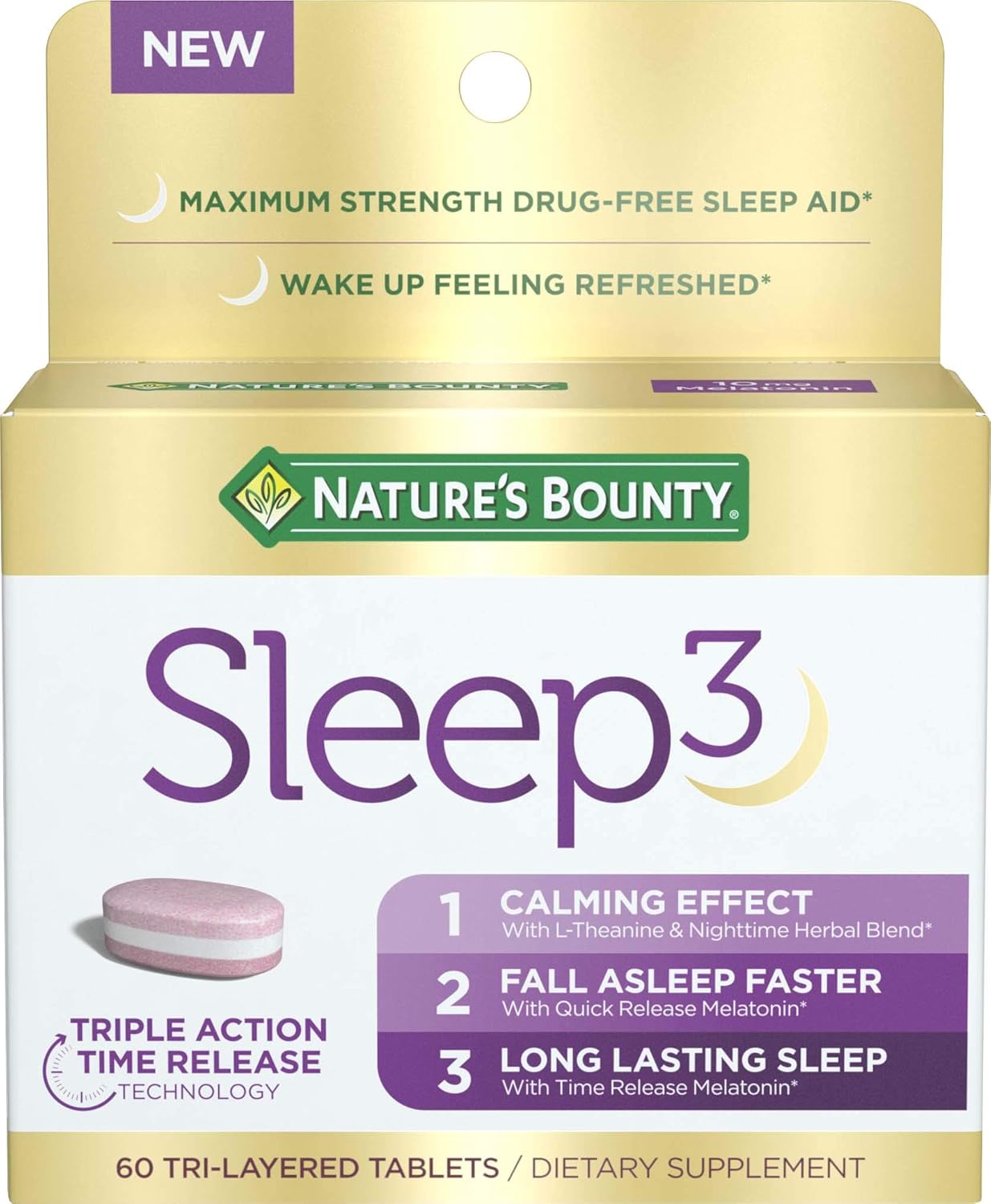
When Supplementation Makes Sense
Melatonin supplementation isn't necessary for everyone. Our bodies naturally produce sufficient amounts when we maintain healthy sleep and light exposure habits.
However, there are specific situations where supplementation can make a significant difference in your sleep quality and overall well-being.
Situations That Justify Use
Jet lag on international trips: When you cross multiple time zones, your biological clock becomes desynchronized. Taking melatonin at the new local time helps readjust your circadian rhythm more quickly.
Studies show supplementation can reduce jet lag symptoms by half. The ideal approach is to start taking it 1-2 days before travel and continue for 3-4 days after arrival.
Alternating shift work: Healthcare, security, and industry professionals who work varying hours suffer from constant sleep dysregulation. Melatonin can help induce sleep at unconventional times.
Delayed sleep phase syndrome: Some folks have a naturally delayed biological clock. They can only fall asleep in the wee hours and wake up late, even when trying to change. Taking melatonin earlier can gradually adjust this pattern.
Age-related insomnia: As we've seen, natural production decreases after 50. Many older adults benefit from supplementation to improve sleep quality.
When NOT to Use Melatonin
The FDA has established important contraindications that should be respected:
Under 19 years old: In the United States, melatonin is available over-the-counter but should be used cautiously in children. Most sleep problems in this age group have behavioral origins and should be treated with sleep hygiene, not supplementation.
Pregnant and nursing women: There aren't enough studies about safety during pregnancy and breastfeeding. The hormone can affect fetal development and milk production.
Autoimmune diseases: Melatonin stimulates the immune system, which can worsen conditions like lupus, rheumatoid arthritis, and multiple sclerosis. In these cases, use only with rigorous medical supervision.
Uncontrolled diabetes: Melatonin can alter blood glucose levels. Diabetics should carefully monitor glucose when starting supplementation.
Blood thinner use: There's risk of interaction with medications like warfarin, increasing bleeding chance. Always inform your doctor about supplements you're using.
Epilepsy: Melatonin may interfere with anticonvulsant medications and potentially increase seizure risk in some people.
Types of Melatonin: Choosing the Right One
The market offers various melatonin presentations, each with specific absorption and effect duration characteristics. Choosing the right type can make all the difference in results.
Sublingual Tablets
Sublingual tablets are designed to dissolve under your tongue, allowing melatonin to be absorbed directly through the oral mucosa and quickly enter the bloodstream.
Time of action: 15 to 30 minutes after administration.
Ideal for: People with difficulty initiating sleep but who sleep well once asleep. They're also excellent for those with gastric issues that may affect capsule absorption.
Sublingual absorption bypasses first-pass hepatic metabolism, making more of the hormone reach the brain in active form.
Immediate-Release Capsules
Conventional capsules need to be swallowed and are absorbed in the small intestine. Melatonin is then processed by the liver before reaching systemic circulation.
Time of action: 45 to 60 minutes after ingestion.
Effect duration: 4 to 6 hours on average.
Ideal for: General use when there's no extreme urgency to fall asleep. They're the most common and usually most affordable on the market.

Extended-Release Formulas
Also known as "time-release" or "sustained release," these formulas release melatonin gradually over 6-8 hours. Part is released immediately, and the rest in a controlled manner during the night.
Ideal for: People who fall asleep easily but wake up several times during the night. Maintains stable melatonin levels for longer.
Studies show extended-release formulas better reproduce the hormone's natural secretion pattern, potentially offering higher quality sleep.
Sublingual Drops
Drops are applied directly under the tongue and offer the advantage of allowing fine dosage adjustment. You can start with smaller doses and increase as needed.
Time of action: 15 to 25 minutes.
Ideal for: People who need to test different dosages to find the ideal one, or those who have difficulty swallowing pills.
Market-Available Dosages
In the United States, the FDA regulates allowed melatonin dosages in supplements. The most common concentrations are:
- 0.5 mg: Lower dose, ideal for starting supplementation
- 1 mg: Moderate dose for general use
- 3 mg: Most common and scientifically studied dose
- 5 mg: High dose, usually for specific cases
- 10 mg: Maximum dose, used only under professional guidance
Important: More doesn't mean better. Small doses can be effective. Studies show doses between 0.5 mg and 3 mg are as effective as larger doses for most people, with less risk of side effects.
How to Use Melatonin Correctly
Using melatonin the right way is just as important as choosing the right type. Timing, dosage, and associated habits make all the difference in results.
Ideal Administration Time
The right moment to take melatonin depends on your goal. To improve regular sleep, take it 1 to 3 milligrams two hours before bedtime.
If you want to sleep at 10 PM, take melatonin between 8 PM and 8:30 PM. This allows the hormone to reach adequate blood levels when you lie down.
For jet lag or circadian rhythm adjustment, timing may vary. When traveling east (gaining hours), take melatonin at the new local time before sleeping. When traveling west (losing hours), you may need to take it later.
Starting With the Right Dose
Always start with the smallest effective dose. For most adults, 0.5 mg to 1 mg is sufficient to notice benefits. If after one week you don't notice improvement, you can gradually increase up to 3 mg.
Doses above 5 mg rarely offer additional benefits and increase risk of morning drowsiness, headaches, and vivid dreams or nightmares.
Recommended protocol for beginners:
- Week 1: 0.5 mg 1 hour before sleep
- Week 2: If necessary, increase to 1 mg
- Week 3-4: If still insufficient, test 2-3 mg
- Maintain the lowest dose that provides satisfactory results
Recommended Duration of Use
Melatonin works best when used intermittently or for limited periods. Continuous use for more than 3 months without a break or medical reevaluation isn't recommended.
A common protocol is to use it for 4-6 weeks, take a 1-2 week break, and reassess if there's still a need. During the break, observe if circadian rhythm remains regulated or if symptoms return.
For specific situations like jet lag, use only during the necessary adjustment period — usually 3-5 days.

Habits That Boost the Effect
Melatonin isn't a magic solution. It works best when combined with good sleep hygiene practices:
Reduce blue light exposure: Turn off smartphones, tablets, and computers at least 1 hour before sleep. If you need to use them, activate night mode that filters blue light.
Create a conducive environment: Dark, quiet, cool bedroom (temperature between 64-70°F) is ideal. Use blackout curtains if necessary and consider earplugs if there's external noise. Consider using an air purifier to improve air quality.
Establish a routine: Go to bed and wake up at the same time every day, including weekends. This reinforces natural circadian rhythm.
Avoid caffeine after 2 PM: Caffeine's half-life is long enough to interfere with sleep even when consumed mid-afternoon. Learn more about caffeine's effects.
Practice regular physical activity: Exercise improves sleep quality, but avoid intense workouts in the 3 hours before bed. For those looking to improve fitness while optimizing sleep, check out our guide on best gym workouts.
Interactions and Precautions
Melatonin can interact with some medications and substances:
Sedatives and anxiolytics: Effect may be potentiated, causing excessive drowsiness.
Anticoagulants: May increase bleeding risk when used with warfarin.
Immunosuppressants: Melatonin stimulates the immune system, potentially reducing these medications' efficacy.
Birth control pills: May increase melatonin levels in blood, potentializing effects and side effects.
Alcohol: Significantly reduces melatonin's effectiveness and impairs sleep quality even when there's initial drowsiness.
Always inform your doctor about all supplements you use, especially before surgical procedures, as melatonin can affect blood clotting.

Signs It's Working
You should notice gradual improvements over the first 1-2 weeks. Signs include:
- Falling asleep faster (15-30 minute reduction in time)
- Fewer nighttime awakenings
- Feeling more rested upon waking
- More energy and alertness during the day
- Improved mood and concentration
If after 3-4 weeks you don't notice any difference, melatonin may not be the right solution for your case. Sleep problems can have various causes — anxiety, apnea, restless leg syndrome — requiring different approaches.
Frequently Asked Questions
What is melatonin and what does it do?
Melatonin is a natural hormone produced by the pineal gland in your brain. Its main job is regulating your sleep-wake cycle, telling your body when it's time to hit the hay. Plus, it's got antioxidant and anti-inflammatory properties and helps sync your biological clock with day-night patterns.
What's the best time to take melatonin?
The sweet spot is 30 to 60 minutes before bedtime, typically between 7 PM and 9 PM for most folks. This timing lets the hormone peak right when you're ready to catch some Z's, working with your body's natural circadian rhythm.
Does melatonin have side effects?
When you stick to recommended doses and don't overdo it, melatonin's usually pretty well-tolerated. The most common side effects, if they happen at all, include mild daytime drowsiness, headaches, dizziness, and nausea. Always check with a healthcare pro before starting supplementation.
How long does melatonin take to kick in?
Sublingual tablets work in 15 to 30 minutes, while regular capsules take about 60 minutes. Extended-release formulas work gradually throughout the night, keeping levels steady for continuous sleep.
Does melatonin make you gain or lose weight?
Melatonin doesn't cause weight gain. Studies actually show it may have beneficial effects on weight regulation, helping control hunger and energy metabolism. Some researchers consider melatonin helpful in managing obesity. For a complete approach to weight management, check out our weight loss guide.
Who shouldn't take melatonin?
Pregnant women, nursing mothers, anyone under 19, people with autoimmune diseases, uncontrolled diabetics, and those on blood thinners should avoid it or only use it under medical supervision. The FDA has specific restrictions to ensure safe use.
Is melatonin addictive or habit-forming?
There's no scientific evidence that melatonin causes physical dependence or addiction when used properly. Unlike sleeping pills, it doesn't mess with your sleep structure or create tolerance. However, use should be guided by a healthcare professional.
Can I take melatonin every day?
Melatonin can be used daily for periods up to 3 months. After that period, it's recommended to take a 2-4 week break to reassess need. Prolonged continuous use should be monitored by a healthcare professional to ensure there's no psychological dependence or masking of underlying problems.
Conclusion
Melatonin is way more than just a sleep supplement — it's the conductor coordinating your biological clock and influencing various aspects of your health. Understanding how it naturally works in your body is the first step to using supplementation intelligently and safely.
Remember: melatonin works best when combined with good sleep habits, adequate natural light exposure during the day, and reduced artificial light at night. Supplementation is a valuable tool, not an isolated solution.
If you're facing persistent sleep problems, start by making lifestyle changes and consider melatonin as additional support. For those already maintaining good practices, keep exploring ways to optimize each sleep stage and also consider how your nutrition and stress levels impact your rest.
Looking to create a complete wellness routine? Don't forget to stay hydrated with plenty of water throughout the day, consider quality diet books for meal planning ideas, and keep your water fresh with a thermal bottle. You might also explore our guides on yoga and meditation for additional relaxation techniques.