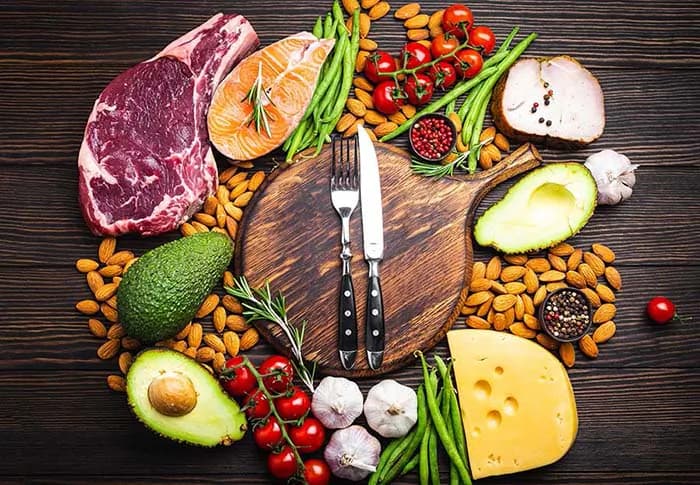
Top Natural Foods to Transform Your Health
Discover the world's healthiest foods backed by science. From almonds to salmon, learn what to eat for optimal health.
Did you know some foods can completely transform your health? We're not talking about expensive supplements or trendy diets. These are natural foods that science has proven to be genuine superfoods.
Mayo Clinic established a list of the world's healthiest foods. The best part? Most are foods you already know or can easily find at your local grocery store.
In this article, I'm sharing the 10 best natural foods that can revolutionize your eating habits. Small tweaks in your diet can lead to massive improvements in your health and well-being.




Summary
- How These Top Foods Were Chosen
- 1. Almonds - The Most Nutritious Food
- 2. Apples - The Perfect Fruit
- 3. Blueberries - Antioxidant Powerhouse
- 4. Broccoli - The Anti-Disease Vegetable
- 5. Kidney Beans - Plant-Based Protein
- 6. Salmon - Natural Omega-3
- 7. Spinach - Iron and Vitamins
- 8. Sweet Potatoes - Smart Carbs
- 9. Vegetable Juices - Nutritional Concentrate
- 10. Wheat Germ - Small but Mighty
- How to Add Them to Your Routine
- FAQ
- Conclusion
How These Top Foods Were Chosen
Mayo Clinic researchers used specific criteria to establish this ranking:
High nutrient density: Each food packs tons of vitamins, minerals, and antioxidants with minimal calories. Think of it as a "nutritional investment" - maximum benefits with minimum calories.
Disease-fighting ability: All have been shown to reduce the risk of chronic diseases like diabetes, heart problems, and certain types of cancer.
Accessibility: They're easy to find and can be easily incorporated into different recipes.
1. Almonds - The Most Nutritious Food
If you had to pick just one food to always have on hand, almonds would be the smartest choice. According to scientific studies, they scored 97/100 in nutrient density.
The Benefits of Almonds
In just 1 ounce (23 almonds), you get:
- 6 grams of high-quality protein
- 14 grams of healthy fats
- 37% of your daily vitamin E needs
- 20% of your daily magnesium requirement
Almonds promote heart health, help control blood sugar, and support weight loss. Despite being calorie-dense, studies show regular consumption actually helps with weight management.
How to Eat Almonds
The easiest way is to grab a handful (23 almonds) as a snack. You can also add them to salads, mix with yogurt, or use almond flour in recipes. If you're looking for quality options, check out these supplements to complement your nutrition.
For those pursuing weight loss strategies, almonds provide satiety and control hunger between meals.
2. Apples - The Perfect Fruit
The saying "an apple a day keeps the doctor away" has scientific backing. Apples are one of the most complete fruits out there.
Nutritional Benefits of Apples
One medium apple (about 6 oz) provides:
- 25% of your daily fiber needs
- 14% of recommended vitamin C
- Quercetin (powerful antioxidant)
- Pectin (helps control cholesterol)
Apple fiber regulates blood sugar, causing sugars to be absorbed slowly. This prevents blood sugar spikes.
Important Tip
Always eat the apple with the peel, where antioxidants and fiber are concentrated. If you're worried about pesticides, go organic or wash well with baking soda.
3. Blueberries - Antioxidant Powerhouse
Blueberries may be tiny, but they pack a massive antioxidant punch. This fruit ranks among the world's top sources of antioxidants.
Why Blueberries Are Special
In 3.5 ounces of blueberries:
- Abundant anthocyanins (blue pigment)
- 22mg of vitamin C
- 5 grams of fiber
- Only 57 calories
Anthocyanins have anti-inflammatory properties and improve brain, eye, and heart health. Studies show regular consumption improves memory and slows cognitive aging.
Ways to Eat Blueberries
- At breakfast with yogurt or oatmeal
- As a snack between meals
- In smoothies and healthy shakes
You can also find quality melatonin supplements that complement your overall wellness routine, especially if you're working on improving your sleep quality.
4. Broccoli - The Anti-Disease Vegetable
If there's one veggie that deserves the title "natural medicine," it's broccoli. This cruciferous vegetable contains unique compounds that fight various diseases.
Broccoli's Nutritional Power
One cup of cooked broccoli (about 5 oz) offers:
- 245% of your daily vitamin K needs
- 135% of recommended vitamin C
- 14% of needed calcium
- Sulforaphane (anticancer properties)
Sulforaphane has been shown to reduce the risk of prostate, breast, and colon cancer. Broccoli is also excellent for bone health.
How to Prepare Correctly
To maximize nutrients:
- Steam for no more than 5 minutes
- Avoid boiling in water (destroys 50% of nutrients)
- Add olive oil to improve vitamin absorption
For those interested in natural foods for optimal health, proper cooking methods make all the difference.
5. Kidney Beans - Plant-Based Protein
Kidney beans are one of the best sources of plant-based protein, especially important for vegetarians, but beneficial for everyone.
Benefits of Kidney Beans
One cup cooked (about 6 oz) contains:
- 15 grams of high-quality protein
- 13 grams of fiber
- 20% of recommended iron
- 45% of daily folate needs
Their low glycemic index releases energy slowly, maintaining satiety and controlling blood sugar.
Tips for Better Digestion
- Soak for 8 hours before cooking
- Change the water several times during cooking
- Add cumin during preparation
- Start with smaller portions
6. Salmon - Natural Omega-3
Salmon is probably the most famous fish for healthy eating. It's one of the best natural sources of omega-3 fatty acids.
The Benefits of Salmon
A 3.5 oz serving offers:
- 25 grams of complete protein
- 2.3 grams of omega-3 (EPA and DHA)
- 59% of daily vitamin D needs
- Astaxanthin (powerful antioxidant)
Omega-3s are crucial for brain health, improving memory, focus, and mood. People who regularly eat fish have lower rates of depression.
How to Choose Salmon
- Prefer wild-caught salmon (more omega-3s)
- Bake or grill it
- Avoid frying
- Consume 2-3 times per week
Learn more about omega-3 benefits for your health. You can also check out quality whey protein options to complement your protein intake.
7. Spinach - Iron and Vitamins
Spinach is one of the most nutritious leafy greens. Rich in iron, vitamins, and essential minerals for the whole family.
Spinach's Nutritional Profile
One cup raw (about 1 oz) contains:
- 181% of daily vitamin K needs
- 56% of recommended vitamin A
- 15% of needed folate
- Only 7 calories
It's especially important for women of childbearing age due to folate, essential during pregnancy.
How to Improve Iron Absorption
- Combine with vitamin C (lemon, tomato)
- Avoid tea and coffee with meals
- Cook lightly to aid digestion
8. Sweet Potatoes - Smart Carbs
Sweet potatoes are "smart carbs." They provide sustained energy without blood sugar spikes.
Why Sweet Potatoes Are Superior
One medium sweet potato (about 5 oz) provides:
- 112% of daily vitamin A needs
- 26% of recommended vitamin C
- 4 grams of fiber
- Moderate glycemic index (54)
Vitamin A is essential for eye health and immune system function. Its orange color indicates high beta-carotene concentration.
Ways to Eat Them
- Baked in the oven with skin
- In mashes as a substitute for regular potatoes
- As healthy oven-baked chips
- In sweet smoothies
It's an excellent pre-workout option. Check out more about pre and post-workout nutrition.
9. Vegetable Juices - Nutritional Concentrate
Fresh vegetable juices are a concentrated way to get vitamins, minerals, and antioxidants. When prepared properly, they're genuine health elixirs.
Benefits of Vegetable Juices
They offer:
- High concentration of easily absorbed nutrients
- Lycopene (tomato juice) that reduces cancer risk
- Natural nitrates that improve circulation
- Live enzymes that aid digestion
Best Combinations
- Green juice: spinach, kale, apple, and lemon
- Antioxidant juice: carrot, beet, and ginger
- Detox juice: cucumber, celery, lemon, and mint
Important Precautions
- Consume immediately after preparation
- Don't replace complete meals
- Include vegetables of different colors
- Add some pulp (fiber)
Using a quality water purifier ensures your juices start with clean, filtered water.
10. Wheat Germ - Small but Mighty
Wheat germ is the most nutritious part of the grain, where nutrients for germination are concentrated. Small, but nutritionally mighty.
The Power of Wheat Germ
Two tablespoons (0.5 oz) contain:
- 4 grams of complete protein
- 15% of daily vitamin E needs
- 10% of recommended folate
- Zinc, iron, and magnesium
It's especially rich in vitamin E, an important antioxidant that protects cells against aging. It also contains octacosanol, which may improve physical performance.
How to Include in Your Diet
- Sprinkle over fruit or yogurt at breakfast
- Add to smoothies
- Mix into whole grain bread dough
- Combine with morning cereals
Storage Tips
- Keep refrigerated after opening
- Use within 6 months
- Prefer smaller packages
For additional nutrition resources, browse these diet books and cooking recipe books for healthy meal ideas.
How to Add Them to Your Routine
Now that you know the 10 best foods, here's how to incorporate them into your daily life practically:
Practical Tips for Success
Planning is key: Dedicate one day a week to meal planning and grocery shopping. This prevents impulsive decisions.
Prep ahead: Wash and cut vegetables as soon as you get home from the store. Cook grains in larger quantities and freeze in portions.
Start gradually: Don't try to include all foods at once. Pick 2-3 to start with and gradually add others.
For a complete transformation, check out our complete low-carb diet guide. Staying hydrated is crucial too - keep a quality thermal bottle handy throughout the day.
For those looking to optimize their supplement routine, consider quality creatine to support your fitness goals. Learn more about how creatine works and its benefits.
FAQ
What's the most nutritious food in the world according to science?
Almonds are considered the most nutritious food, scoring 97/100 in nutrient density according to scientific research.
How many almonds should I eat per day?
About 23 almonds (1 ounce or 30 grams) per day is recommended, providing protein, healthy fats, and vitamin E without excess calories.
How can I include broccoli in my diet without losing nutrients?
Steam for no more than 5 minutes. Avoid boiling in water, which can destroy up to 50% of the nutrients.
Is salmon better than other fish for health?
Yes, salmon is rich in omega-3s, vitamin D, and complete protein. Choose wild-caught salmon when possible.
Can I replace meals with vegetable juices?
It's not recommended to replace meals with juices. Use them as nutritional supplements, always fresh and with a variety of vegetables.
Conclusion
We've reached the end of our journey through the 10 best natural foods. Healthy eating doesn't have to be complicated or expensive. Many of the most nutritious foods are accessible and easy to find.
The secret is consistency and variety. Including these foods regularly in your diet, combined with an active lifestyle, makes an impressive difference in your health.
Your Next Steps
- Choose 3 foods from this list to include this week
- Plan meals ahead to ensure variety
- Try new recipes to keep things interesting
- Track how you feel as you incorporate these foods
To continue your health journey, also explore our articles on how to build muscle and foods that reduce stress.
Improving indoor air quality can also boost your health - consider getting an air purifier for your home. Additionally, understanding essential vitamins and proper daily water intake rounds out a comprehensive health approach.
Transforming your health through nutrition is a journey. Every healthy choice you make today is an investment in your future well-being. Start right now!