Coconut: Why It's One of Nature's Best Superfoods
Discover the amazing health benefits of coconut. Complete guide on types, ways to consume, and how to add to your diet.
Did you know that a single 3-ounce serving of coconut delivers 7 grams of fiber and can keep you feeling full for hours? This tropical fruit isn't just tasty—it's considered one of the 10 most versatile and nutritious foods on the planet.
Lots of folks avoid coconut thinking it's all fat and calories. Here's the surprising truth: coconut's fats are different from most foods, and your body processes them uniquely, turning them into quick energy instead of storing them as body fat.
In this complete guide, you'll discover why nutritionists call coconut a "tropical superfood" and how to include it in your routine guilt-free. We'll reveal 8 science-backed benefits, the best ways to eat it, and exactly how much you should consume daily.


Summary
- Why Coconut Is Considered a Superfood
- Nutritional Breakdown: What's Inside Coconut
- 8 Science-Backed Health Benefits of Coconut
- Types and Ways to Consume Coconut
- How to Add Coconut to Your Diet Without Overdoing It
- Important Precautions and Contraindications
- Frequently Asked Questions
- Conclusion
Why Coconut Is Considered a Superfood
Coconut grows in over 90 tropical countries and has been used for thousands of years by coastal populations. No wonder why—few fruits offer so many possibilities and concentrated nutritional benefits in a single food.
The coconut palm, scientifically known as Cocos nucifera, is considered one of the most useful trees for humans. Pretty much everything can be used: the water, meat, oil, shell, and even the outer fibers.
What Makes Coconut So Special
The secret lies in coconut's unique fat composition. Unlike other saturated fat sources, coconut contains mostly medium-chain fatty acids, also called MCTs.
These MCTs have a smaller molecular structure that makes digestion easier. When you eat coconut, these fats go straight to your liver, where they're quickly converted to energy. That's why athletes and keto dieters love adding coconut to their meals.
What sets coconut apart:
- Only fruit that combines natural isotonic water and nutritious meat
- Contains all 9 essential amino acids in small amounts
- Rich in antioxidants that fight free radicals
- Natural source of electrolytes (potassium, magnesium, calcium)
- Versatile: can be consumed 6 different ways
Beyond nutritional perks, coconut has natural antimicrobial, antiviral, and antifungal properties. These characteristics help strengthen your immune system and protect against infections.
For anyone seeking natural and nutritious foods, coconut stands out as a versatile option that can replace many processed products in your diet. Studies show that coconut's medium-chain triglycerides go directly to your liver, giving your body an almost immediate energy boost.
Nutritional Breakdown: What's Inside Coconut
Understanding coconut's nutritional profile helps you get the most out of its benefits. The composition varies quite a bit between the water and meat, offering different advantages depending on how you consume it.
Nutritional Values of Coconut Meat
A 3-ounce serving of fresh coconut meat provides approximately:
Nutrient | Amount (3 oz) | % Daily Value |
|---|---|---|
Calories | 283 kcal | 14% |
Total Fat | 27g | 35% |
Fiber | 7g | 28% |
Protein | 3g | 6% |
Carbohydrates | 10g | 3% |
Coconut is exceptionally rich in essential minerals. This same serving delivers 60% of your daily manganese needs, 44% of copper, 15% of selenium, and 13% of phosphorus. These minerals are crucial for energy metabolism, bone formation, and cardiovascular health.
Research shows that coconut is especially high in manganese, which is essential for bone health and the metabolism of carbohydrates, proteins, and cholesterol.
Coconut Water: Natural Hydration
Coconut water has a completely different profile from the meat. Made up of 93% water, it's naturally low in calories and packed with electrolytes.
An 8-ounce serving of coconut water contains:
- Just 45 calories
- 600mg of potassium (17% daily value)
- 60mg of magnesium (15% daily value)
- 57mg of calcium (6% daily value)
- Virtually zero fat
These electrolytes make coconut water a superior rehydrating drink compared to manufactured sports drinks for most people. According to studies, coconut water showed no significant difference in rehydration compared to sports drinks and plain water after exercise, while being more natural and containing less artificial ingredients.
It's especially valuable after moderate workouts or on hot days. If you're looking to optimize your diet for better performance, quality supplements and natural hydration sources like coconut water can make a real difference.
The Famous MCTs in Coconut
About 50% of coconut's fat comes from lauric acid, a medium-chain fatty acid with unique properties. When digested, lauric acid transforms into monolaurin, a compound with antibacterial and antiviral action.
Coconut's MCTs are metabolized differently from regular fats. They don't need bile for digestion and go straight to the liver, where they're quickly turned into energy. That's why they're rarely stored as body fat.
Research confirms that medium-chain fatty acids are absorbed differently and have been associated with several health benefits, including improvements in cognitive function and a more favorable lipid profile.
8 Science-Backed Health Benefits of Coconut
Scientific research has confirmed what tropical populations have known for centuries: coconut offers real advantages for your body. Let's explore the most important benefits and how they work in practice.
1. Improves Heart Health
It might seem counterintuitive, but coconut can protect your heart. The lauric acid in coconut significantly increases HDL levels—the good cholesterol. Studies show this HDL boost helps remove bad cholesterol from your arteries.
A randomized controlled trial involving adults with metabolic syndrome showed that virgin coconut oil consumption significantly reduced triglyceride and fasting blood sugar levels while increasing HDL cholesterol levels.
Coconut's potassium also helps by relaxing blood vessel walls, improving elasticity, and helping control blood pressure. This reduces the risk of hypertension and related cardiovascular problems.
2. Speeds Up Metabolism and Aids Weight Control
Coconut's medium-chain fats have a thermogenic effect—your body burns more calories processing them. That means you're burning more calories just from digestion.
Plus, MCTs increase feelings of fullness. Eating coconut in the morning can reduce hunger throughout the day, naturally decreasing your total calorie intake.
One important detail: this effect works best with moderate consumption. Overdoing coconut can add extra calories that cancel out the benefits. The key is using coconut strategically, replacing less healthy fat sources. Learn more about effective strategies in our weight loss guide.

3. Strengthens Your Immune System
Coconut's lauric acid has proven antimicrobial, antiviral, and antifungal properties. When digested, it becomes monolaurin, a compound that fights harmful bacteria, viruses, and fungi.
This action helps your body defend against infections and reduces inflammation. The result: fewer colds, flus, and opportunistic infections throughout the year.
The vitamins C and E in coconut work as additional antioxidants, protecting your cells from oxidative damage and further strengthening your natural immunity.
4. Improves Gut and Digestive Health
The 7 grams of fiber in each 3-ounce serving of coconut works wonders for your gut. These fibers increase stool bulk and stimulate the peristaltic movements that move waste through your system.
For folks struggling with constipation, eating coconut in the morning can be a natural solution. The combo of fiber and MCTs eases bowel movements without causing discomfort.
Coconut's fiber also acts as a prebiotic, feeding the beneficial bacteria in your gut. This improves your intestinal microbiota balance, essential for digestion, nutrient absorption, and even mood. Check out our guide on lactobacillus and gut health for more on this topic.
5. Stabilizes Blood Sugar Levels
Coconut's low glycemic index and high fiber content help control blood glucose spikes. This is particularly valuable for people with type 2 diabetes or prediabetes.
Eating coconut on an empty stomach can beneficially alter certain gut bacteria that control blood sugar levels. This indirect action contributes to better insulin sensitivity over time.
Coconut's fats also slow carbohydrate absorption, preventing sugar from rapidly entering your bloodstream. That means more stable energy and less hunger between meals.
6. Protects Skin and Hair
Coconut oil is one of the most effective natural moisturizers out there. It creates a protective barrier that prevents water loss from skin, keeping it soft and hydrated longer.
Loaded with vitamin E and antioxidants, coconut fights the free radicals responsible for premature aging. Regular application can reduce wrinkles, fine lines, and sagging, keeping your skin looking youthful.
For hair, coconut oil penetrates deep into the hair shaft, repairing damage and sealing the cuticles. This results in stronger, shinier hair that's less prone to breakage.

7. Provides Quick and Sustained Energy
Athletes and intense exercisers have discovered coconut as an exceptional energy source. MCTs are absorbed and metabolized quickly, providing immediate fuel for muscles and brain.
Unlike simple carbs that cause energy spikes and crashes, coconut offers more stable energy. You don't get that sharp drop that comes after consuming refined sugar.
This characteristic makes coconut ideal to eat before cardiovascular exercise or activities requiring prolonged concentration. For those doing intermittent fasting or following low-carb diets, coconut is a strategic choice. You might also benefit from creatine supplementation for enhanced energy during workouts.
8. Improves Brain Health and Memory
Studies suggest coconut's medium-chain fatty acids can benefit cognitive function. They provide an alternative energy source for the brain, especially important in conditions like Alzheimer's.
A pilot study found that a coconut oil-enriched Mediterranean diet improved cognitive functions such as episodic memory, temporal orientation, and semantic memory in Alzheimer's patients.
Coconut also contains compounds that reduce brain inflammation, a factor associated with various neurodegenerative diseases. Eating coconut regularly could be a preventive strategy for keeping your brain healthy longer.
Types and Ways to Consume Coconut
Coconut is one of the most versatile foods out there. Each form of consumption offers specific benefits and adapts to different needs and preferences. Let's explore the main options and when to use each one.
Young Coconut: Natural Hydration
Young coconut is harvested before it fully matures, between 5 and 6 months old. At this stage, it contains the most water and soft, jelly-like flesh.
Characteristics of young coconut:
- Smooth green or yellowish shell
- 8-16 oz of water per coconut
- Soft flesh you can easily eat with a spoon
- Mild, slightly sweet taste
Young coconut water is the purest way to consume the fruit's natural electrolytes. It's perfect for drinking after physical activity, on hot days, or when you need quick rehydration. No added sugars, dyes, or preservatives.
The jelly-like flesh of young coconut has fewer calories than mature flesh, making it a great option for folks wanting coconut's benefits with less calorie impact. You can add it to smoothies, shakes, or eat it straight.
Mature Coconut: Concentrated Nutrition
Mature coconut is the ripe fruit, at 11 to 12 months old. At this stage, the water decreases and the flesh becomes firm, white, and aromatic, with much higher concentrations of fats and nutrients.
Advantages of mature coconut:
- Firm flesh rich in healthy fats
- High fiber content (7g per 3 oz)
- Can be stored for months without refrigeration
- Versatile for various preparations
Mature coconut flesh can be eaten raw, shredded, toasted, or dehydrated. Each form keeps most nutrients but slightly changes flavor and texture.
Type of Coconut | Calories (3.5 oz) | Best Use |
|---|---|---|
Young Coconut (flesh) | ~150 kcal | Smoothies and desserts |
Mature Coconut (fresh flesh) | ~354 kcal | Direct consumption or shredded |
Dried Coconut | ~660 kcal | Snacks and recipes |
Coconut Water | ~19 kcal | Post-workout hydration |
Coconut Milk: Plant-Based Creaminess
Coconut milk is made by blending mature coconut flesh and mixing it with water. The result is a creamy, thick liquid rich in healthy fats.
It's an excellent alternative for folks with lactose intolerance or following a vegan diet. In cooking, coconut milk adds creaminess and flavor to soups, curries, sauces, and desserts without dairy products.
Commercial coconut milk comes in light versions (less fat) or full-fat. To get maximum benefits, choose versions without added sugar and fewer additives. You can also make your own coconut milk at home by blending shredded coconut with warm water.
Coconut Oil: Functional Fat
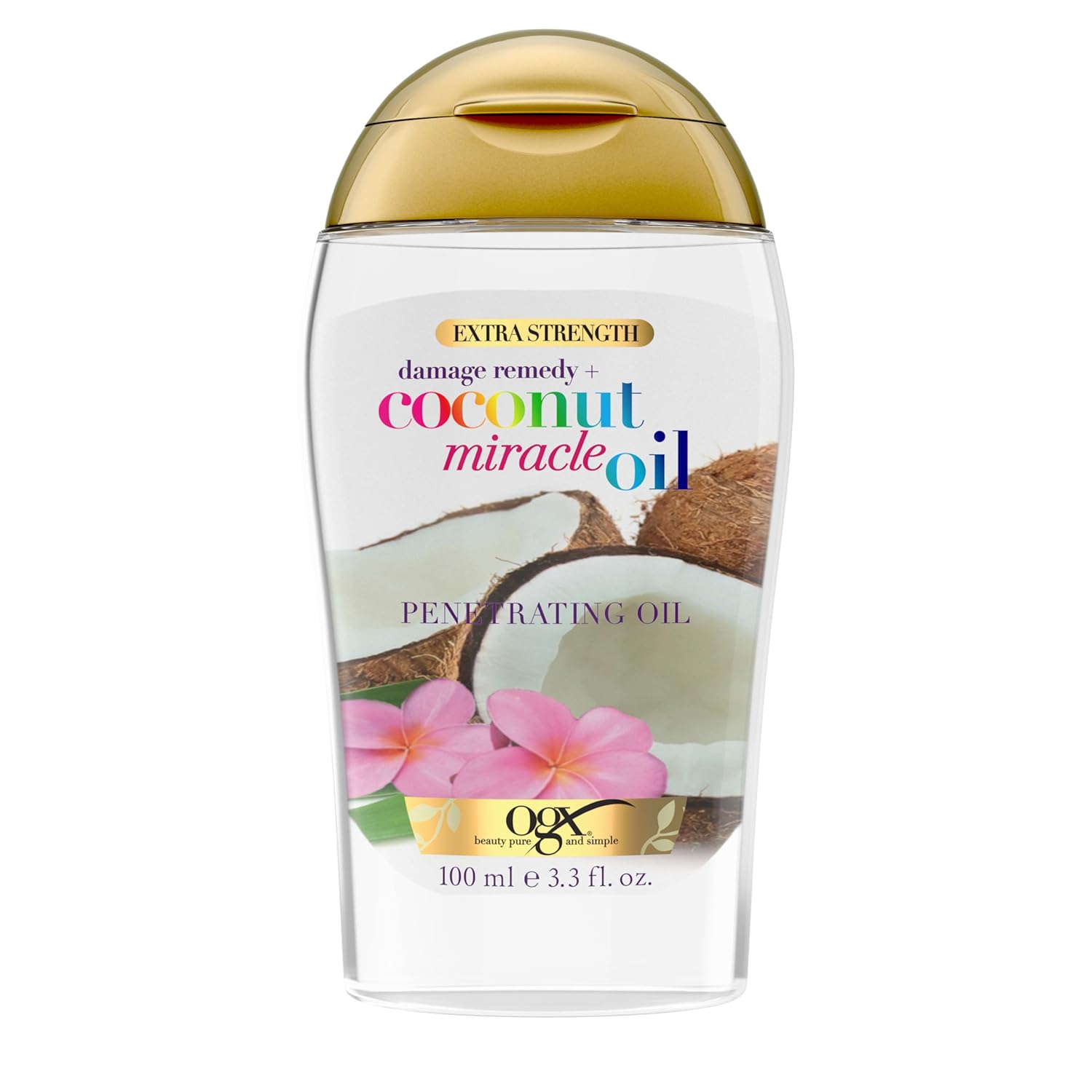
Coconut oil is extracted from dried flesh (copra) and stands out for its high MCT concentration. It's solid at room temperature (below 75°F) and liquid when heated.
Two main types of coconut oil:
Virgin or extra virgin coconut oil: Extracted by cold-pressing fresh flesh. Keeps all nutrients, antioxidants, and characteristic aroma. It's the healthiest option.
Refined coconut oil: Goes through refinement, bleaching, and deodorizing. Loses some nutrients but has a neutral flavor, useful when you don't want coconut taste in your dish.
Coconut oil can be used for cooking at high temperatures since it has a high smoke point (350°F). It also works as a butter or margarine substitute in baked recipes. For topical use, always choose virgin oil.
Coconut Flour: Gluten-Free Alternative
Coconut flour is made from dehydrated and ground flesh. Naturally gluten-free, it's become popular among people with celiac disease or following paleo diets.
Rich in fiber (about 40% of its weight is fiber), coconut flour absorbs lots of water. In recipes, you need less coconut flour than wheat flour and must add more liquid. The ratio is generally 1 cup wheat flour to 1/4 to 1/3 cup coconut flour.
The slightly sweet flavor of coconut flour works well in pancakes, cakes, cookies, and breads. It adds extra fiber to recipes and reduces their glycemic index.
Shredded Coconut and Coconut Chips
Shredded coconut (fresh or dried) is versatile for adding texture and flavor to many dishes. You can sprinkle it over yogurt, açai bowls, fruit salads, breakfast cereals, or use it in cake toppings.
Coconut chips are thin slices of flesh baked until crispy. They're a healthy snack when prepared without added sugar, offering that satisfying crunch with coconut's nutritional benefits.
For anyone seeking natural supplementation options, coconut in its various forms can complement your daily nutrition in a tasty and functional way. You might also explore quality whey protein to enhance your nutrition routine.
How to Add Coconut to Your Diet Without Overdoing It
Getting coconut's benefits without compromising your health goals is a matter of balance. Let's look at practical strategies for including coconut in your routine smartly.
Recommended Daily Amounts
Nutritionists recommend clear limits to avoid excess calories while maintaining benefits:
Dried coconut flesh: Maximum 1 oz per day (about 2 tablespoons). This amount provides fiber, healthy fats, and minerals without adding excessive calories.
Coconut water: Up to 25 oz per day (roughly 3 cups). Beyond that, excess potassium can cause discomfort like bloating or palpitations in sensitive people.
Coconut oil: 1 to 2 tablespoons per day is enough to get metabolic benefits without overloading saturated fat intake.
Practical Tips for Daily Life
Start small if you're new to coconut. Begin with 1 tablespoon of shredded coconut or 1 cup of coconut water and see how your body responds. Gradually increase as you get comfortable.
Choose fresh or minimally processed coconut whenever possible. Avoid commercial versions loaded with sugar, corn syrup, or preservatives. Read labels carefully—some coconut products have more sugar than actual coconut.
Combine coconut with proteins and fiber sources (plain yogurt, fruits, seeds) to boost satiety and slow sugar absorption. This combo keeps you fuller longer and prevents energy crashes.
Use coconut oil mainly in hot preparations, as it's more heat-stable than many vegetable oils. Its high smoke point (350°F) makes it perfect for sautéing and baking. For cold dishes like salad dressings, opt for healthier oils.
Here are some easy ways to add coconut to your day:
Breakfast: Sprinkle shredded coconut over oatmeal, Greek yogurt, or smoothie bowls. Add a tablespoon of coconut oil to your coffee for sustained energy (popular in keto circles as "bulletproof coffee").
Lunch: Use coconut milk in curry dishes, Thai soups, or creamy sauces. Replace regular milk with coconut milk in mashed potatoes or creamy pasta dishes.
Snacks: Keep a small container of coconut chips handy for when you need a crunchy snack. Mix dried coconut with nuts and dark chocolate for a homemade trail mix.
Dinner: Cook rice in coconut water for extra flavor and electrolytes. Use coconut oil for roasting vegetables or searing fish.
Post-workout: Drink fresh coconut water or blend it with fruit for a natural recovery drink. The electrolytes help with hydration, while natural sugars replenish glycogen stores.
Desserts: Use coconut flour in baking to add fiber and reduce the glycemic load. Make coconut whipped cream as a dairy-free topping.
Time your coconut consumption strategically. Eating coconut in the morning or before workouts maximizes the energy benefits of MCTs. The quick energy conversion can power your training session or kickstart your day.
Avoid eating large amounts of coconut late at night. While coconut doesn't contain caffeine, the energy boost from MCTs might make falling asleep harder for some people.
Keep track of your overall calorie intake when adding coconut. Since it's calorie-dense, you might need to reduce other fat sources in your diet to maintain balance. If you're working on muscle gain, factor coconut calories into your nutrition plan.
Hydrate well when increasing coconut fiber intake. The high fiber content requires adequate water to prevent constipation. Aim for at least 8 glasses of water daily. Consider a quality thermal bottle to keep water cold and accessible throughout the day.
Listen to your body. Some people digest coconut better than others. If you experience bloating, stomach upset, or diarrhea, you might be eating too much. Cut back and see if symptoms improve.
Rotate between different coconut forms to get a variety of nutrients. Don't just stick to coconut oil—mix in water, fresh meat, and flour throughout the week. This variety ensures you're getting the full spectrum of coconut's nutritional benefits.

Important Precautions and Contraindications
Despite being natural and nutritious, coconut isn't without concerns. Let's cover when you should be careful or avoid it.
When to Avoid or Reduce Consumption
High cholesterol or cardiovascular disease: Consumption should be moderate and monitored by a healthcare professional. While coconut may improve your lipid profile, some studies show concerns about saturated fat intake in people with existing heart conditions.
Kidney problems: Coconut water's high potassium content can be dangerous for folks with impaired kidney function. Your kidneys normally flush excess potassium, but damaged kidneys struggle with this, potentially leading to dangerous potassium levels in your blood.
Low-calorie diets: Both the flesh and oil are calorie-dense and might sabotage your calorie deficit. If you're trying to lose weight, be extra mindful of portions. Track your coconut intake in your food diary.
Oily or acne-prone skin: Coconut oil can be comedogenic (pore-clogging) for some folks. If you have acne-prone skin, do a patch test before applying coconut oil to your face. You might want to stick to lighter oils like jojoba or argan for facial moisturizing.
Nut allergies: While coconut is technically a fruit, some people with tree nut allergies may also react to coconut. If you have severe nut allergies, consult an allergist before trying coconut products.
Possible Effects of Excess
Overdoing coconut can cause several issues:
Weight gain: The most obvious effect of eating too much coconut. Each tablespoon of coconut oil packs about 120 calories—mostly from fat. Those calories add up fast if you're not careful.
Digestive discomfort: Too much coconut, especially the fiber-rich flesh, can cause bloating, gas, and cramping. The high-fat content might also trigger diarrhea in sensitive individuals.
Mild diarrhea: The MCTs in coconut oil can have a laxative effect, especially when you first start consuming it. This usually improves as your body adapts, but eating large amounts can keep causing problems.
Electrolyte imbalance: Drinking excessive coconut water (more than a quart daily) can throw off your sodium-potassium balance, leading to symptoms like weakness, irregular heartbeat, or muscle cramps.
Elevated LDL cholesterol: While coconut may raise HDL (good cholesterol), some studies show it can also increase LDL (bad cholesterol) in certain people. Those with high cholesterol should monitor their levels regularly.
Allergic reactions: Though rare, coconut allergies do exist. Symptoms range from mild itching to severe anaphylaxis. If you notice hives, swelling, difficulty breathing, or digestive issues after eating coconut, seek medical attention.
Like any nutritional strategy, moderation is key. Don't go overboard just because something is healthy. Balance and variety always win.
If you're managing any chronic health condition, talk to your doctor or a registered dietitian before significantly increasing coconut in your diet. They can help you determine safe amounts based on your specific health profile.
For folks on blood pressure medication, particularly potassium-sparing diuretics, coconut water's high potassium content requires extra caution. Too much potassium combined with these meds can be dangerous.
Pregnant and breastfeeding women can safely consume coconut in food amounts, but should avoid therapeutic doses of coconut oil supplements without medical guidance.
Frequently Asked Questions
What's the best way to eat coconut to maximize its health benefits?
Coconut water is perfect for hydration and replenishing electrolytes, especially after workouts. Fresh or dried coconut meat provides fiber and healthy fats that keep you feeling full. Coconut oil can be used in cooking moderately. The key is mixing up how you consume it to get different nutrients.
Does coconut actually help with weight loss?
Yes, when eaten in moderation. The fiber and medium-chain fats in coconut boost satiety and speed up metabolism, helping reduce hunger throughout the day. However, dried coconut is calorie-dense: about 3.5 oz has roughly 660 calories. The trick is portion control: 2 tablespoons daily is plenty. Combine coconut with effective workout routines for optimal results.
Is coconut water better than regular sports drinks?
Yes, for most people. Natural coconut water packs more potassium, calcium, and magnesium than manufactured sports drinks, without artificial colors or preservatives. It's an excellent choice for rehydration after moderate exercise, delivering natural electrolytes. However, for intense endurance activities lasting over an hour, traditional sports drinks might provide better sodium and carb replenishment.
Is coconut safe if I have high cholesterol?
It depends on moderation. Coconut contains lauric acid, a saturated fat that raises HDL (good cholesterol) and may improve your lipid profile. Studies show cardiovascular benefits with moderate consumption. People with heart issues should check with their doctor before eating it regularly. Your healthcare provider might recommend limiting saturated fat from all sources, including coconut.
How much coconut can I eat daily without health concerns?
Experts recommend up to 1 oz of dried coconut meat per day, about 2 tablespoons. For coconut water, up to 3 cups daily is safe. For coconut oil, 1 to 2 tablespoons is enough. Overdoing it can cause digestive discomfort and weight gain due to high calorie content. Start with smaller amounts and increase gradually.
Does coconut dry out skin or moisturize it?
It deeply moisturizes. Coconut oil has humectant properties that form a protective barrier on skin, preventing water loss. It's loaded with vitamin E and lauric acid, which nourish and soften skin. However, on oily or acne-prone skin, it might clog pores. Do a patch test first. Apply a small amount to your inner forearm and wait 24 hours to check for reactions.
What's the difference between young coconut and mature coconut?
Young coconut (still immature) is rich in water and has jelly-like flesh with fewer calories. Mature coconut (fully ripe) has firm white flesh, packed with healthy fats and fiber, but is more calorie-dense. Young is ideal for hydration, while mature provides more concentrated nutrients and energy. Both have their place in a healthy diet—choose based on your goals.

Conclusion
Coconut truly is a versatile and functional superfood, capable of providing hydration, energy, satiety, and support for metabolic, digestive, and even skin health. Its richness in medium-chain fats, fiber, and minerals makes it an excellent ally when consumed correctly.
However, like any calorie-dense food, it requires mindful and balanced consumption. Adding coconut to your diet doesn't mean going overboard, but rather using small amounts strategically, respecting your lifestyle and health goals.
Whether it's refreshing water, nutritious flesh, or functional oil, coconut can—and should—be part of a healthy, natural, and sustainable diet when used intelligently. If you're looking to enhance your overall wellness, consider exploring healthy recipe books that incorporate coconut and other superfoods.
Remember: the best diet is one you can stick with long-term. Coconut offers fantastic benefits, but it's just one piece of the nutrition puzzle. Combine it with other nutrient-dense foods, stay active with exercises suited to your age, prioritize quality sleep, and you'll be on the path to optimal health.
Start small, experiment with different forms, and find what works best for your body and taste preferences. Your tropical superfood journey begins now!