How to Lose Weight: Your Complete Guide to Healthy Results
Discover proven strategies for healthy weight loss. Science-based tips, practical advice, and everything you need for real change.
Trying to lose weight but feeling frustrated with all the conflicting advice out there? You're not alone—millions of Americans struggle with this same challenge every single day.
The truth is, most people confuse losing weight with actually getting lean. This one misunderstanding could be why you've tried before and couldn't keep the results off.
In this guide, I'll share everything you need to know about healthy weight loss based on actual science, not fad diets or magic pills. You'll discover how your body really works and how to work with it instead of against it.
By the end, you'll have a clear, practical roadmap to start your journey safely and sustainably—avoiding the mistakes that make most people quit halfway through.

Summary
- Understanding Real Weight Loss
- Can You Lose Weight Quickly And Safely
- Why Belly Fat Matters Most
- Creating Your Caloric Deficit
- Smart Nutrition Strategies
- Exercise That Actually Works
- Hidden Factors Affecting Results
- When To Get Professional Help
- Practical Tips You Can Start Today
- Common Myths Debunked
- Frequently Asked Questions
- Conclusion
Understanding Real Weight Loss
Here's what most people get wrong: they think weight loss is just about seeing a lower number on the scale. But that's only part of the story, and focusing on it alone can actually hurt your progress.
Real weight loss means reducing your body fat percentage while keeping your hard-earned muscle. When you just chase scale numbers, you might be losing water weight, muscle tissue, and only a little fat.
The difference matters because muscle is what keeps your metabolism running hot. Lose too much muscle and you'll find it harder to keep weight off long-term.

Why Muscle Matters More Than You Think
Your muscle mass is like your body's engine. The bigger the engine, the more fuel it burns even when you're just sitting around. When you lose muscle along with fat, you're essentially shrinking your calorie-burning engine.
This leads to something called sarcopenic obesity—having too much fat but not enough muscle. It's a dangerous combination that causes weakness, fatigue, and makes future weight loss nearly impossible.
To track your progress correctly, don't just watch the scale. Pay attention to how your clothes fit, your energy levels, and take body measurements. A strategic low-carb approach can help you lose fat while protecting your muscle.
Can You Lose Weight Quickly And Safely
Everyone wants fast results. But here's the truth: whether you can lose weight quickly depends on where you're starting from and what you mean by "quick."
If you have significant weight to lose, you'll likely see faster initial progress. Your body releases a lot of stored water in the first week or two. It's normal to drop 4-6 pounds during this phase.
But after that initial whoosh, healthy weight loss settles into a steadier pace of 1-2 pounds per week. This might sound slow, but it adds up to real, lasting change.
The Problem With Crash Diets
Those programs promising 20 pounds in a month? They're setting you up for failure. Extreme restriction causes your body to hold onto fat and burn muscle instead.
You'll also deal with constant hunger, low energy, and missing nutrients your body needs. Worst of all, when you inevitably go back to normal eating, the weight comes rushing back—usually with extra pounds on top.
What Actually Works Long-Term
Sustainable weight loss isn't sexy, but it works. Losing just one pound per week means 52 pounds in a year. That's a complete transformation that your body can actually maintain.
The key is building habits you can stick with forever, not suffering through temporary restrictions. If you want guidance backed by real science, quality nutrition books provide proven frameworks without the gimmicks.
Why Belly Fat Matters Most
Belly fat isn't just about how you look in a swimsuit. It's one of the biggest threats to your long-term health, and here's why.
The fat around your midsection is called visceral fat. Unlike the fat under your skin, visceral fat wraps around your internal organs and actively harms your health.

The Real Risks You're Facing
Having excess belly fat dramatically increases your risk of serious health problems. We're talking about heart attacks, strokes, and type 2 diabetes.
This fat releases inflammatory compounds that damage your blood vessels and make your cells resistant to insulin. It's like having a toxic factory running 24/7 inside your body.
You're also at higher risk for fatty liver disease, high blood pressure, and abnormal cholesterol levels. These conditions often develop silently until they cause major problems.
How To Know If You're At Risk
Grab a tape measure and check your waist circumference. For men, anything over 37 inches signals increased risk. For women, the danger zone starts at 31.5 inches.
The good news? Belly fat responds really well to the right combination of diet and exercise. You don't need crazy workouts or starvation diets—just consistent, smart choices.
Certain foods can help accelerate belly fat loss when combined with regular activity. Quality supplements can support this process by reducing inflammation and improving how your body metabolizes fat.
Creating Your Caloric Deficit
Let me give you the foundation that everything else builds on: you'll only lose fat when you're in a caloric deficit. Period.
This means eating fewer calories than your body burns each day. It's simple physics—your body has to pull energy from somewhere, and that somewhere is your fat stores.
Finding Your Sweet Spot
The ideal deficit sits between 300-500 calories per day. Go smaller and progress slows to a crawl. Go bigger and you risk muscle loss, metabolic slowdown, and constant hunger.
You can create this deficit three ways. First, eat less. Second, move more. Third, combine both strategies for the best results.
Here's what works: increase your protein intake since it actually speeds up your metabolism. Fill up on low-calorie, nutrient-dense foods. Mix cardio with strength training to burn calories while building muscle.

Avoid This Common Mistake
Don't create a massive deficit thinking you'll lose weight faster. Your body is smarter than that. It'll just slow down your metabolism to match the lower calorie intake.
Then you're stuck eating very little just to maintain your weight. This is why crash dieters always regain everything—and then some—when they start eating normally again.
Find a deficit you can maintain without feeling starved or exhausted. Understanding how carbohydrates work helps you make smarter food choices that keep you satisfied.
Smart Nutrition Strategies
Your diet determines about 70% of your weight loss success. You can exercise every single day, but if your nutrition is off, the results just won't show up.
Let me break down what actually works, based on science and real-world results.
Foods That Speed Up Fat Loss
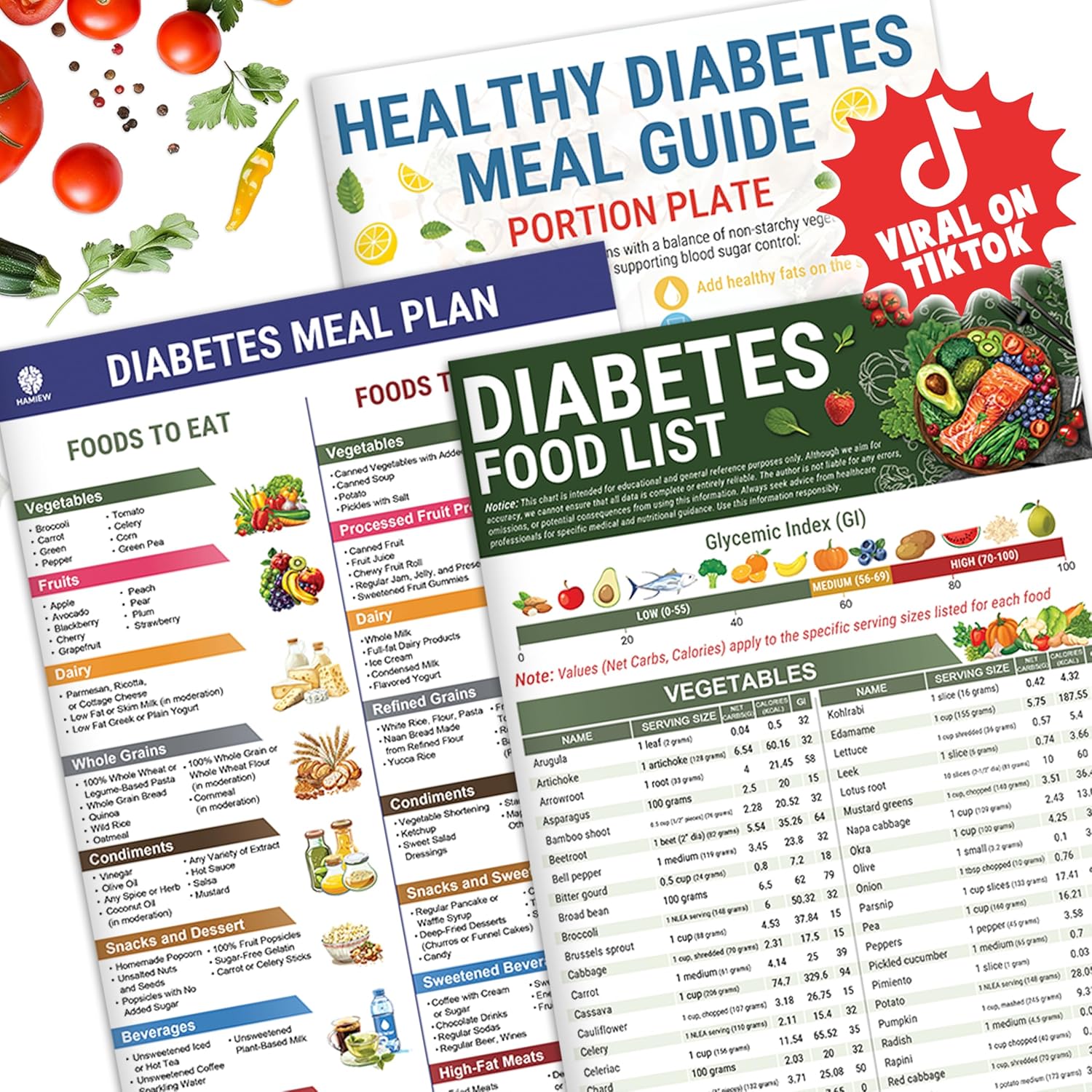
Lean proteins like chicken breast, fish, eggs, and legumes are your secret weapon. Your body burns more calories just digesting protein than it does with carbs or fats.
Fiber-rich foods including vegetables, fruits, and whole grains keep you full longer and stabilize your blood sugar. No more energy crashes or desperate snacking.
Healthy fats from sources like avocados, nuts, and olive oil help you absorb vitamins and control hunger between meals. Don't fear fat—just choose the right kinds.
What To Cut Out First
Ultra-processed foods are killing your progress. Sodas, chips, cookies, and packaged snacks are loaded with calories but leave you hungry an hour later.
Refined sugars spike your blood sugar and trigger cravings. Fried foods and fast food pack in massive calories without any real nutrition.
And here's a tough one: alcohol is basically liquid calories that do nothing for your satiety. Those beers or wine glasses are sabotaging your deficit.
Eating Strategies That Work
Slow down at meals. Your brain needs 20 minutes to register fullness, so eating fast makes you overeat before you realize it.
Start every meal with vegetables or salad. The fiber fills you up with minimal calories, leaving less room for calorie-dense foods.
Eat at regular times each day. Skipping meals messes with your hunger hormones and often leads to overeating later when you're starving.
For deeper knowledge about strategic eating, comprehensive diet guides explain how different approaches work and which might fit your lifestyle best.
Exercise That Actually Works
If nutrition is 70% of the equation, exercise is the 30% that makes everything come together. But not all exercise is created equal for fat loss.
The winning combination includes both cardio and strength training. Each serves a different but equally important purpose.
Cardio For Burning Calories
Cardiovascular exercise creates your caloric deficit and improves your overall fitness. The most effective options are activities you can actually stick with consistently.
High-intensity interval training (HIIT) burns calories during the workout and continues burning them for hours afterward. It's incredibly time-efficient.
Running works for most people and requires zero equipment. Start where you are and gradually build up your distance and speed.
Swimming gives you a full-body workout while being gentle on your joints. Perfect if you have knee or back issues.
Cycling offers great cardio benefits and can be done outdoors or on a stationary bike at home.
Why Strength Training Is Non-Negotiable
Here's the game-changer: muscle tissue burns calories 24/7, even while you're sleeping. The more muscle you have, the higher your metabolism runs all day long.
Strength training also preserves your muscle mass while you're losing weight. Without it, you'll lose both fat and muscle, leaving you weaker and with a slower metabolism.
You'll also get the afterburn effect called EPOC, where your body continues burning extra calories for hours after your workout ends.
Your Weekly Training Blueprint
Aim for at least 150 minutes of activity per week. Break it down like this: 3-4 strength training sessions, 2-3 cardio sessions, and 1-2 active recovery days with walking or stretching.
Home workout programs are perfect if you're just starting out or have limited time. No gym membership required.
Setting up a home gym with quality equipment like basic gym gear or a reliable home treadmill makes consistency much easier when you don't have to leave the house.

Hidden Factors Affecting Results
Beyond diet and exercise, several other factors can either accelerate your progress or completely derail it. Understanding these is crucial for optimizing your results.
Sleep Is Your Secret Weapon
Poor sleep literally makes you gain weight. During quality sleep, your body produces hormones essential for fat loss.
Growth hormone burns fat and preserves muscle. Leptin signals when you're full. And proper sleep keeps ghrelin—your hunger hormone—in check.
People who sleep less than 7 hours per night have significantly higher obesity rates. Improving your sleep quality might be the missing piece you've been searching for.
Stress Sabotages Everything
Chronic stress elevates cortisol, a hormone that promotes fat storage around your midsection. It also triggers cravings for sugary, high-calorie comfort foods.
High cortisol slows your metabolism and interferes with quality sleep, creating a vicious cycle that makes weight loss nearly impossible.
Hydration Matters More Than You Think
Drinking enough water speeds up your metabolism by up to 30%. It also reduces water retention, improves digestion, and helps control appetite.
Often when you think you're hungry, you're actually just thirsty. Your brain can confuse these signals.
Aim for 0.5-1 ounce of water per pound of body weight daily. For a 150-pound person, that's 75-150 ounces spread throughout the day.
Hormonal Issues Can Block Progress
Sometimes weight loss stalls because of underlying hormonal imbalances. Hypothyroidism slows your metabolism to a crawl. Insulin resistance makes your body store everything as fat.
Vitamin D deficiency is linked to weight gain and difficulty losing fat. Sex hormone imbalances affect where your body stores fat and how easily you can lose it.
Managing stress through practices like meditation can dramatically improve your hormonal balance and accelerate your results by lowering cortisol and improving sleep.
When To Get Professional Help
Most people can make progress on their own, but there are situations where professional guidance becomes essential for both success and safety.
Signs You Need Expert Support
If you're carrying more than 30% above your ideal weight, the health risks are significant enough to warrant professional oversight.
Existing conditions like diabetes, high blood pressure, or heart problems require medical supervision during weight loss to adjust medications and monitor your health.
A history of eating disorders means you need specialized care to lose weight in a psychologically healthy way.
Multiple failed attempts suggest there might be underlying factors you haven't identified—hormonal issues, metabolic problems, or psychological barriers.

Who Can Help You Succeed
Registered Dietitians create personalized meal plans based on your specific needs and teach you sustainable eating habits you can maintain forever.
Endocrinologists investigate hormonal imbalances and can prescribe medications when lifestyle changes alone aren't enough.
Personal Trainers design exercise programs appropriate for your current fitness level and specific goals, reducing injury risk.
Therapists help with emotional eating patterns and the psychological aspects of changing deeply ingrained habits.
Medical Procedures For Severe Cases
When dealing with grade II or III obesity, medical procedures might be appropriate options to discuss with your doctor.
Intragastric balloons temporarily reduce stomach volume. Endoscopic procedures offer less invasive alternatives to surgery. Bariatric surgery remains an option for severe cases with medical indication.
The important thing is recognizing that seeking help isn't weakness—it's intelligence. The right professional can save you years of frustration and help you avoid costly mistakes.
Practical Tips You Can Start Today
Now that you understand the fundamentals, here are practical strategies you can implement immediately to accelerate your progress.
Smart Eating Habits
Chew slowly and put away all distractions. Eating in front of the TV or phone makes you consume way more calories without realizing it.
Use smaller plates and bowls. Your brain judges portion sizes relative to the plate, so smaller dishes make normal portions look more satisfying.
Start every meal with vegetables or salad. The fiber fills you up first, leaving less room for calorie-dense foods that follow.
Drink a full glass of water 30 minutes before eating. This simple trick can reduce your calorie intake by making you feel fuller sooner.
Skip caloric beverages entirely. Sodas, juices, and alcoholic drinks are liquid calories that don't satisfy hunger like solid food does.
Movement Strategies
Find physical activities you genuinely enjoy. If you hate running, don't run. Try dancing, hiking, swimming, or sports instead.
Start with just 15 minutes daily rather than overwhelming yourself with unrealistic two-hour workout plans you'll never maintain.
Take the stairs whenever possible. Park farther away from store entrances. Get off the bus one stop early. These micro-movements add up significantly.

Lifestyle Adjustments
Prioritize getting 7-9 hours of quality sleep every night. Understanding your sleep cycles helps you optimize your rest for better fat loss.
Manage your stress levels actively through meditation, deep breathing exercises, or yoga practice.
Keep a detailed food journal. Writing down everything you eat increases awareness about your actual habits versus what you think you're doing.
Plan your meals in advance. Having a clear plan eliminates impulsive, unhealthy choices when you're tired and hungry.
Build social support by sharing your goals with family and friends who'll encourage you rather than sabotage your efforts.
Celebrate small victories along the way. Progress isn't just about the scale—recognize improvements in energy, mood, strength, and how your clothes fit.
Strategic Supplementation
Quality supplements can help fill nutritional gaps and support your body's fat-burning processes when used alongside proper diet and exercise.
Protein powders make hitting your daily protein targets easier without excessive calories. Multivitamins ensure you're not developing deficiencies that could slow progress.
Common Myths Debunked
Let's clear up the biggest misconceptions that might be holding you back from real results.
Myths That Need To Die
"Carbs make you fat" is flat-out false. Carbohydrates are essential for energy and brain function. The problem is eating too many of the wrong types, not carbs themselves.
"Fasted exercise burns more fat" is partially true but misleading. Yes, you burn more fat during fasted cardio, but you might also burn muscle and your overall performance suffers.
"Light products always help" is another myth. Many reduced-fat products compensate by adding sugar, sometimes ending up with equal or more calories.
"My slow metabolism prevents weight loss" is rarely true. Metabolism can be improved through building muscle and staying active.
Important Truths To Remember
Sustainable weight loss happens slowly at 1-2 pounds per week. Anything promising faster results is likely causing muscle loss along with fat.
Both aerobic exercise and strength training are important for different reasons. Understanding how they complement each other helps you design better workouts.
Genetics influence your weight loss journey but don't determine your results. You can work with your genetic tendencies, not fight against them hopelessly.
Weight loss isn't linear. You'll have weeks where the scale doesn't move despite doing everything right. That's completely normal, not failure.

Frequently Asked Questions
How much weight can I safely lose per week?
The ideal is 1-2 pounds per week. This pace preserves muscle mass and allows your body to adapt, making results more sustainable long-term.
Do I need to exercise to lose weight?
While diet is crucial, exercise accelerates results and helps preserve muscle mass. Combining both strategies gives you the best outcomes and long-term success.
Why is belly fat so dangerous?
Visceral belly fat surrounds your organs and increases risks of heart disease, diabetes, and inflammation. It's not just cosmetic—it's a serious health concern.
Can I lose weight without feeling hungry all the time?
Yes! Focus on high-protein foods, fiber-rich vegetables, and proper meal timing. These strategies keep you satisfied while creating the caloric deficit needed for fat loss.
How important is sleep for weight loss?
Sleep is critical. Poor sleep disrupts hunger hormones, increases cravings, and slows metabolism. Aim for 7-9 hours nightly to optimize your weight loss results.

Conclusion
Losing weight in a healthy, sustainable way isn't about magic pills or extreme restrictions. It's about understanding how your body actually works and creating habits you can maintain for life.
Your transformation starts with the first step you take today. Whether that's drinking more water, taking a 15-minute walk, or planning tomorrow's meals, just begin. Keep learning through resources like workout nutrition guides and natural food recommendations.
For those ready to dive deeper, comprehensive nutrition guides provide additional tools to accelerate your results safely and effectively. Your health and wellbeing are worth every bit of effort you invest.